
The complete guide
How to Choose an Alpaca Blend Throw That You Will Actually Use
The problem with most throws
Walk into any homewares shop and you will find a wall of throws. Most of them fall down in the same places. The cheap acrylic ones look fine for a month, then go shiny and flat where people sit. The heavy wool ones are genuinely warm but so dense that you kick them off halfway through a film. The very fine ones drape beautifully and do almost nothing once the temperature drops.
What most people actually want is narrower than it sounds. A throw that is warm enough to matter on a cold evening, light enough that you forget you are under it, good looking enough to leave out, and tough enough to survive a household. That combination is hard to hit with one fibre on its own, which is exactly why blends exist.
What alpaca brings to the mix
Alpaca fibre has a structure that holds pockets of air, and air is what keeps you warm. That is the whole trick behind insulation, whether it is in a jacket or a blanket. Because alpaca does this efficiently, you can get real warmth out of a relatively thin, light fabric. You are not relying on sheer bulk.
The fibre also tends to be smoother to the touch than many coarser sheep wools, which is why people who find traditional wool blankets scratchy often get on better with alpaca. And like most natural animal fibres, it breathes. Heat and moisture can move through the fabric instead of building up, so you do not get that sticky, overheated feeling that synthetic fleece sometimes gives after an hour.
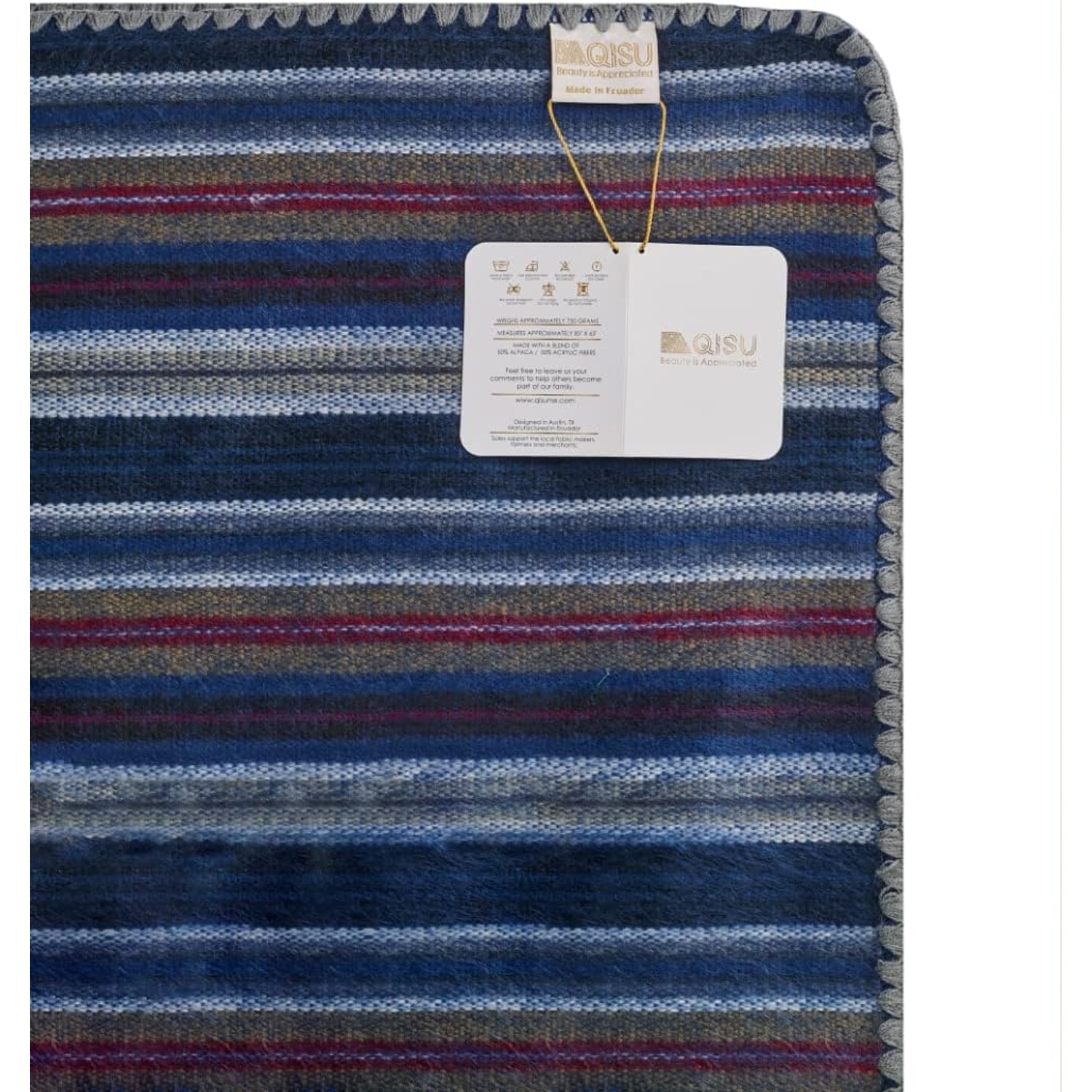
This throw contains 50% alpaca wool. That is the half doing the warmth and softness work.
What acrylic brings, and why that is not a bad word
Acrylic has a reputation problem, mostly earned by very cheap fabrics. In a considered blend it does real work. It adds structure, so the piece holds its shape instead of stretching out at the corners. It resists abrasion, which matters on an armrest or under a laptop. It dries faster and handles washing far better than pure animal fibre. And it brings the price down to something you can justify for a piece that is going to get daily, unglamorous use.
The honest way to think about a 50/50 blend is as a compromise with a purpose. You trade a little of the pure fibre's loft and prestige for a throw you can throw around. For most households, that is the right trade. If you want a pure alpaca heirloom piece to keep on a chair and admire, that is a different purchase with different care demands.
Reading the colour
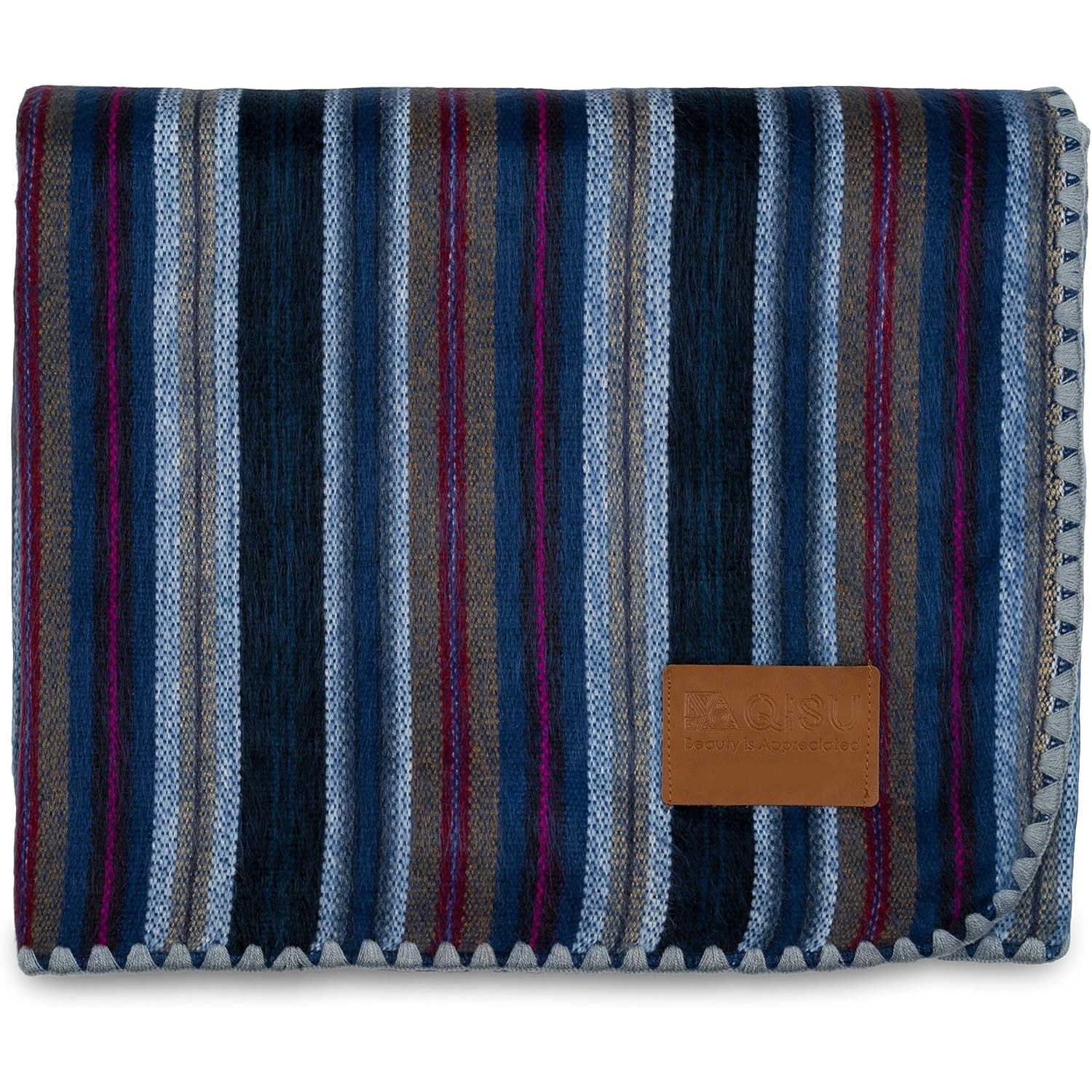
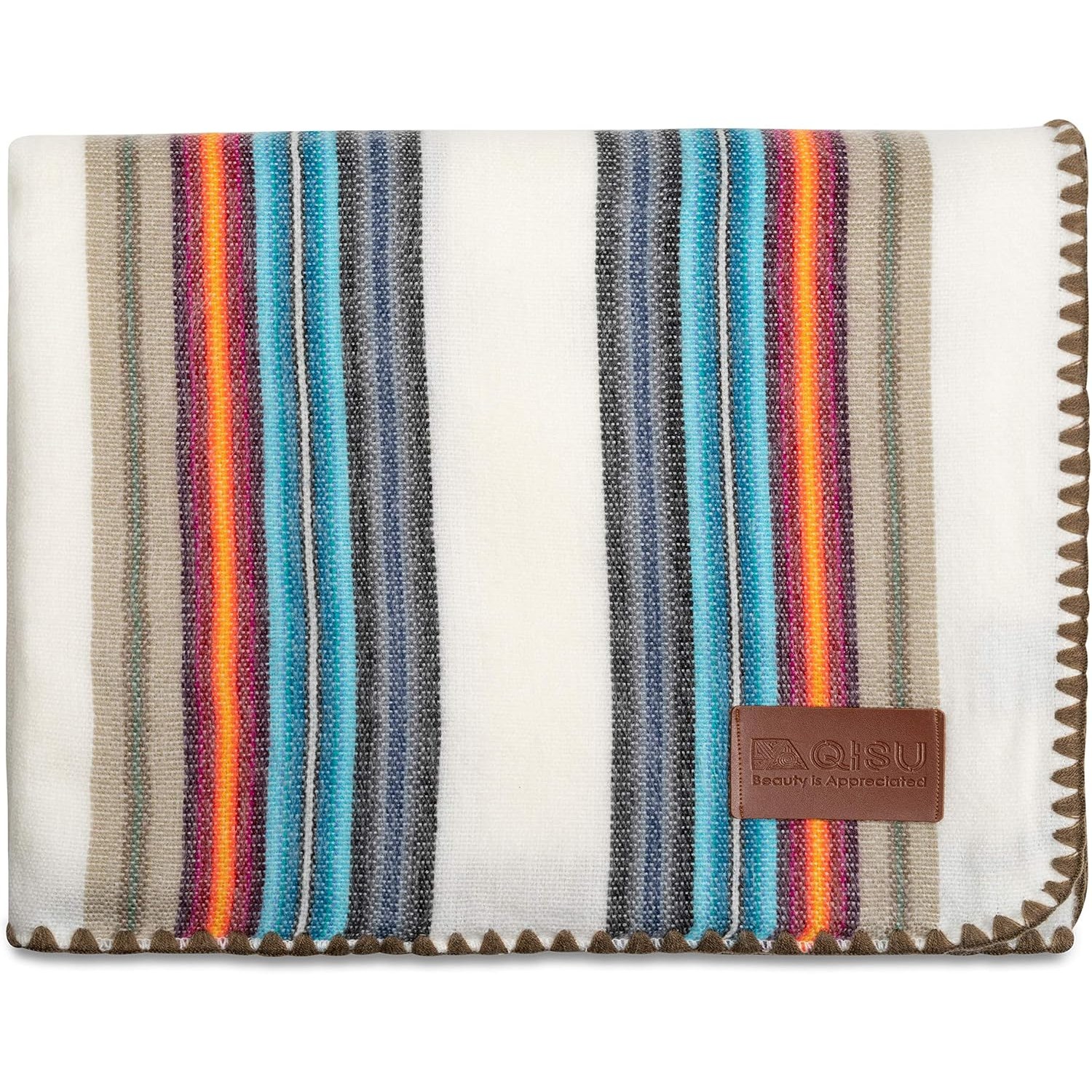
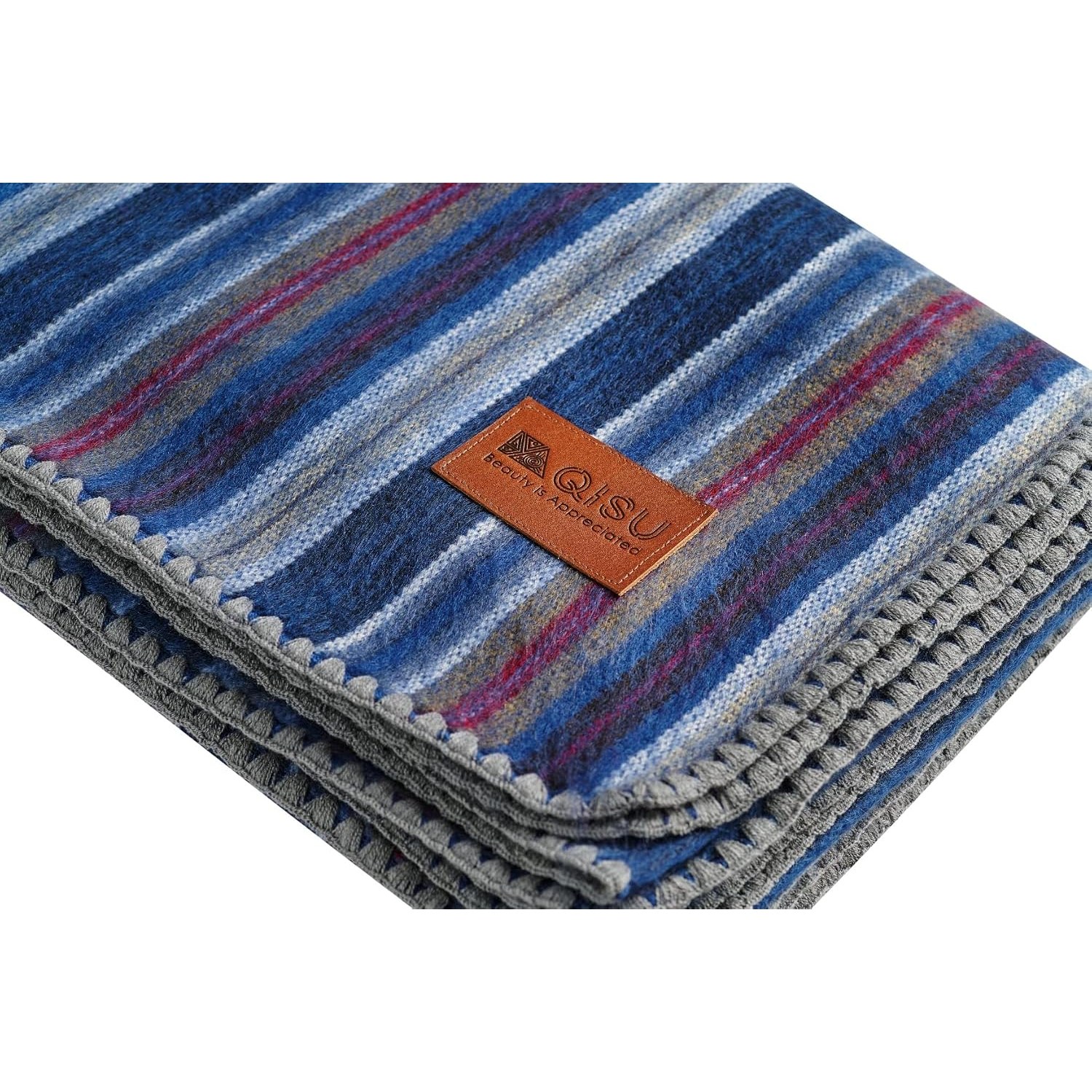
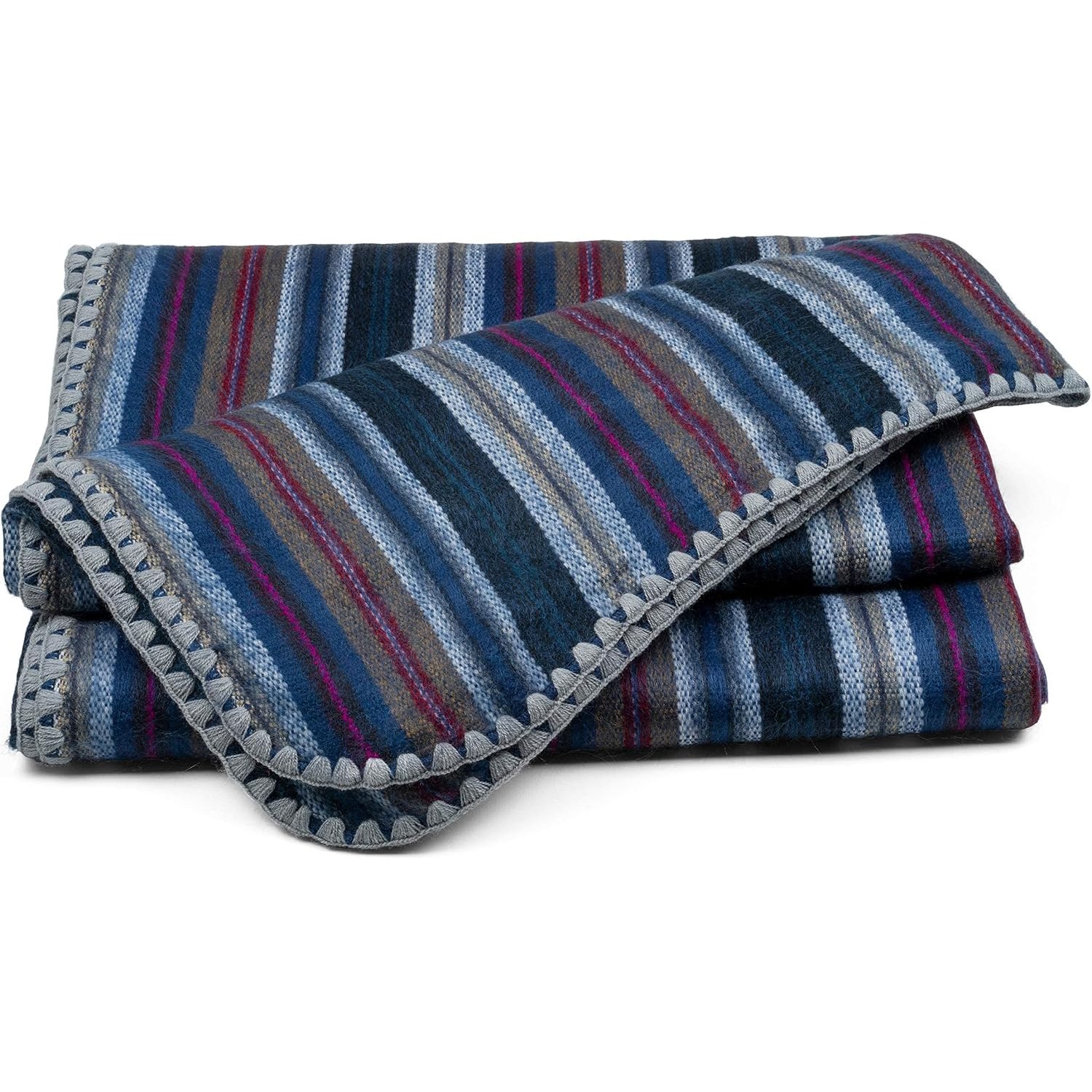
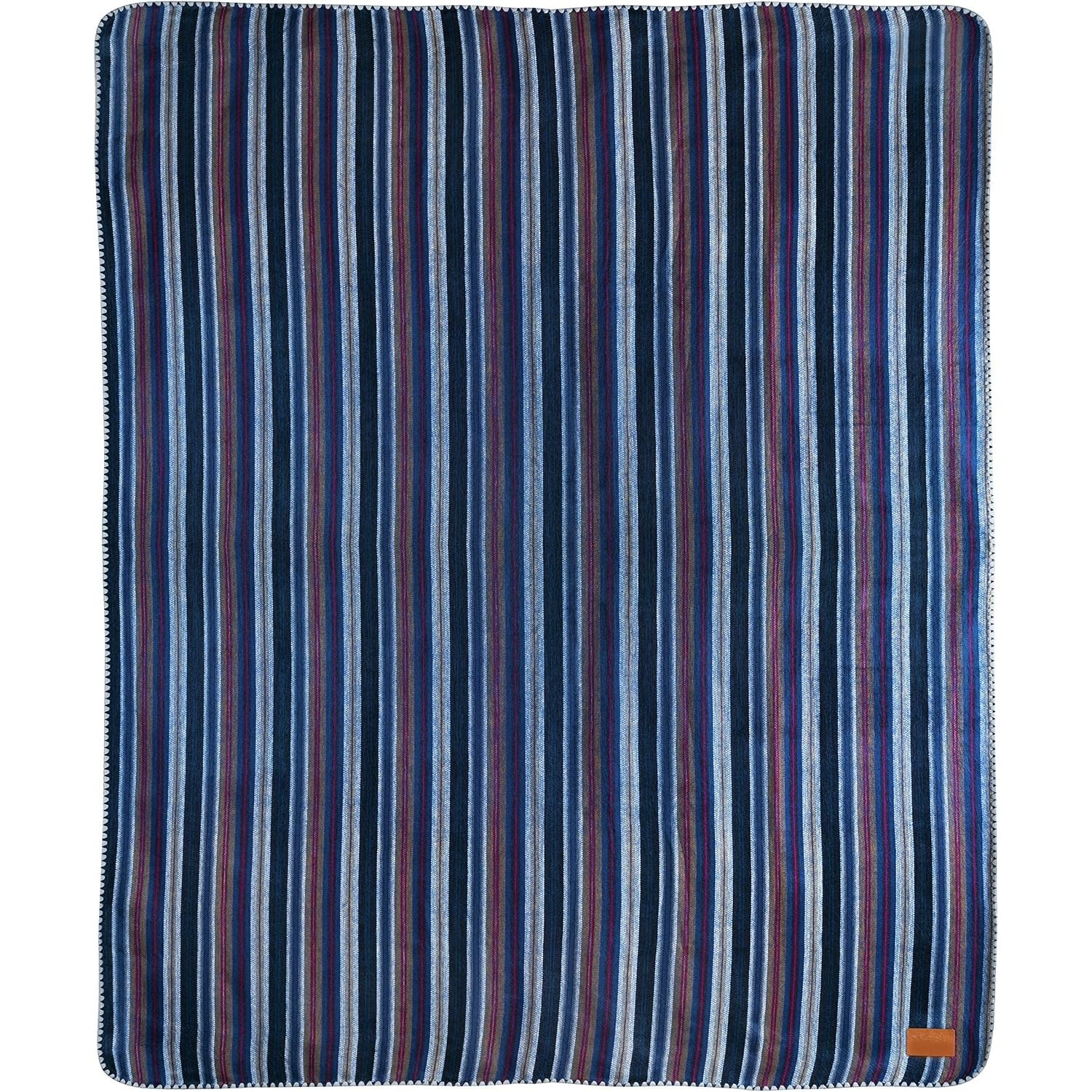
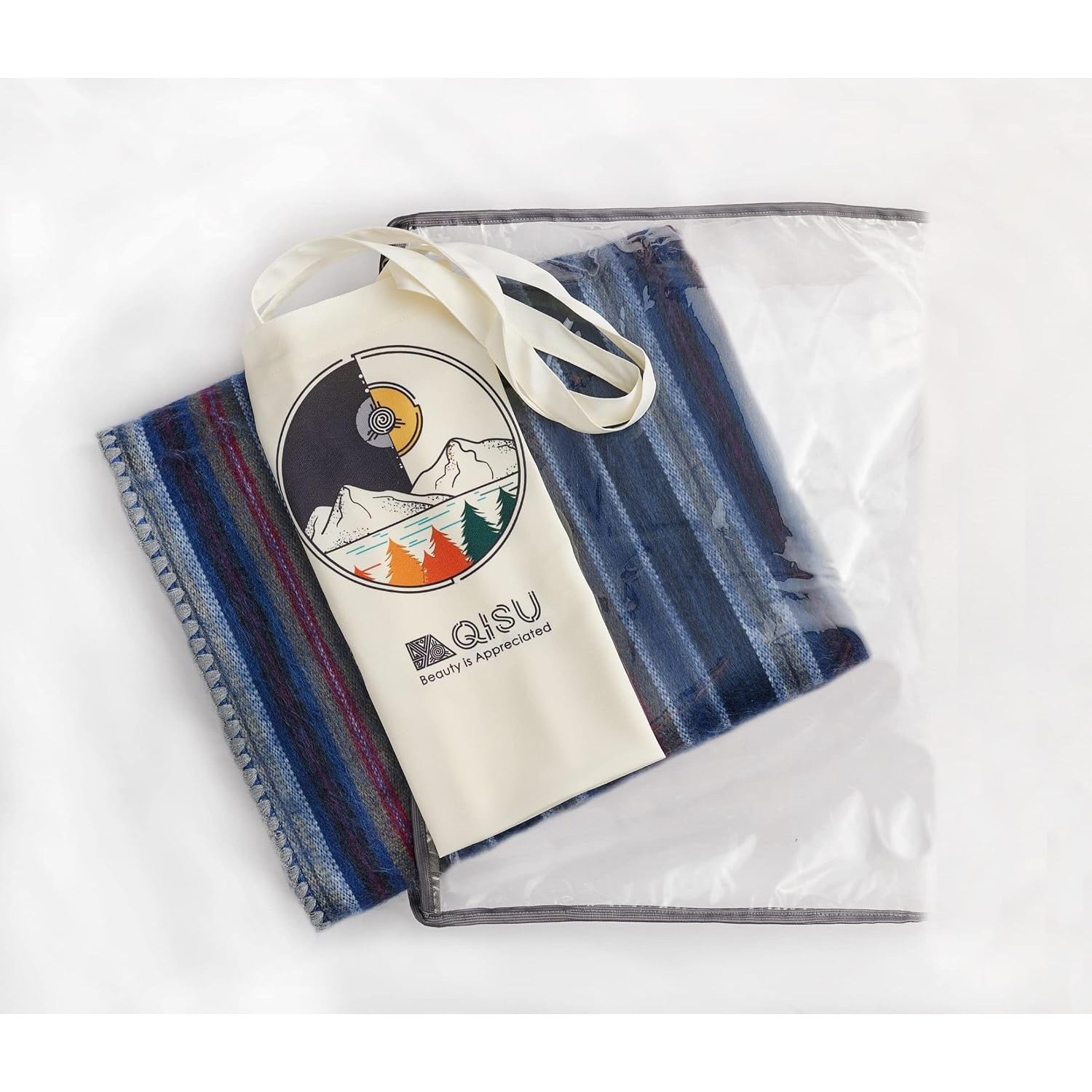
Variegated means the colour shifts in tone across the yarn rather than sitting as one flat shade. In practice you get a surface with depth, a bit of movement in the light, and the look of something made rather than printed.
There is a practical advantage to this too. Solid pale throws show every crease, crumb and coffee splash. A variegated surface is far more forgiving. Small marks disappear into the pattern and the fabric looks lived in rather than grubby. If you have kids, dogs or a habit of eating on the sofa, a colourful wool throw with tonal variation will stay looking good longer than a flat cream one.
One thing to expect. Because the colour moves, no two areas of the throw look identical, and photos can only show you part of the story. Judge the character of the colour rather than hunting for an exact pixel match.
Who this suits
If you run a cold house in winter and want one layer that does a lot of work, this is a sensible pick. It gives you warmth without weight, which is particularly useful for anyone who dislikes heavy bedding pressing down.
It suits people who want their throw out on display rather than hidden in a cupboard. The variegated finish reads as a deliberate choice rather than a spare blanket.
It suits travellers and campers. A lightweight wool throw that packs reasonably small earns its place in a car boot.
It is less suited to someone who specifically wants pure alpaca for its own sake, or someone who needs a precise size to cover a particular bed. We do not have finished dimensions in this record, so if measurements are the deciding factor, ask us first.
How to choose between throws
Start with where it will live. A throw that spends its life over a chair back can be more delicate than one that gets pulled onto the floor by a toddler. Blends favour the second scenario.
Then think about weight preference. Some people want a throw they can feel on them. Others want warmth without pressure. Alpaca blends land on the lighter side of the warmth to weight scale, so if you specifically like heavy blankets, you may prefer something denser.
Next, consider washing. Be realistic. If you know you will never hand wash anything, you want something that tolerates a delicate machine cycle. This blend does. A pure alpaca piece is less forgiving.
Finally, look at the colour in the context of your room, not in isolation. Hold the images against your sofa fabric and your curtains. A tonal throw that picks up one colour already in the room will look intentional. One that fights everything will end up folded in a cupboard.
Looking after it
The care routine is not complicated, but it does matter.
Wash by hand or on a delicate machine cycle in cool water, using a detergent made for wool. Hot water and strong agitation are what cause shrinking and felting in natural fibres, so avoid both. Skip bleach entirely and leave the fabric softener out, since it coats the fibres and dulls the handle.
Do not wring it. Press the water out gently, lay the throw flat on a dry towel, reshape it while damp and let it air dry away from direct sun or a heater. Tumble drying is the fastest way to ruin the texture.
Between washes, airing does most of the work. Wool blends resist odour well, so a few hours outside on a dry, shaded day will freshen the throw without putting it through a cycle. Treat spills as they happen, blotting with a clean cloth rather than rubbing, and work inward from the edge of the mark.
Expect a little shedding at first. That is normal with new blend knits and usually settles after the first gentle wash. If small pills form where the fabric rubs, a fabric comb clears them in a couple of minutes.
For summer storage, make sure the throw is clean and bone dry, fold it, and put it in a breathable cotton bag rather than sealed plastic. Moths go for dirty, damp natural fibre left in still air, so clean storage and a bit of ventilation handle most of the risk.
The short version
This is a 50% alpaca wool and 50% acrylic throw, stated plainly because the difference between a blend and pure alpaca is worth knowing before you buy. The alpaca gives you breathable warmth at low weight. The acrylic gives you a fabric that survives real life and washes without drama. The variegated colour adds depth and hides the small marks that come with daily use.
Dimensions, weight and colourway are not listed in this record, and we are not going to invent them. If any of those details will decide your purchase, message us and we will confirm what is on the current stock before you commit.