Quiet Luxury Company
Company
Shop By Category
T&Cs
Shop Online
  • Clear materials and product specifications
  • Free tracked NZ-wide delivery over $175
  • 14-day returns

Baby Alpaca Throw Blanket | Undyed Pure Alpaca Wool Blanket | Wool Throws

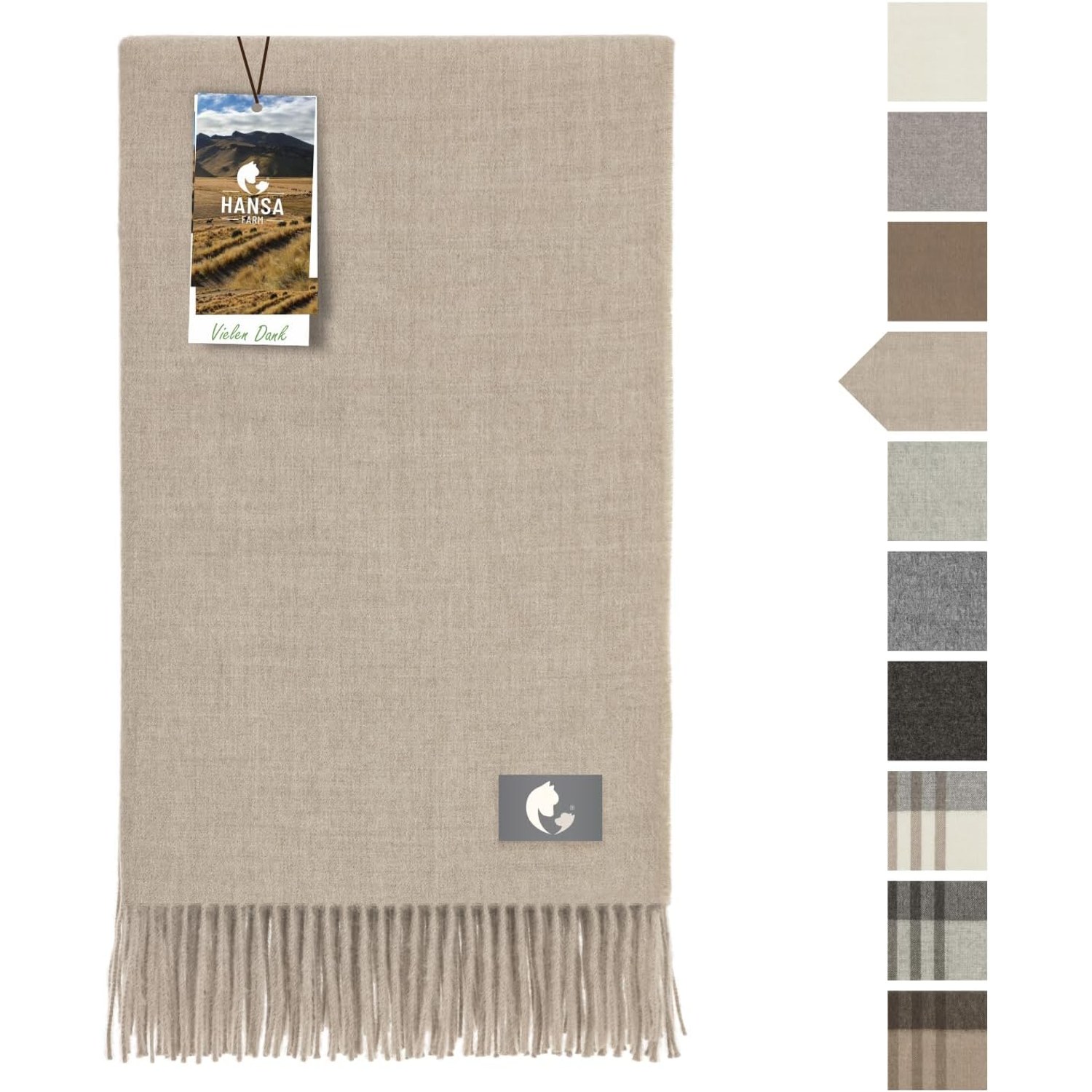
Baby Alpaca Throw Blanket 200 x 130 cm

$807.99 $969.99 Save $162
  • Light But Warm
  • Undyed Alpaca Wool
  • Generous 200 x 130 cm
  • Soft Handle

Price: $807.99 $969.99

  • Free tracked NZ-wide delivery on orders $175+, otherwise a flat $20
  • Pay by card or PayPal, handled by the payment provider
  • 14 days to change your mind, plus your statutory rights
Product specifications
Product TypeThrow blanket
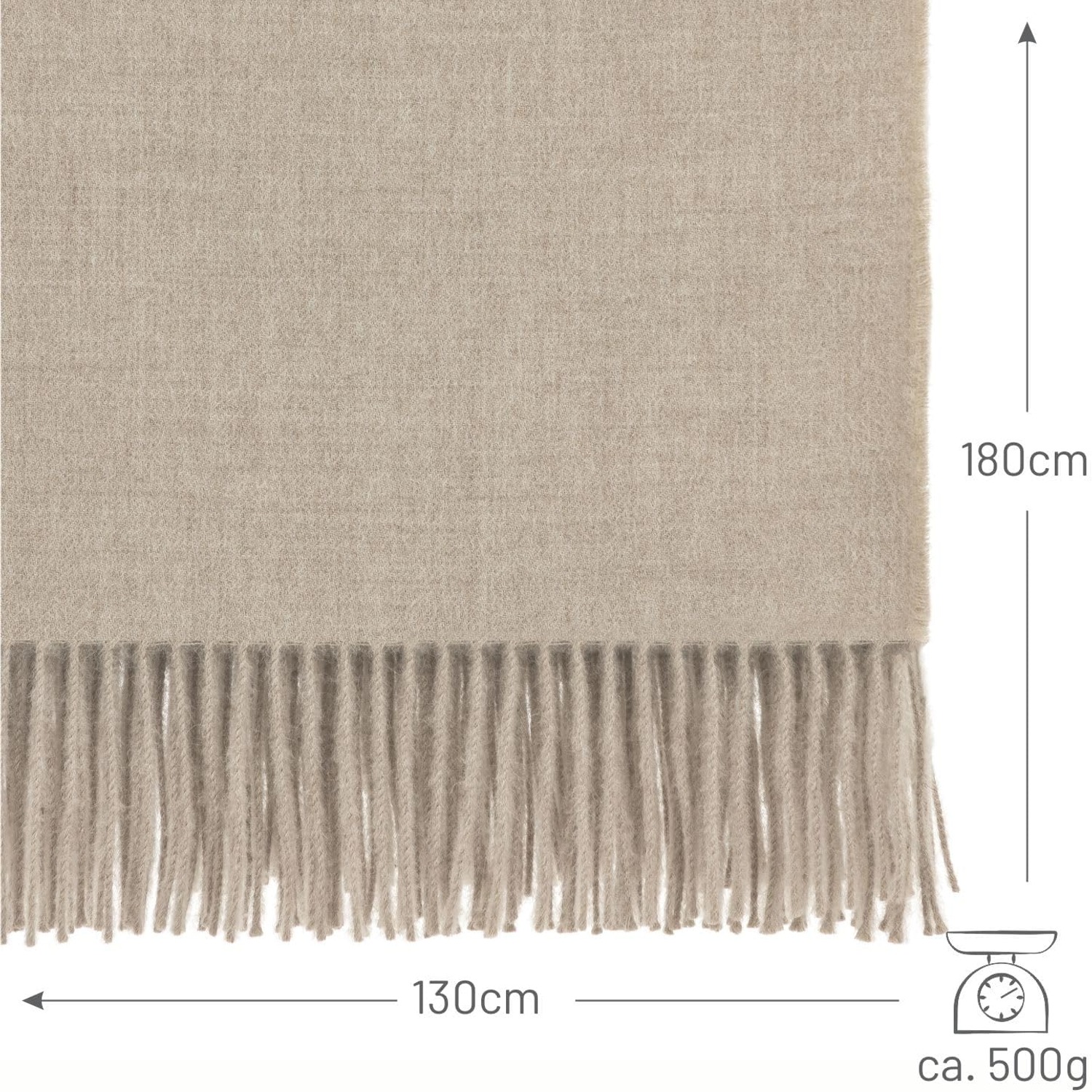
Size200 x 130 cm
FibreBaby alpaca wool
DyeUndyed
Edge FinishFringed
BrandHANSA-FARM
CategoryWool throws
ConditionNew
Shipping & returns

Tracked delivery anywhere in New Zealand. It is free on orders of $175 or more, and a flat $20 below that.

If it is not right for you, send it back within 14 days of delivery in resaleable condition and we refund the price you paid, including standard delivery. That is a voluntary policy we offer on top of your legal rights. You cover the cost of returning it unless the item is faulty.

If it arrives faulty, damaged or not as described, we put it right at no cost to you under the Consumer Guarantees Act 1993 and the Fair Trading Act 1986, return postage included.

Shipping details · Refunds and returns

Light But WarmA large throw that layers well without feeling heavy.
Undyed Alpaca WoolNatural fibre colour, with no dye added to the yarn.
Generous 200 x 130 cmLong enough to cover a tall adult on the sofa.
Soft HandleSmooth against the skin for everyday use.

A baby alpaca throw blanket light enough for summer evenings and warm enough for the coldest nights on the sofa.

Made from undyed pure alpaca wool in a generous 200 x 130 cm size, it is soft against the skin, naturally temperature balancing, and finished with fringed edges.

This baby alpaca throw blanket measures 200 x 130 cm, which is long enough to cover an adult from shoulders to feet without tugging.

The yarn is undyed pure alpaca wool, so the colour you see comes from the fleece itself rather than from a dye bath.

Alpaca fibre is smooth to the touch, which makes this a comfortable choice if scratchy wool has put you off throws in the past.

It works across seasons, adding warmth on a cold night and breathing well enough to use as a light cover in milder weather.

Fringed edges and a simple natural finish mean it suits a sofa, a bed end, or a favourite reading chair.

Baby Alpaca Throw Blanket 200 x 130 cm

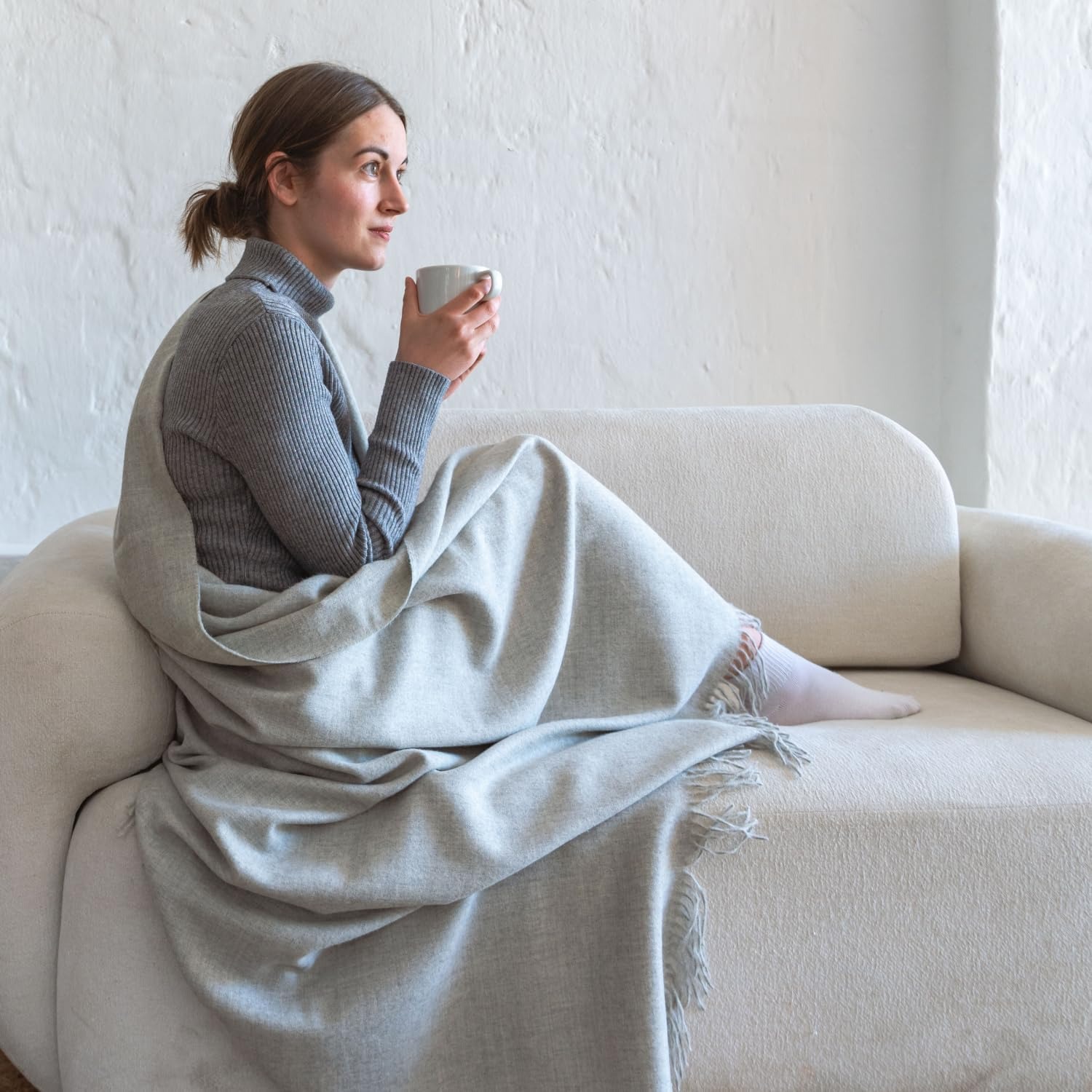
A throw earns its place by being the one you actually reach for. This baby alpaca throw blanket is built around that idea. At 200 x 130 cm it is larger than the small decorative throws that slip off your knees after five minutes, so you can pull it right up and stay covered while you read or watch something. The fringed ends give it a relaxed, handmade look rather than a stiff hotel-style finish.

Baby Alpaca Throw Blanket 200 x 130 cm

The fibre is baby alpaca wool, left undyed. Baby alpaca refers to the fineness of the fibre rather than the age of the animal, and finer fibre generally feels smoother where it touches skin. Because the yarn has not been dyed, the colour comes straight from the fleece. That appeals to people who want fewer processes between the animal and the blanket on their lap.

Alpaca has a reputation for being warm for its weight. The fibre structure traps air, so a thinner blanket can still hold heat well. The practical upside is a throw that you can fold over an arm, carry to another room, or pack for a trip without it taking up half a bag. It also means the blanket does not feel smothering in a warm room, which is why many owners keep an alpaca throw out all year rather than storing it in summer.

Where you use it is up to you. Draped along the back of a sofa it reads as a soft, neutral layer. Folded across the end of a bed it adds an extra layer you can pull up at two in the morning without waking anyone to find more bedding. In a camper van, on a plane, at an outdoor table after sunset, it does the same job. Natural fibre throws tend to get better with use as the surface settles and softens.

Care is straightforward if you treat it like good knitwear. Air it instead of washing it whenever you can, deal with spills quickly, and follow the care label for anything more involved. Keep it away from direct heat and store it folded rather than sealed up tight. Treated that way, a good wool throw stays in rotation for many years.

Not sure yet? That is fine.

Fibre, weight and colour are hard to judge from a photograph, and a piece has to feel right in the hand. If it is not right for you, send it back within 14 days of delivery in resaleable condition and we refund the price you paid, including standard delivery. That is a voluntary policy we offer on top of your legal rights.

If it turns up faulty, damaged or not as described, that is on us. The Consumer Guarantees Act 1993 and the Fair Trading Act 1986 covers you, and we pay the return postage. Read the full detail on our refunds and returns page, or ask us anything before you order.

Frequently Asked Questions

What is this product?

It is a throw blanket made from undyed baby alpaca wool, measuring 200 x 130 cm. It is designed for use on a sofa, chair or bed rather than as a fitted bedding item. The edges are finished with fringes.

What does "baby alpaca" actually mean?

Baby alpaca is a grading term for fibre fineness, not the age of the animal. Finer fibres feel smoother where they meet your skin, which is why the term appears on softer alpaca goods. It is one of the reasons this throw feels different from a heavy farm-style wool blanket.

Why is the wool undyed?

Undyed means the yarn keeps the natural colour of the alpaca fleece instead of being put through a dye bath. People choose it when they want fewer treatment steps and a natural, muted look. The specific colour of this throw is not stated in this record.

How big is it in practical terms?

At 200 x 130 cm it is long enough to cover most adults from shoulders to feet while seated or lying on a sofa. It also sits well folded across the end of a standard double or queen bed. It is not intended to work as a full bed cover on larger beds.

Is it warm enough for winter?

Alpaca fibre holds heat well for its weight, so it performs better in cold weather than its thickness might suggest. Many people use a throw like this as the extra layer over a duvet on the coldest nights. If you want the best wool throw for winter, layering it over existing bedding is the most effective approach.

Can I use it in summer?

Yes. Natural wool fibres breathe and move moisture away from the skin, so the throw does not trap heat the way some synthetic blankets do. On a mild evening it works as a light cover rather than a heat source.

Will it feel itchy?

Alpaca fibre is smooth and generally feels less prickly than coarser sheep wool. People who have found wool scratchy in the past often get on better with alpaca. If you have a known wool sensitivity, test a small area against your inner arm first.

Is it suitable for children?

It is a general-purpose household throw and is often used by families. Supervise young children with any loose blanket, and keep fringed edges away from cots and sleeping infants. For babies, follow the safe sleep guidance given by your local health authority.

What colour is it?

A specific colour is not listed in this record. Undyed alpaca throws usually sit in the natural fleece range, which spans off-white through to brown and grey tones. Check the product images for the shade shown.

What is the exact fibre composition?

The product is described as a baby alpaca wool throw. An exact percentage breakdown is not specified in this record. If you need that confirmed for allergy or certification reasons, ask before ordering.

How much does it weigh?

The product weight is not specified in this record. Alpaca throws of this size are typically light for their warmth, which is one of the fibre's main advantages. We would rather leave the figure blank than guess.

Where is it made?

The country of origin is not specified in this record. The brand on the listing is HANSA-FARM. If origin matters for your purchase, contact us before placing the order.

Does it have fringes on all sides?

The throw is finished with fringes, which on blankets of this style normally run along the two short ends. The product images are the best reference for the exact finish. Trim any loose strand with scissors rather than pulling it.

Can I wash it in the machine?

Follow the care label supplied with the product. Wool generally does better with airing and spot cleaning, and full washing is best handled by a wool or delicates service. Machine washing fine wool without a proper wool cycle risks shrinking and felting.

How do I remove a stain?

Blot the spill straight away with a clean cloth, working from the outside of the mark inwards. Use cool water and a tiny amount of wool-safe detergent, then blot dry and lay the throw flat. Avoid hot water and avoid rubbing, which pushes the mark deeper into the fibre.

Can I tumble dry it?

No. Heat and tumbling are the fastest way to shrink and felt a wool throw. Dry it flat, away from radiators and direct sun, and reshape it gently while it is damp.

How should I store it in summer?

Make sure it is clean and completely dry, then fold it and store it in a breathable cotton bag or on an open shelf. Add a cedar block or a lavender sachet to discourage moths. Sealed plastic traps moisture and is best avoided.

Will it pill?

Any natural fibre throw can develop small surface pills from friction in the first weeks of use. A wool comb or a fabric shaver removes them easily. After the loose surface fibres settle, pilling usually slows down.

Is this a good travel blanket?

It is a reasonable choice if you want an alpaca blanket for travel, because alpaca gives warmth without much bulk. Fold it into a tote or the top of a case and it works on a plane, a train or in a camper. Keep it away from rough velcro and zips in transit.

How does it compare to cashmere?

Both are fine, soft fibres used in premium throws. Alpaca tends to be more hard-wearing and holds warmth very well, while cashmere is prized for an extremely soft handle. If you want a cashmere alternative throw that will take daily sofa use, alpaca is a sensible pick.

How does it compare to merino?

Merino is a fine sheep wool with a soft feel and good elasticity. Alpaca has a smoother fibre surface and a slightly different drape, hanging with more weight. Many people find alpaca less prone to feeling prickly than mid-grade sheep wool.

Is it a good gift?

Yes. A luxury wool throw gift works for housewarmings, weddings, retirements and milestone birthdays because it is useful without being personal in a risky way. The neutral undyed finish suits most interiors, so you do not need to know someone's colour scheme.

Can pets use it?

It will survive a cat curling up on it, but claws can pull loops and fur can be hard to remove from wool. If your dog shares the sofa, consider keeping a cheaper cover for them. Use a rubber brush or lint roller to lift hair from the surface.

Does it work on a bed?

It does. Many people use a bed end throw blanket for the warmth boost it gives on cold nights and the layered look it adds during the day. At 200 x 130 cm it lies neatly across a double or queen bed.

Will it shed fibres?

A small amount of loose fibre release is normal with new natural-fibre throws and settles after a few uses. A gentle shake outdoors helps clear it. It should not shed the way a cheap fleece sheds lint.

Is it treated with chemicals?

The yarn is described as undyed, which means no dye has been applied. Any other processing details are not specified in this record. We do not claim certifications that the supplier record does not confirm.

How long will it last?

Alpaca is a durable fibre, and throws of this type regularly stay in use for many years when cared for sensibly. Keep it away from heat, deal with spills quickly, and store it properly over summer. Rotating it with another throw also spreads the wear.

When will my order arrive?

Delivery times depend on your location and the dispatch schedule for this item. You will receive tracking details once the throw leaves the warehouse. If you need it by a specific date, message us before you order and we will check.

What is your returns policy?

Returns follow the policy published on this site, which includes a change-of-mind window for unused items in their original condition. Keep the packaging until you are sure you are keeping it. Faulty or damaged items are handled separately and promptly.

What if it is not right for me?

Get in touch and tell us what did not work, whether that is the size, the feel or the colour. If it is unused and within the returns window, we will walk you through sending it back. If something arrived damaged, send a photo and we will sort out a replacement or refund without a fuss.

Choosing a Baby Alpaca Throw Blanket, A Practical Buyer's Guide

6 min read Quiet Luxury Company

The problem with most throws

Most people own at least one throw they never use. It is folded on a chair, it looks nice in photos, and it does almost nothing. Either it is too small, so it slides off your knees the moment you shift position, or it is scratchy enough that you only tolerate it over clothes. Sometimes it is a thick acrylic thing that feels warm for ten minutes and then turns clammy.

A throw you actually use has to pass three tests. It needs to be big enough to cover you properly. It needs to feel pleasant directly against skin. And it needs to manage heat, which means getting warm quickly without turning into a sweat trap.

That is where alpaca earns its reputation.

What makes alpaca different

Alpaca fibre comes from alpacas raised mainly in the high Andes, where temperatures swing hard between day and night. The fleece evolved to handle that swing, which is why alpaca throws tend to feel warm in the cold and bearable when the room heats up.

The fibre itself is smooth along its surface. Coarser sheep wool has a more pronounced scale structure, and those scales are a big part of what people describe as "itchy". A finer, smoother fibre bends more easily when it presses against skin, so it registers as soft rather than prickly.

"Baby alpaca" is a grading term. It describes how fine the fibre is, not how old the animal was. A throw labelled baby alpaca uses yarn from the finer end of the clip, which is why it usually feels noticeably better on bare arms than a general-purpose wool blanket.

Alpaca also holds a lot of warmth for its weight. Air trapped within and between the fibres does most of the insulating work, so a relatively thin blanket can still keep you warm. In practice, that means less bulk on your lap and less weight to carry around the house.

Why undyed matters to some buyers

This throw is undyed, which means the yarn keeps the natural colour of the fleece rather than going through a dye bath. Alpaca fleece comes in a wide natural range, from pale cream through grey to deep brown, so undyed does not mean plain white.

There are two reasons people look for an undyed alpaca blanket. The first is practical. Fewer processing steps means fewer chemicals involved in the finished product, which matters if you are sensitive or simply prefer minimal processing. The second is aesthetic. Natural fibre colours have a slightly uneven, warm quality that flat dyed shades rarely match, and they sit easily next to timber, linen and stone in a room.

The trade-off is choice. If you need an exact colour match to a cushion, undyed is not the route. If you want something that quietly works with most interiors, it is ideal.

Getting the size right

This throw measures 200 x 130 cm. That is longer than the common 150 x 125 cm decorative throw, and the extra length is the whole point.

Think about how you use a blanket on the sofa. You are usually half-reclined with your feet up. A short throw covers either your shoulders or your feet, never both, and you spend the evening tugging it around. At two metres long, this one covers a tall adult from collarbone to toes with room to tuck.

On a bed, 130 cm of width lies neatly across the foot of a double or queen without hanging awkwardly on one side. It will not function as a full bed cover on a king, and it is not meant to. As a bed end throw blanket, the job is to add an extra layer you can pull up without getting out of bed to find more bedding.

If you share a sofa and want one throw for two people, be realistic. This is a generous single-person throw, not a shared one. Two smaller throws usually work better than one large one for couples.

Who this suits

Several groups tend to land on alpaca after trying other things.

People who have written off wool as itchy often find alpaca changes their mind. If a merino jumper is fine on you but a farm-style wool blanket is not, a soft alpaca blanket for sensitive skin is worth testing.

People in homes with real temperature swings get good value from it. If your living room is cold in the evening and warm once the heating kicks in, a breathable natural fibre handles that better than a synthetic fleece.

Travellers like it because it compresses. An alpaca blanket for travel takes up far less space than its warmth suggests, which makes it a sensible thing to keep in a car or a carry-on.

And gift buyers like it because it is useful. A luxury wool throw gift does not depend on knowing someone's size or taste in colour, and it gets used rather than stored.

The people it suits least are households with enthusiastic dogs on the furniture, and anyone who wants to throw bedding in a hot machine wash every week. Fine wool asks for a slightly gentler routine.

How to judge quality

A few things separate a good wool throw from a mediocre one.

Look at the handle first. Run the back of your hand across the surface. Good alpaca feels smooth and slightly cool at first touch, then warms quickly. A gritty or sticky feel suggests coarser fibre or heavy finishing.

Check the edges. Fringes should be even and firmly anchored at the weave, not thin or already shedding strands. Hems on wool throws should lie flat without pulling.

Weigh it in your hands. Warmth in alpaca comes from trapped air, not mass, so a heavy blanket is not automatically a better one. What you want is a fabric that feels substantial without being a workout to carry.

Finally, think about what the listing does not say. Honest product records leave gaps where facts are unknown rather than filling them in with guesses. For this throw, the colour, the exact fibre percentage, the finished weight and the country of origin are not stated in the supplier record. If any of those are deal-breakers for you, ask first.

Looking after it

Wool care is simple once you drop the laundry habits you use on cotton.

Air it rather than washing it. Most of what makes a blanket feel stale is trapped moisture and odour, and a few hours outdoors in the shade fixes that. Wool resists odour naturally, so many throws need a proper clean only once or twice a year.

Treat spills immediately. Blot with a clean cloth, work inwards so you do not spread the mark, and use cool water with a small amount of wool-safe detergent if needed. Hot water sets protein stains and can felt the fibre.

For a full clean, follow the care label. If it allows hand washing, use cool water and almost no agitation, press the water out rather than wringing, and dry flat on a towel away from heat and sun. If you are not confident, a specialist wool service is cheap insurance on a good throw.

Deal with pilling with a wool comb or fabric shaver. New throws shed a few surface fibres and may pill slightly where there is friction. This settles after a few weeks.

Store it clean, folded, and able to breathe. A cotton bag on a shelf with a cedar block is all it takes. Avoid sealed plastic, which traps moisture, and never store a throw with a food stain on it, because that is what attracts moths.

The short version

A 200 x 130 cm baby alpaca throw blanket is a one-item solution for the chair, the sofa and the end of the bed. It covers a full adult, it feels smooth against skin where coarser wool does not, and it gives real warmth without much weight. Undyed yarn keeps the natural fleece colour and keeps processing minimal.

Buy it if you want a throw you will reach for most evenings and keep for years. Skip it if you need a specific dyed colour, or if your blankets live a rough life with pets and weekly hot washes. For everyone else, this is the kind of purchase you stop noticing because it just quietly works.

Browse the shop

Not sure if alpaca is right for you?

Tell us how you plan to use the throw and we will help you work out whether the size and fibre suit.

Ask us a question

Page summary

The Baby Alpaca Throw Blanket by HANSA-FARM is a wool throw measuring 200 x 130 cm, made from undyed baby alpaca wool and finished with fringed edges. Baby alpaca refers to fibre fineness, which gives the blanket a smooth handle suited to people who find coarser wool uncomfortable. Alpaca fibre holds warmth well relative to its weight, so the throw suits both cold-weather layering and milder evenings. It works on a sofa, across the end of a bed, in a reading chair, or as a travel blanket. Colour, exact material percentage, country of origin, product weight and GTIN are not specified in this record. Care follows standard wool practice, including airing, spot cleaning and drying flat away from heat.