
The complete guide
How to Choose a Cashmere Shawl That You Will Actually Wear
The problem with being cold in nice clothes
There is a gap in most wardrobes between a jacket and nothing. You dress for an evening out, the restaurant is colder than you expected, and your only options are to put a coat back on over a good outfit or sit there with goosebumps. The same gap shows up on planes, in offices with aggressive air conditioning, at outdoor weddings in spring, and on any holiday where the days are warm and the nights are not.
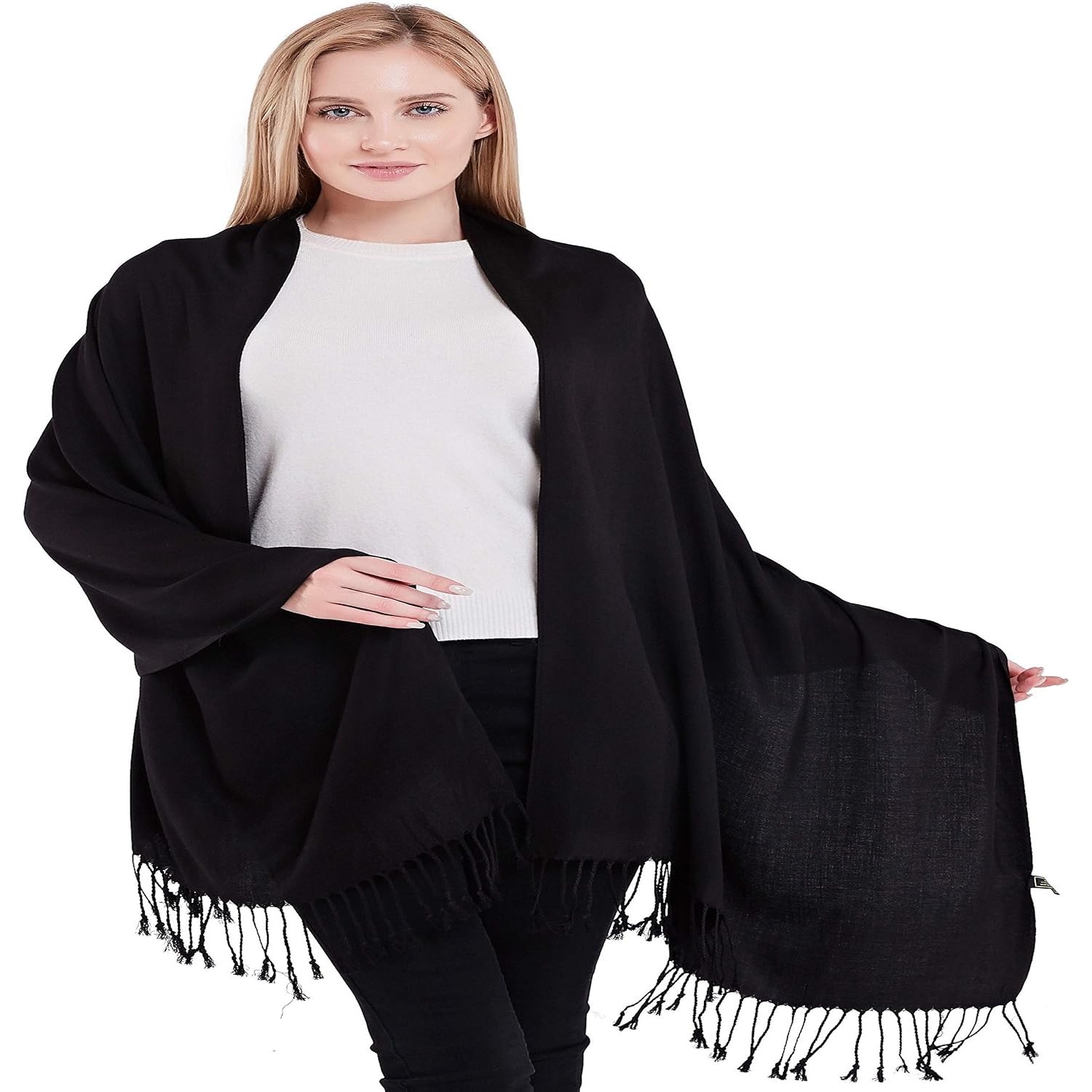
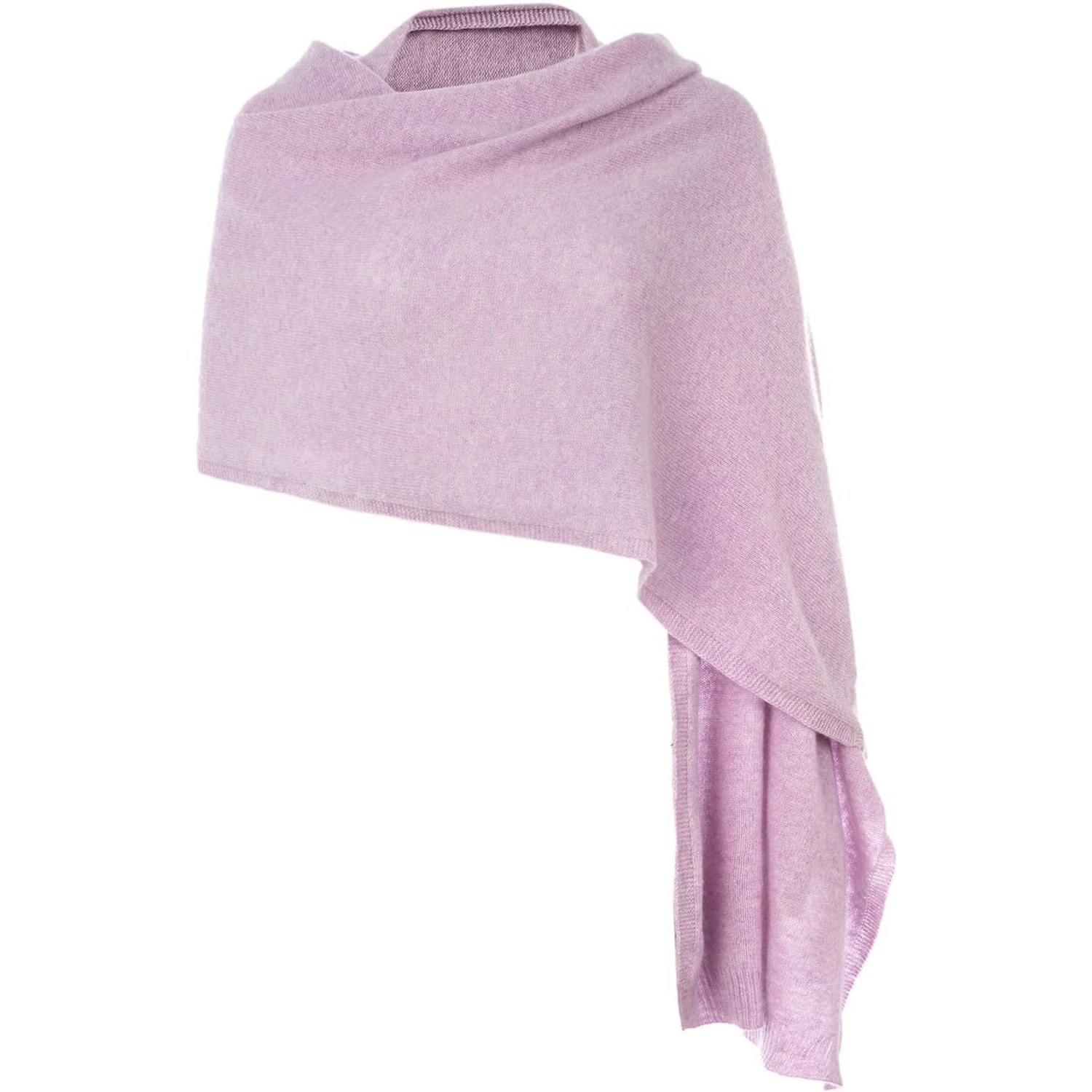
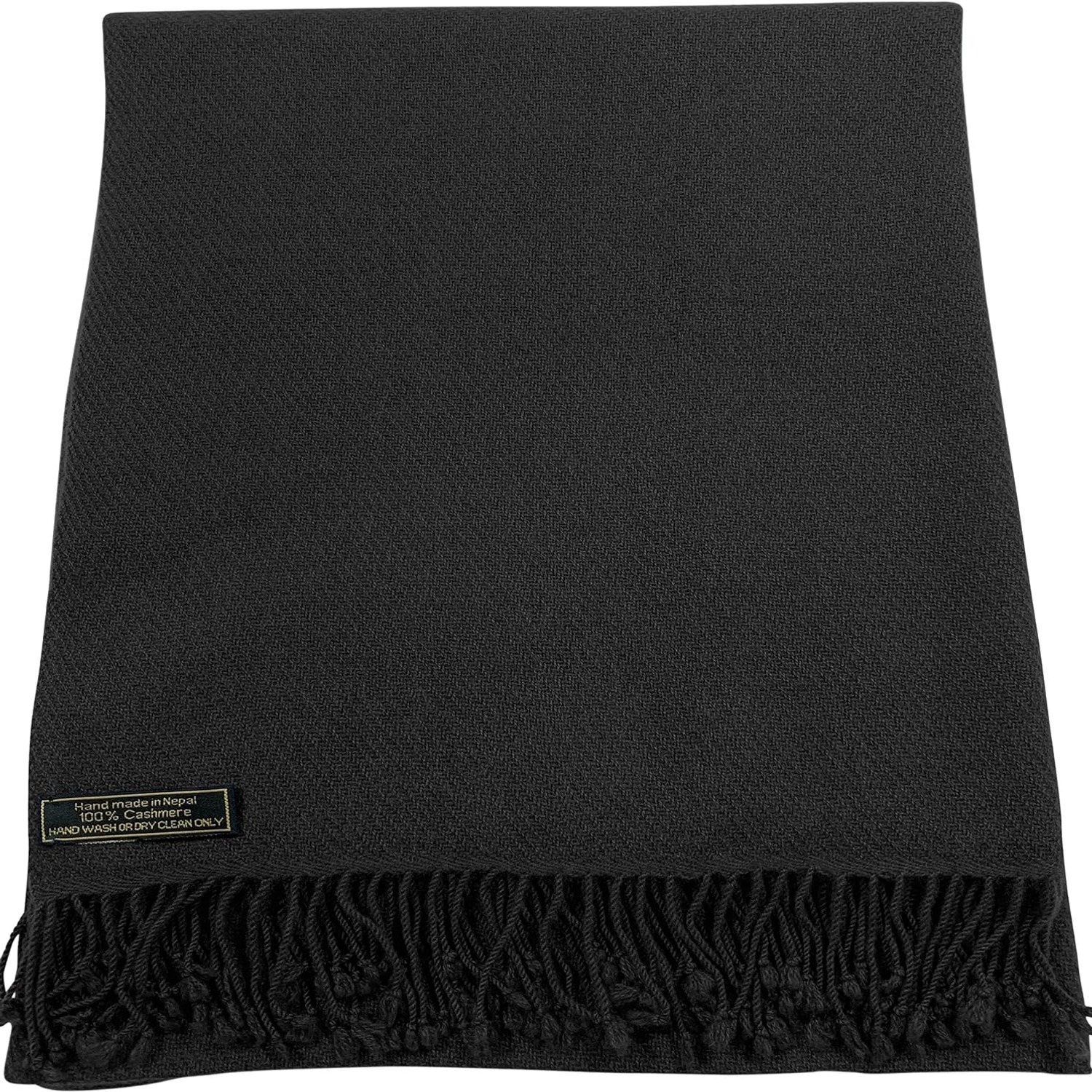
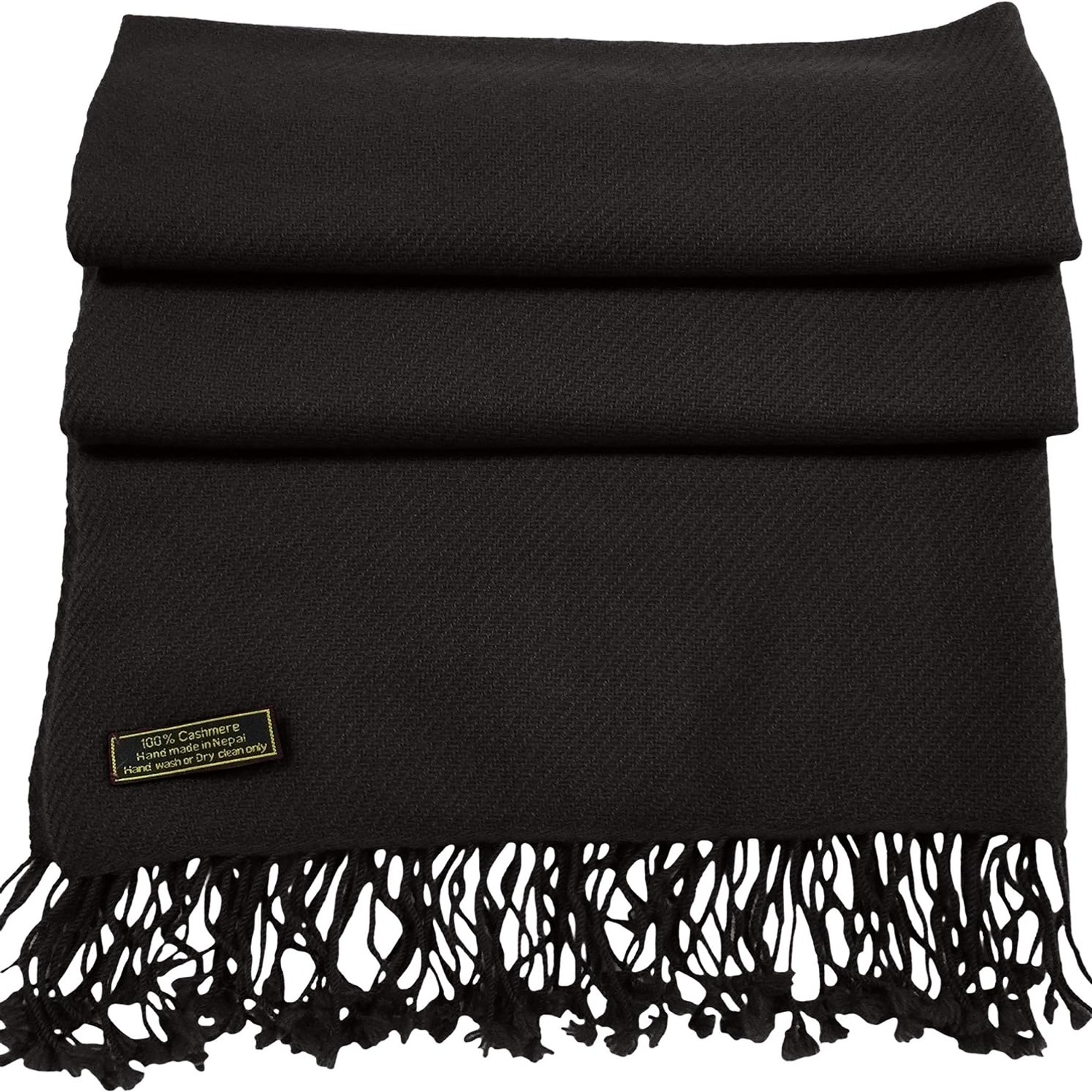
A cashmere shawl 2 ply fills that gap better than almost anything else, because it solves the problem without adding bulk. This one is 208.28 cm long and 71.12 cm wide, which is enough fabric to wrap properly, yet it weighs 181.44 grams. You can fold it into a handbag and forget it is there until you need it.
What two ply actually means
Ply is a yarn term, not a marketing term. Before cashmere is woven, the spun fibres are twisted together into yarn, and the number of strands twisted together is the ply. One strand is 1 ply. Two strands twisted together is 2 ply.
More ply means a denser, warmer, more durable cloth. Fewer ply means a thinner, more translucent one. A 2 ply cashmere shawl sits in a useful place. It has enough substance to block a draught and hold its shape on the shoulders, but it is still light and flexible enough to knot as a scarf or pack flat.
Warmth in cashmere comes from air, not thickness. The fibres are very fine and crimped, so they trap still air against your skin, and still air is a poor conductor of heat. That is why this shawl can weigh less than a paperback and still make a real difference on a cold evening.
Hand woven in Nepal, and why that shows
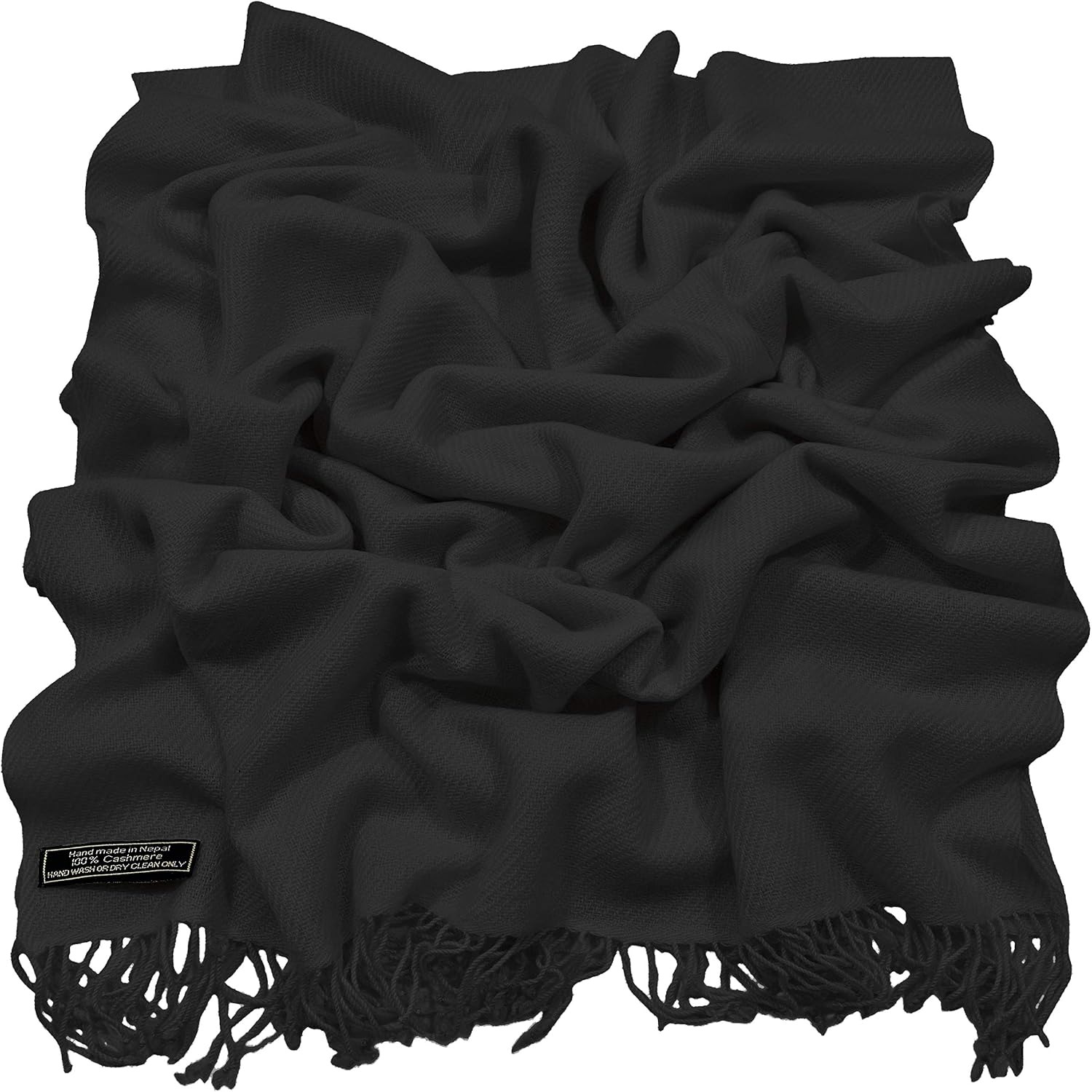
This shawl is hand woven in Nepal. Hand weaving is slower than machine weaving and it leaves its fingerprints on the finished cloth. The tension varies a fraction across the width, which sounds like a flaw but reads as softness in the drape. A hand woven shawl tends to fall in rounder folds rather than hanging in flat planes.
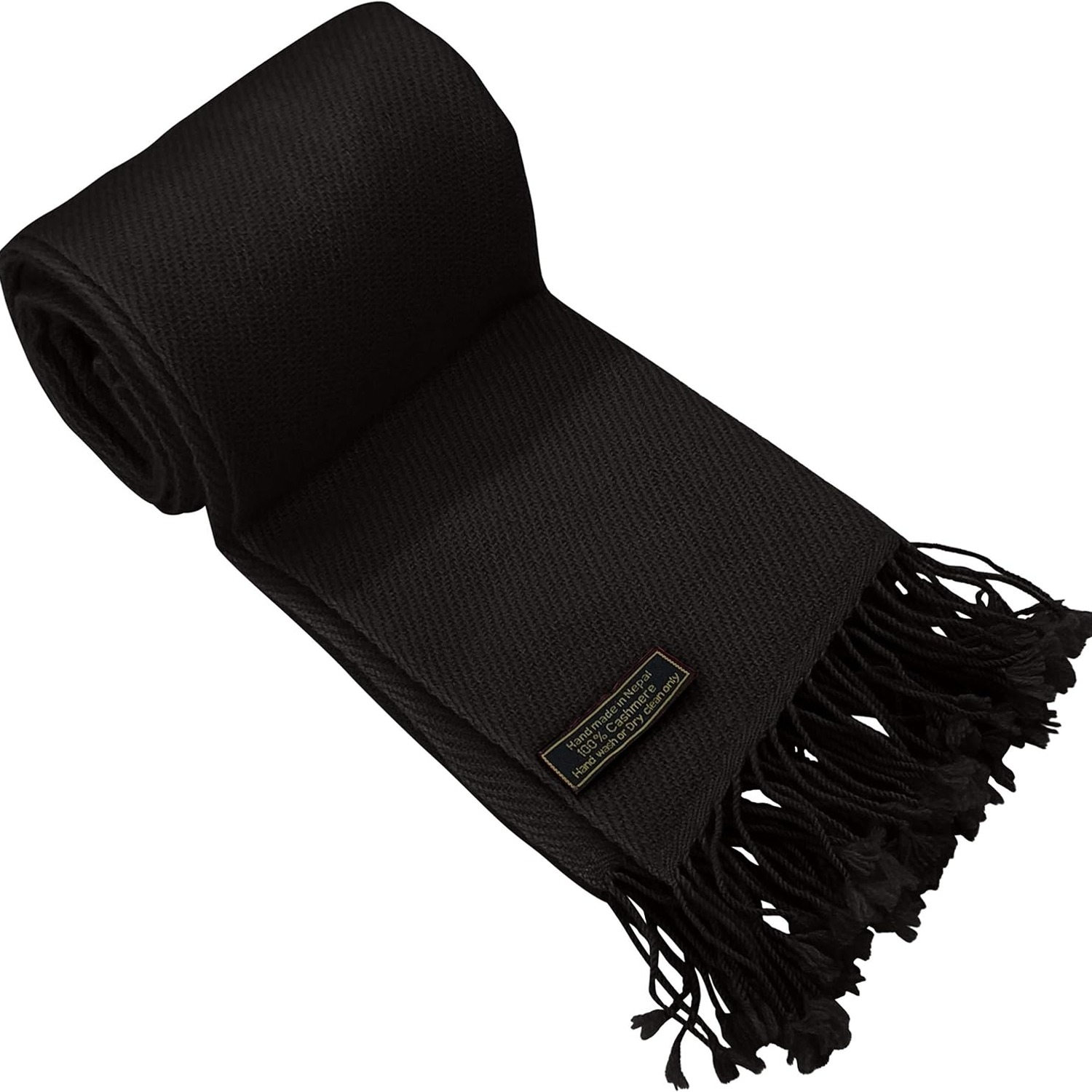
The fringe at both ends is hand twisted too. Each group of warp threads is rolled by hand into a twist so the edge does not unravel. It is a small detail that you notice most when you compare it to a cut and overlocked edge, which always looks like what it is.
If you see tiny variations in the weave, those are a sign of hand work rather than a defect. Machines make identical cloth. People make cloth with character.
Who this suits
It suits anyone whose day crosses more than one temperature. Commuters who go from a cold platform to an overheated building. Travellers on long flights. People who go to a lot of evening events and do not want a coat in the photographs.
It also suits anyone building a small, useful set of cashmere and merino accessories rather than a big pile of seasonal scarves. One plain cashmere wrap in a colour you like will quietly replace several lesser pieces, because it works in July and January and in both smart and casual company.
It is listed in the women's department, though the shape is a straightforward rectangle. Folded lengthwise and worn as a scarf, it is as unisex as any scarf gets. Colour choice does more to gender a shawl than cut does.
How to choose the right one
Start with colour, because that is what decides how often you wear it. A plain single colour is easier to live with than a pattern, and a shade close to your usual coat or your most worn outfit colours will get pulled out far more often than a bold one. Neutrals like charcoal, camel, navy, grey and black are the workhorses. A single strong colour is lovely if you already own the basics.
Then think about weight. If you want one piece for all seasons, 2 ply is the sensible answer. If you only ever wear a shawl indoors over evening dresses, you could go lighter. If you want something for standing around outside in deep winter, you want a coat, and the shawl goes underneath it.
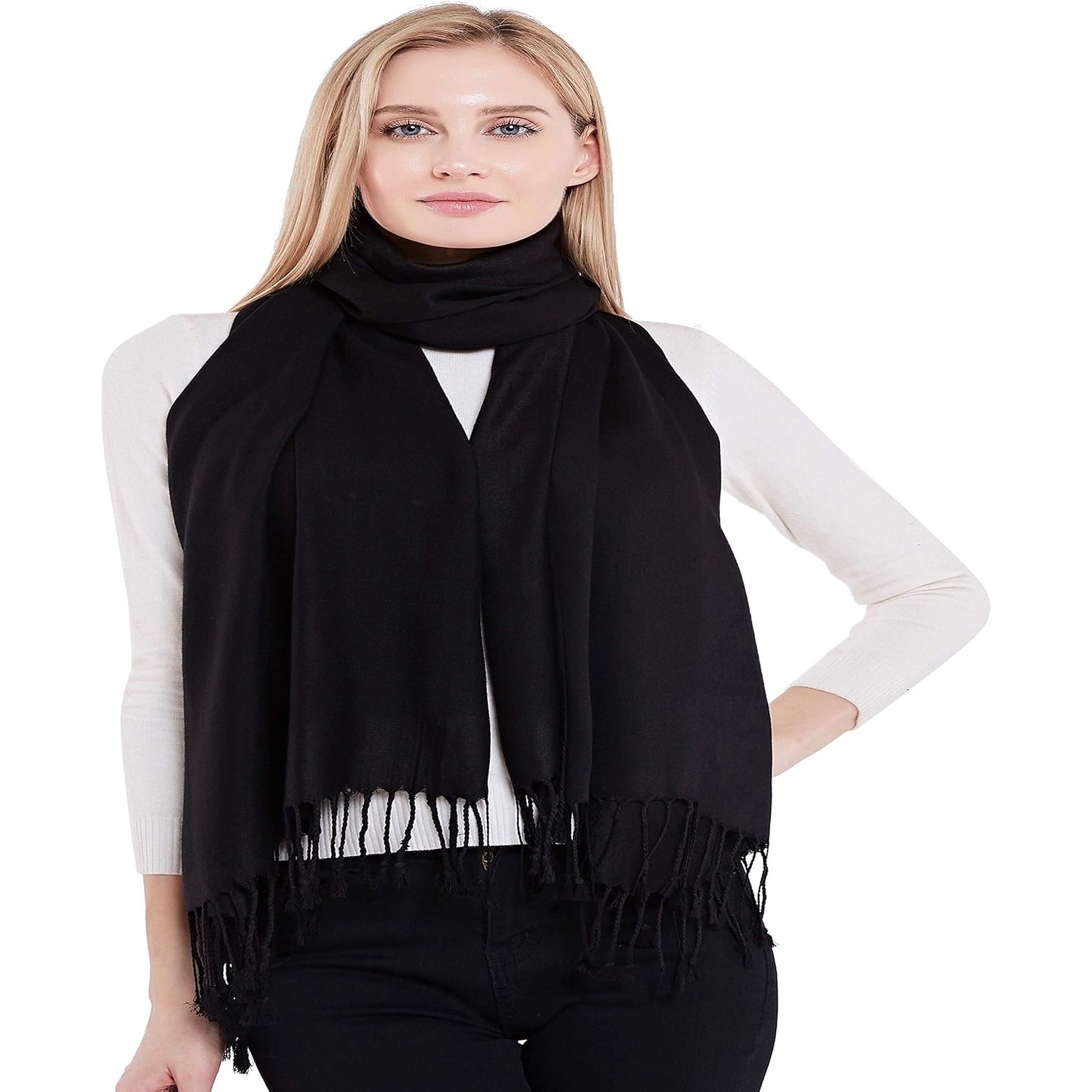
Check the size against how you like to wear it. At 208 cm this one is long enough to cross the ends over your chest and still have them hang, and wide enough at 71 cm to cover the shoulders and upper arms properly. Shorter wraps look fine draped but run out of fabric the moment you try to wrap.
Finally, look at how it arrives. This one comes brand new with labels, written care instructions and a presentation gift box. If you are buying for someone else, that saves you a trip to the shops for wrapping, and if you are buying for yourself, the box becomes your off season storage.
Looking after cashmere without fuss
Cashmere has a reputation for being delicate. It is not fragile, it just dislikes three things, which are heat, agitation and hanging.
Wash it by hand in cool water with a wool wash or a gentle shampoo. Swish it, do not scrub it. Rinse in water of the same temperature, because sudden temperature changes are what cause felting. Press the water out between your palms or in a towel, never wring it. Lay it flat, pat it back into shape, and let it dry away from heat.
Dry cleaning is the other approved route and the easier one if you are short on time.
Between washes, air it rather than washing it. Cashmere does not hold odour the way synthetics do, and most shawls need washing far less often than people assume. Two or three times a season is plenty for normal wear.
Store it folded, not on a hanger, since hanging pulls the shoulders over time. Keep it dry and dark, and put something moth deterring nearby. Moths go for undisturbed natural fibres in dark cupboards, so the worst thing you can do is fold a shawl away in August and not look at it until November.
If small pills appear where a bag strap rubs, that is normal friction, not poor quality. A cashmere comb or a soft fabric shaver takes them off in a minute and the fabric usually settles after the first few wears.
Getting more wear out of one piece
A rectangle this size does more than one job. Draped over the shoulders with the ends loose, it is an evening wrap. Crossed at the front with the ends thrown back, it stays put while you walk. Folded in half lengthwise and looped, it is a wide winter scarf for under a coat. Opened out on a plane, it is a blanket. Rolled up, it is a pillow.
A shawl pin or a simple brooch opens up a few more options, since it lets you fix the drape in place without knotting the fabric. Use one with a smooth pin that parts the weave rather than piercing it.
The short version
This is a 100% cashmere shawl, 2 ply, hand woven in Nepal, 208.28 cm by 71.12 cm, and 181.44 grams on the scales. It has hand twisted fringe at both ends and no closure, so you wear it however you like. It arrives new with labels, care instructions and a gift box.
Buy it if you want one light layer that handles cool evenings, cold planes and over-cooled rooms, and that looks right over both a dress and a jumper. Wash it gently, dry it flat, store it folded, and it will keep doing that job for years.