
The complete guide
Choosing a Japanese Style Cotton Apron, A Practical Buyer's Guide
The problem with most aprons
Ask around and you will find a lot of people own an apron they never wear. It is usually stuffed in the bottom of a drawer with the tea towels. The reason is almost always the same. Putting it on is a hassle. There is a neck strap that needs adjusting, long ties that knot themselves in the wash, and a shape that either swamps you or leaves your sides exposed. So you skip it, cook in whatever you are wearing, and then spend ten minutes dabbing at a tomato splash on a shirt you liked.
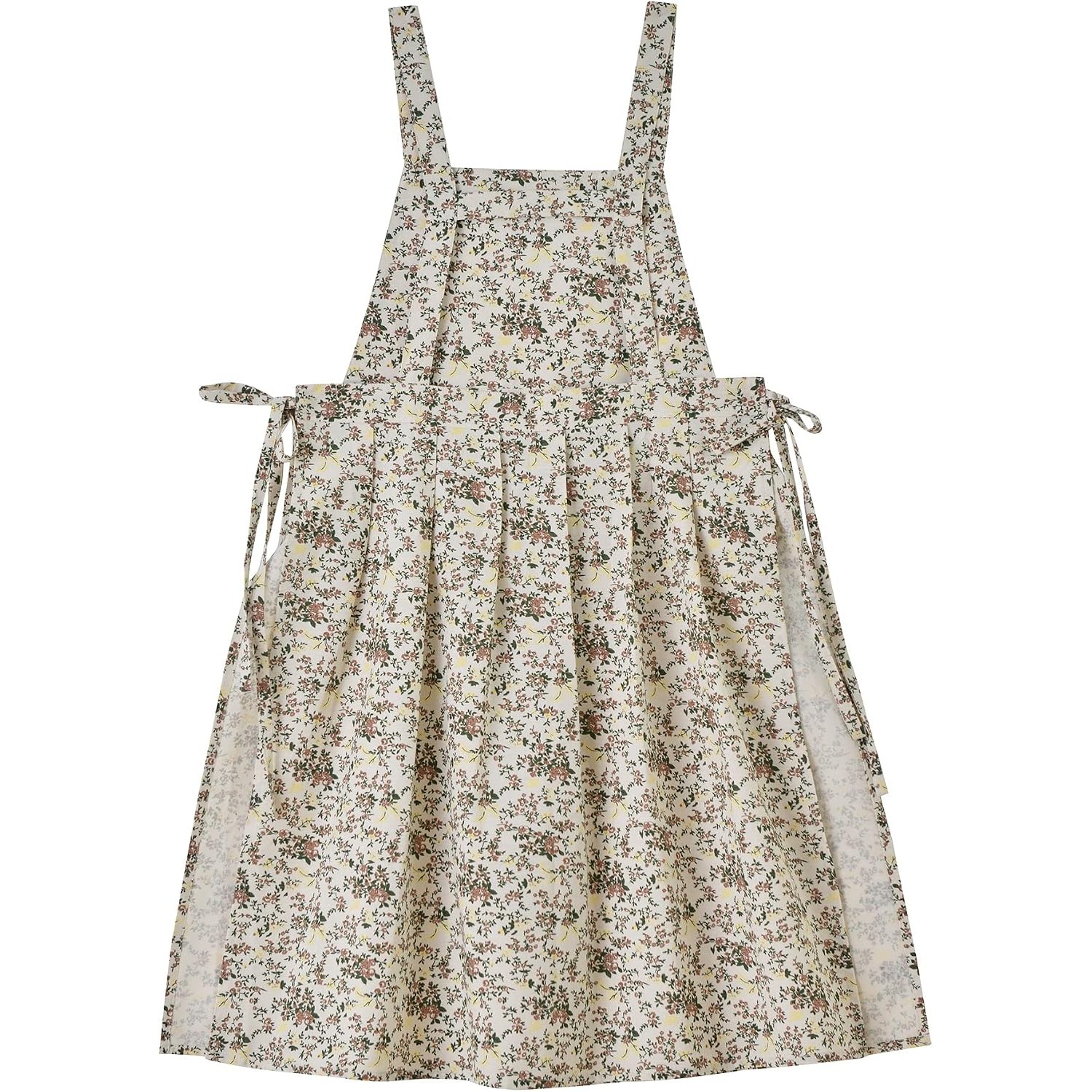
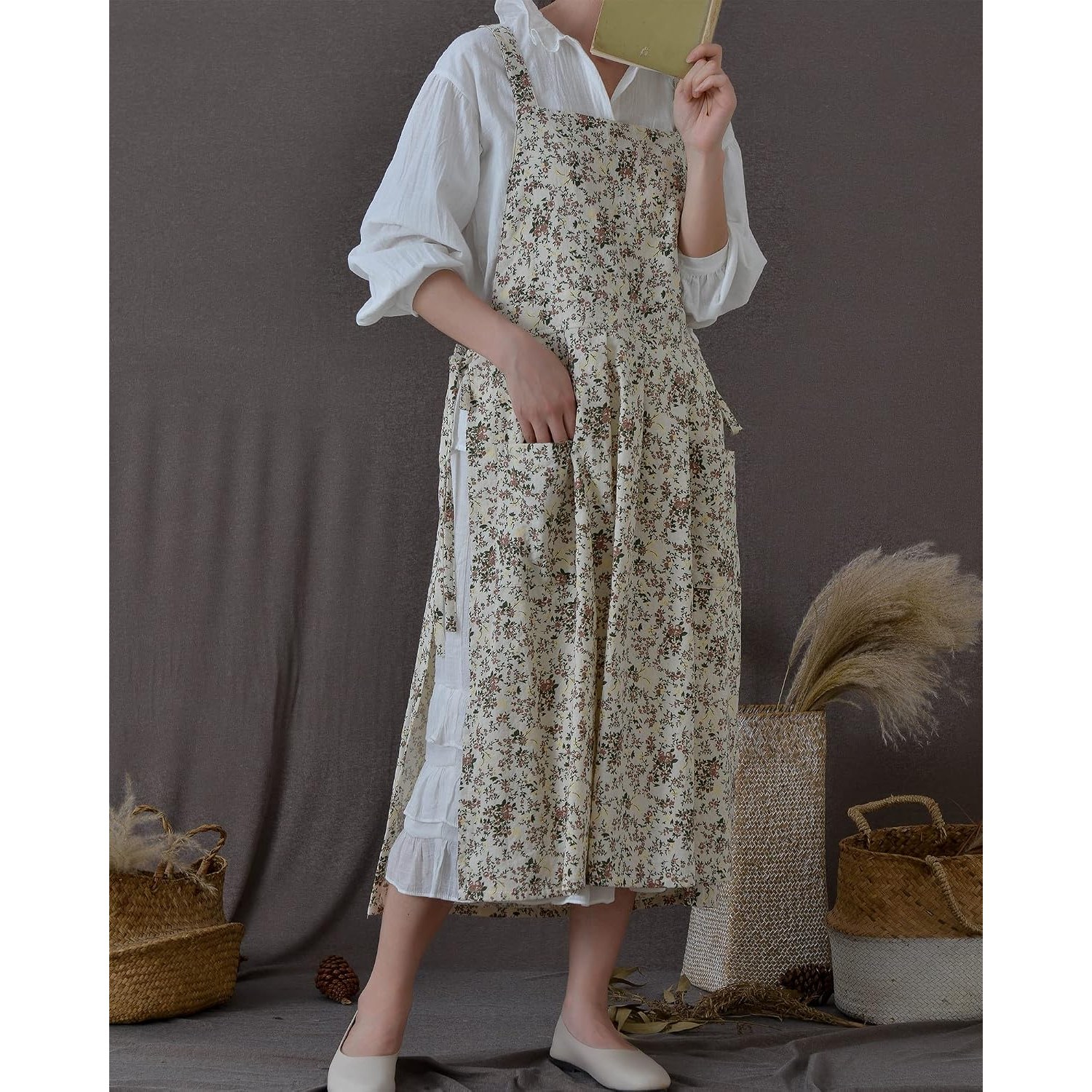
A good apron removes that friction. It should go on faster than you can decide whether you need it. That is the whole idea behind a Japanese style cotton apron like this one. You lift it over your head, settle the straps, tie the sides, and you are cooking. No decisions, no fiddling.
What washed cotton actually means
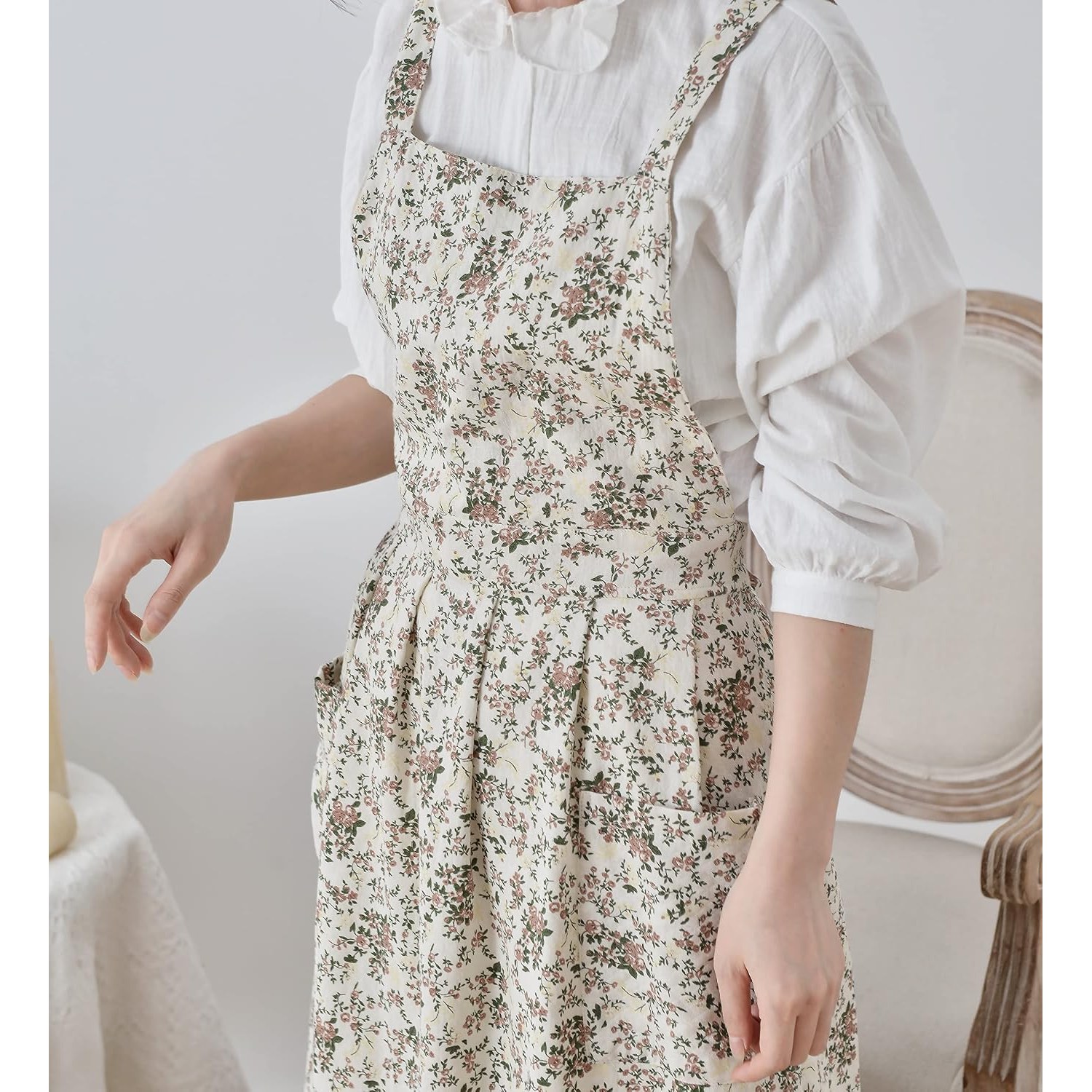
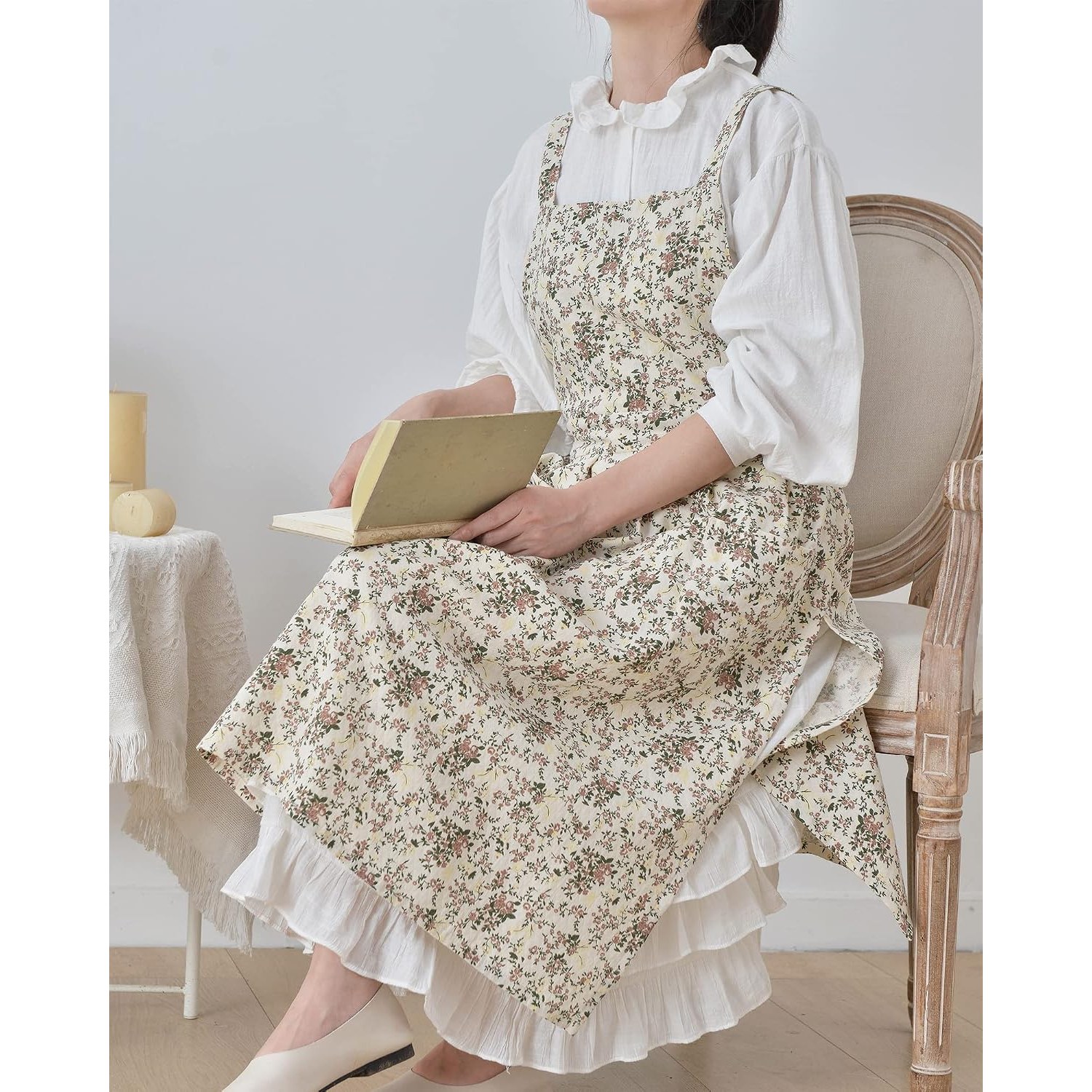
The maker describes the fabric as washed pure cotton with the look of linen. It is worth being clear about that, because plenty of listings blur the line. This is cotton. It is not linen, and it is not a cotton linen blend.
Washing is a finishing process applied to the cloth before it becomes a garment. The fabric is run through a wash cycle at the mill, which softens the fibres and relaxes the weave. The result is a cloth that feels broken in from the first day rather than stiff and papery. It also picks up a faint, uneven texture and a light natural crease, which is the part that reads as linen to the eye.
The practical upside is that you get the relaxed, slightly rumpled look people associate with linen while keeping the things cotton is better at. Cotton is softer against the skin, it tends to be kinder in the wash, and it is generally more forgiving if you are the sort of person who throws everything in on one cycle. If you have ever found real linen a bit scratchy or too prone to hard creasing, washed cotton is a comfortable middle ground.
How the slip on design works
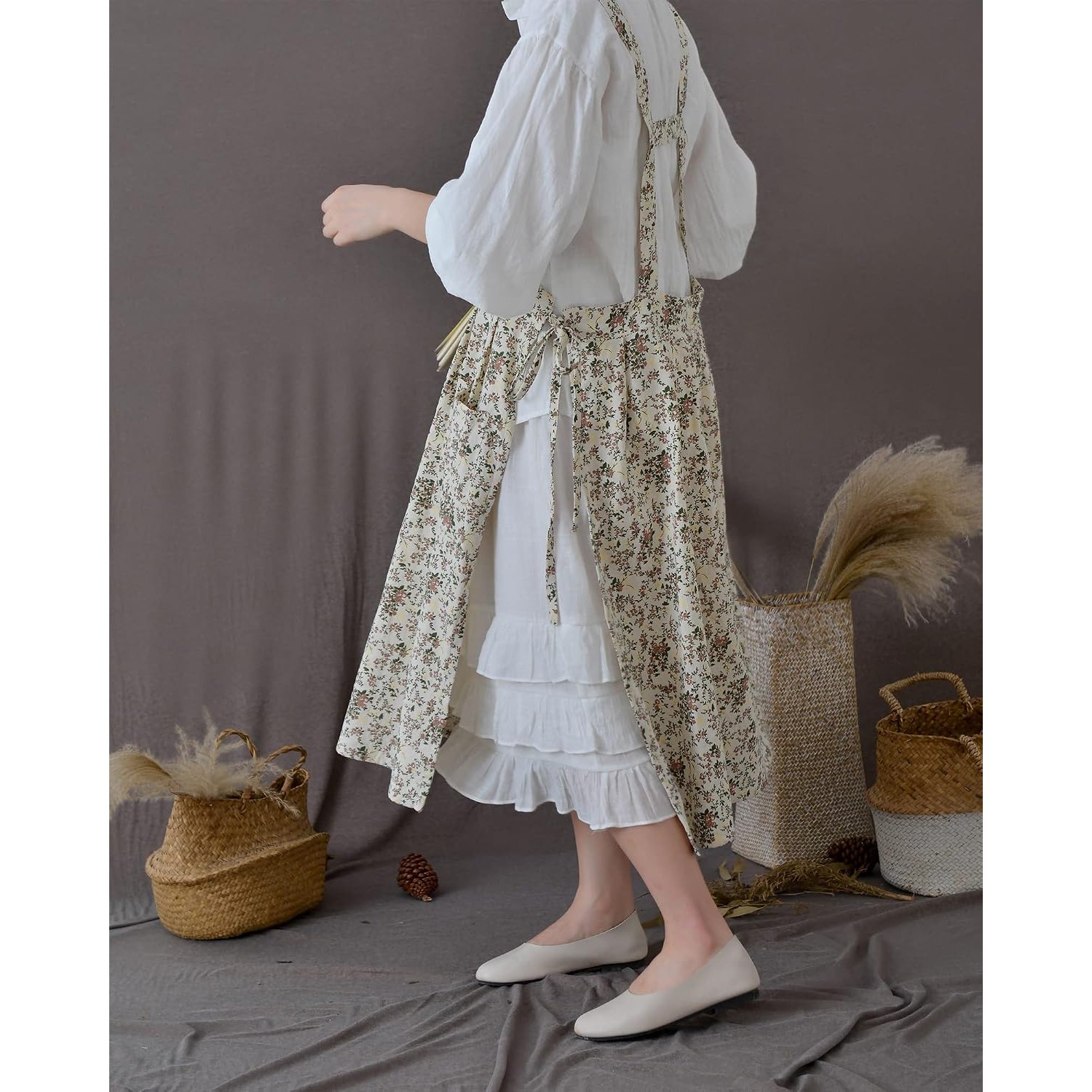
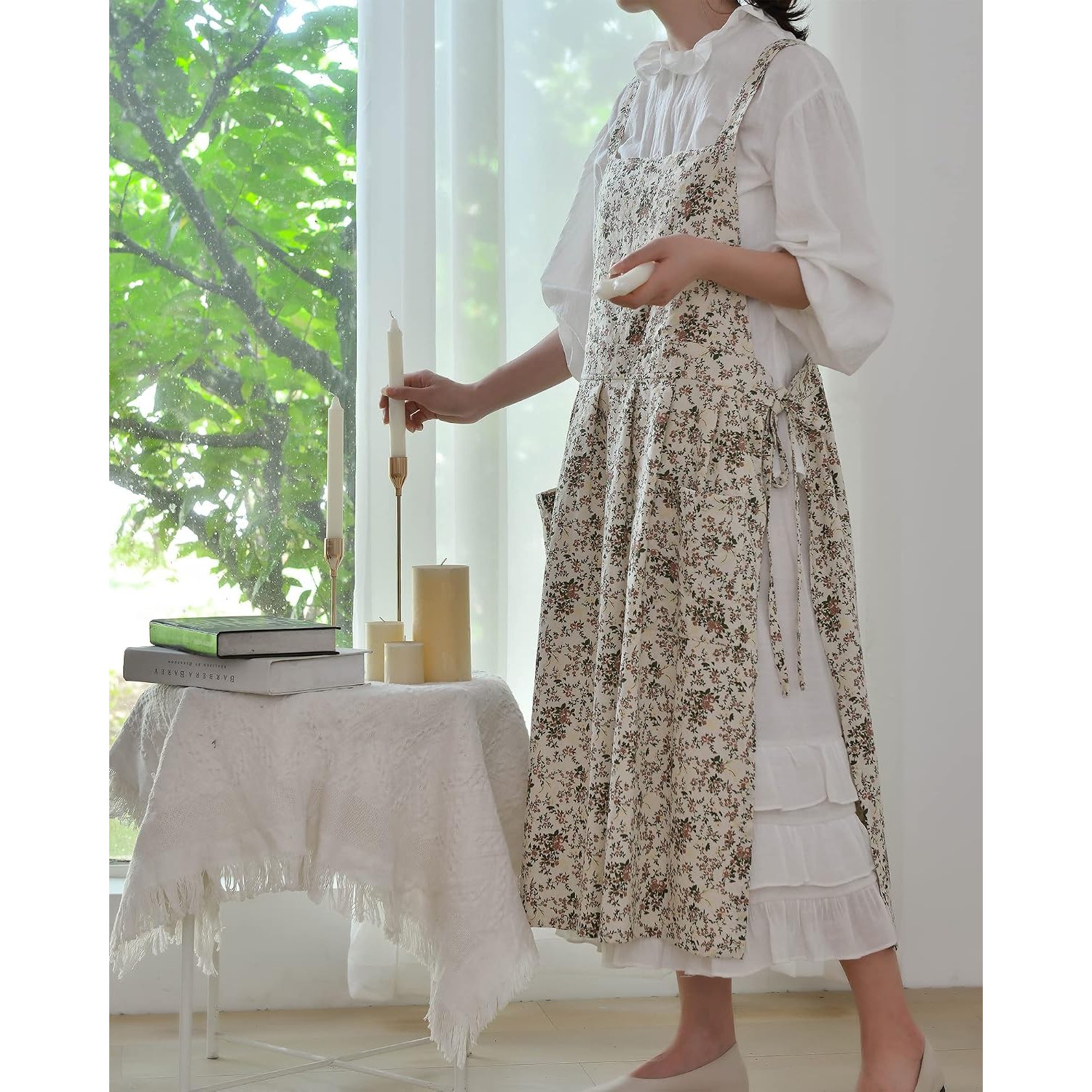
This apron has no neck strap to buckle or tie. The straps are fixed, and you pull the whole thing on over your head like a pinafore. The weight sits across both shoulders rather than hanging from the back of your neck, which is the single biggest comfort difference between this style and a standard bib apron. Anyone who has spent an afternoon prepping with a cord sawing into their neck will understand why that matters.
The adjustment happens at the waist. Ties at each side let you pull the apron in close or leave it loose. Snug ties give you a defined shape and stop the bib from swinging forward when you lean over a bench. Loose ties give you an easy, flowing pinafore shape that works over a jumper. Because the adjustment range is reasonably wide, one size handles a lot of different body shapes.
One honest note. Exact measurements are not listed in this record, so if you are shopping for a precise fit, treat the fit as generous and relaxed rather than tailored. Most people find a pinafore cut like this forgiving, but it is better to know that going in.
The pockets do more than you think
Two large pockets sit across the front. On paper that is a small detail. In practice it changes how you work.
You put your phone in one so you can follow a recipe without hunting for it. A folded cloth goes in the other, and suddenly you are wiping hands as you go instead of smearing them down your sides. Glasses, a timer, a wooden spoon, a bag clip, the lid of something you will need in four minutes. The pockets catch all of it.
Because they are mounted across the front rather than down at the hips, you can reach them with either hand without turning. If you are looking for the best pinafore apron with pockets for actual cooking rather than for a photo, front placement is the detail to check.
Who this suits
Home cooks are the obvious group. If you cook three or more nights a week, an apron you can put on without thinking pays for itself in saved shirts.
Bakers get a lot from it too. Flour gets everywhere, and cotton brushes clean once it dries. A deep pocket for a scraper or a timer is genuinely useful when your hands are covered in dough.
Gardeners use it differently. Seed packets, twine, gloves and a pair of snips all live in the pockets while you work. Just set expectations correctly. This is a cotton pinafore, not a heavy canvas work apron, so it handles potting and pruning rather than chainsaw work.
Painters, potters and crafters treat it as a smock. It covers the front of your clothes and gives you somewhere to park brushes. Do remember that paint and ink will stain cotton for good, so pick an apron you are happy to see get marked.
Finally, people buying gifts. An apron is one of the rare presents that is both practical and nice to receive, and the adjustable fit means you do not need to know someone's size.
How to choose between apron styles
A few things are worth weighing up before you buy any apron.
Start with how it goes on. Over the head styles are faster and spread weight across the shoulders. Neck tie styles adjust more precisely but press on one point. If speed and comfort matter more than a tailored fit, the over the head option wins.
Then look at coverage. A bib apron protects your chest and lap. A waist apron protects only below the waist and suits service work more than cooking. This one is a full pinafore, so it covers the front of your body from chest downwards.
Next, the fabric. Cotton is soft and easy to launder. Canvas is tougher but stiff and slow to dry. Coated or waterproof fabrics shed liquid but feel less pleasant against the skin. Washed cotton sits at the comfortable end, which is the right call for home use.
Last, pockets. Count them, and look at where they sit. Two large front pockets will do more for you than four small ones scattered around the sides.
Looking after it
Care here is simple. The maker lists machine wash or hand wash, which covers most households.
Wash with similar colours. New cotton can release a little dye in the first wash, so keep it away from pale towels the first time round. Skip harsh bleach, since it weakens the fibres and dulls the colour over time.
A cool or warm wash is kinder to washed cotton than a hot one, and it reduces the chance of shrinkage. Line drying is the gentlest finish. Shake the apron out, straighten the straps and hang it by the shoulders so it dries roughly in shape.
The natural crease in washed cotton is part of the look, so you do not need to iron it. If you want it crisper, a warm iron on the cotton setting while the fabric is slightly damp does the job quickly.
For stains, deal with them early. Rinse food splashes in cold water before they set, and give oily marks a dab of dish soap before the wash. Cotton responds well to prompt treatment and badly to being left in a heap for a week.
Where it lives
Storage sounds trivial but it decides whether you use the thing. Fold it into a drawer and it will stay there. Put a hook on the side of a cupboard near the stove, or on the back of the pantry door, and you will reach for it every time you start cooking. Keeping it visible turns it from an occasional item into part of the routine.
The short version
This is a washed pure cotton pinafore apron in a relaxed Japanese style. The fabric has the look of linen but it is cotton, which means it is softer and easier to wash. It goes on over the head, ties at both sides for adjustment, and has two large front pockets that hold a phone, a cloth and whatever else you need within reach.
It suits cooking, baking, gardening and craft, and it makes a straightforward gift for someone setting up a home. Colour, exact measurements and weight are not specified in this record, so check the images and your checkout details if those matter to you. Care is simple, machine wash or hand wash, line dry, and let the natural crease be part of the look.