
The complete guide
How To Choose And Style A Light Gold Ceramic Vase
The problem with most vases
Most people own too many vases and like almost none of them. There is the tall glass cylinder that came free with a bouquet. The chunky patterned one from a market stall that never matched anything. The tiny bud vase that only fits two stems. They sit in a cupboard, and when flowers actually arrive, you end up using the free one again.
The reason is usually the same. Vases get bought for the vase, not for the flowers. A piece with a strong pattern, an unusual silhouette or a loud colour has to be styled around, and most of us do not want to redecorate a room to accommodate a container.
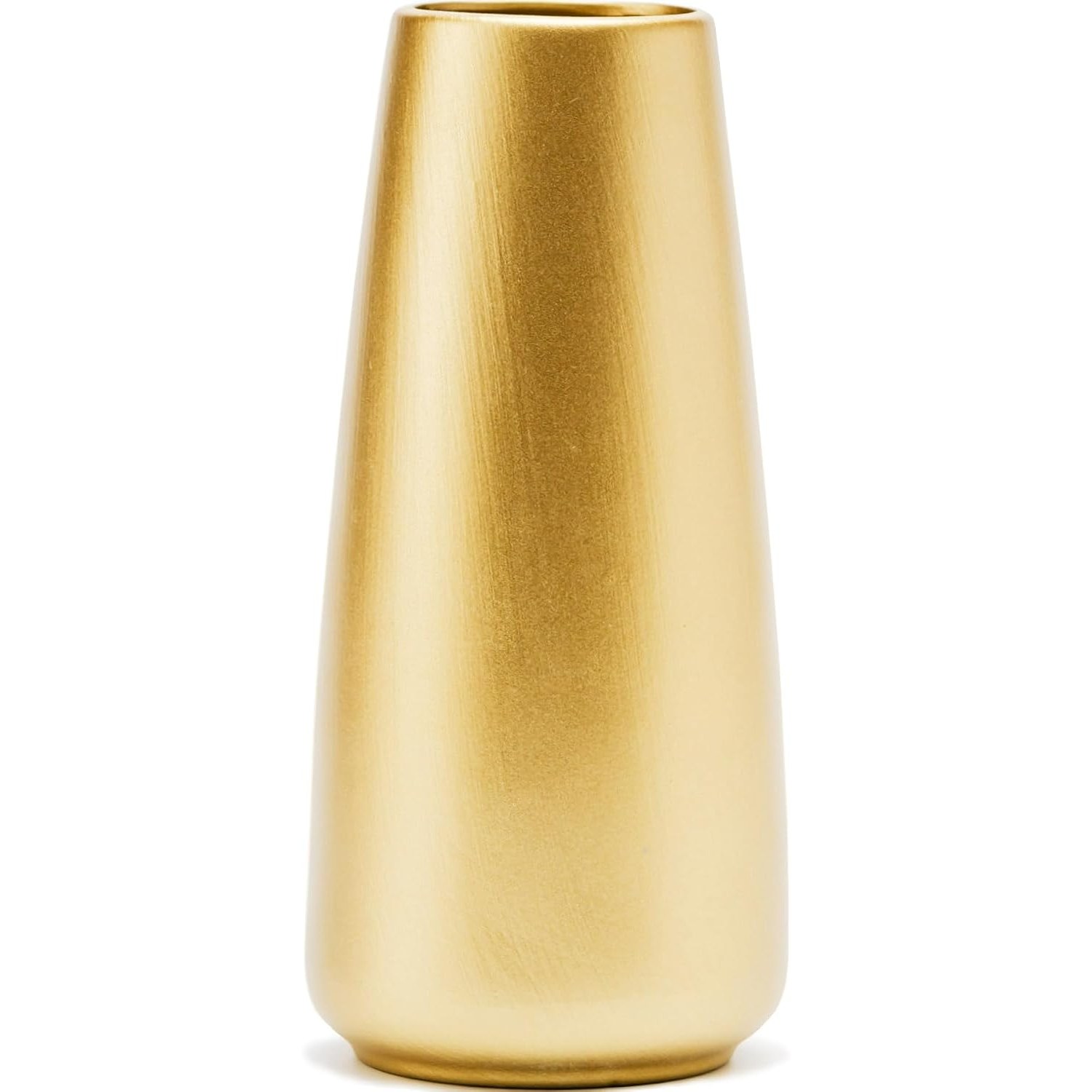
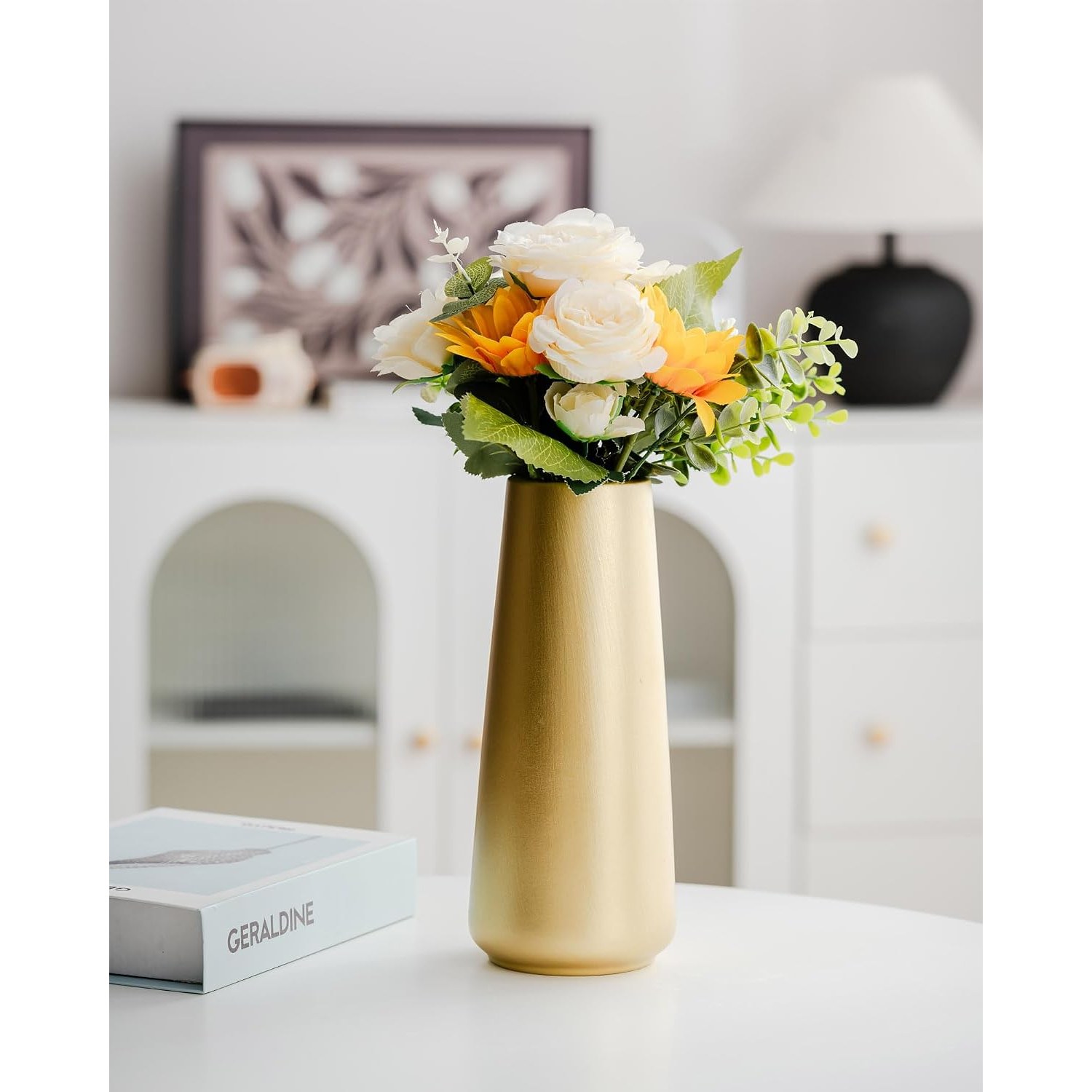
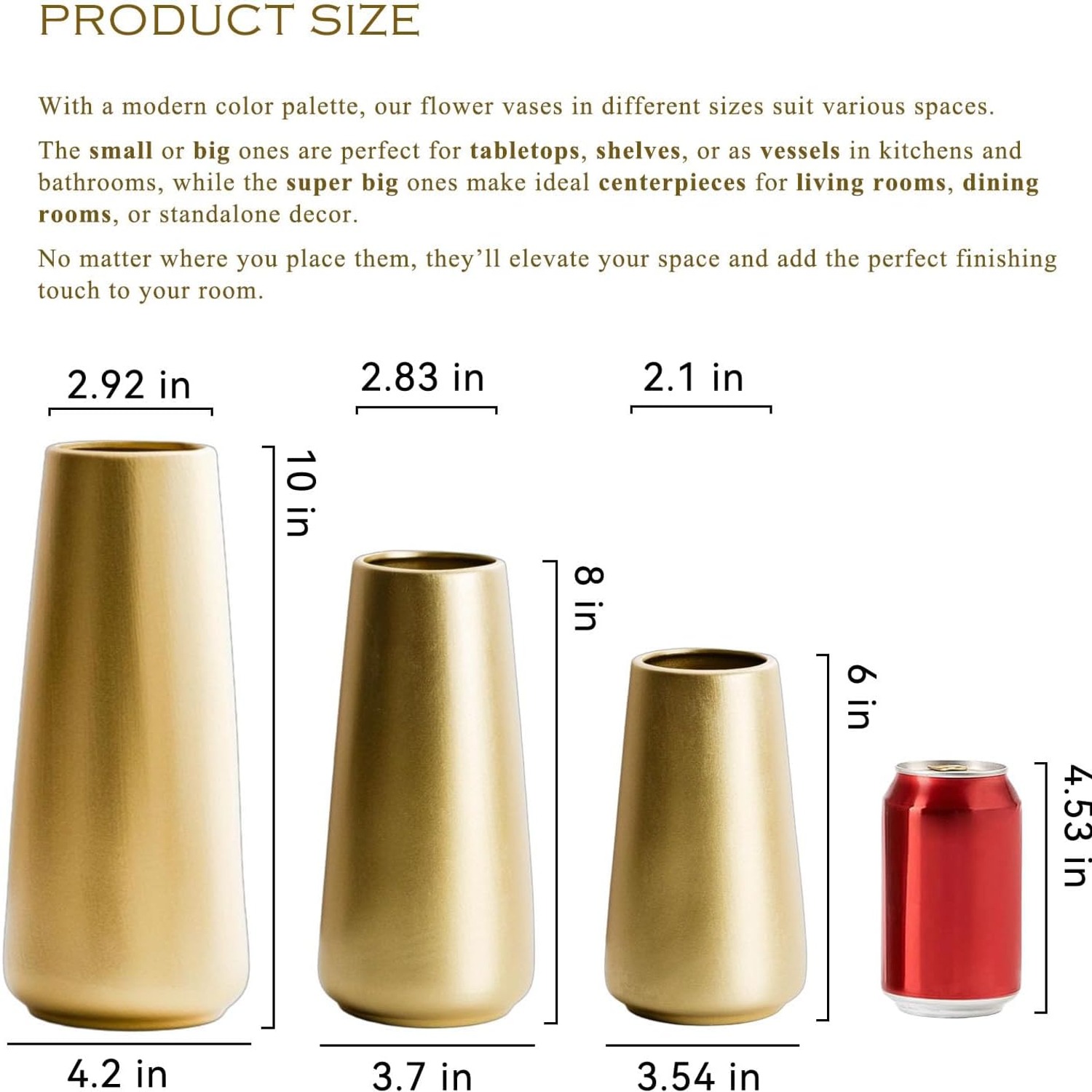
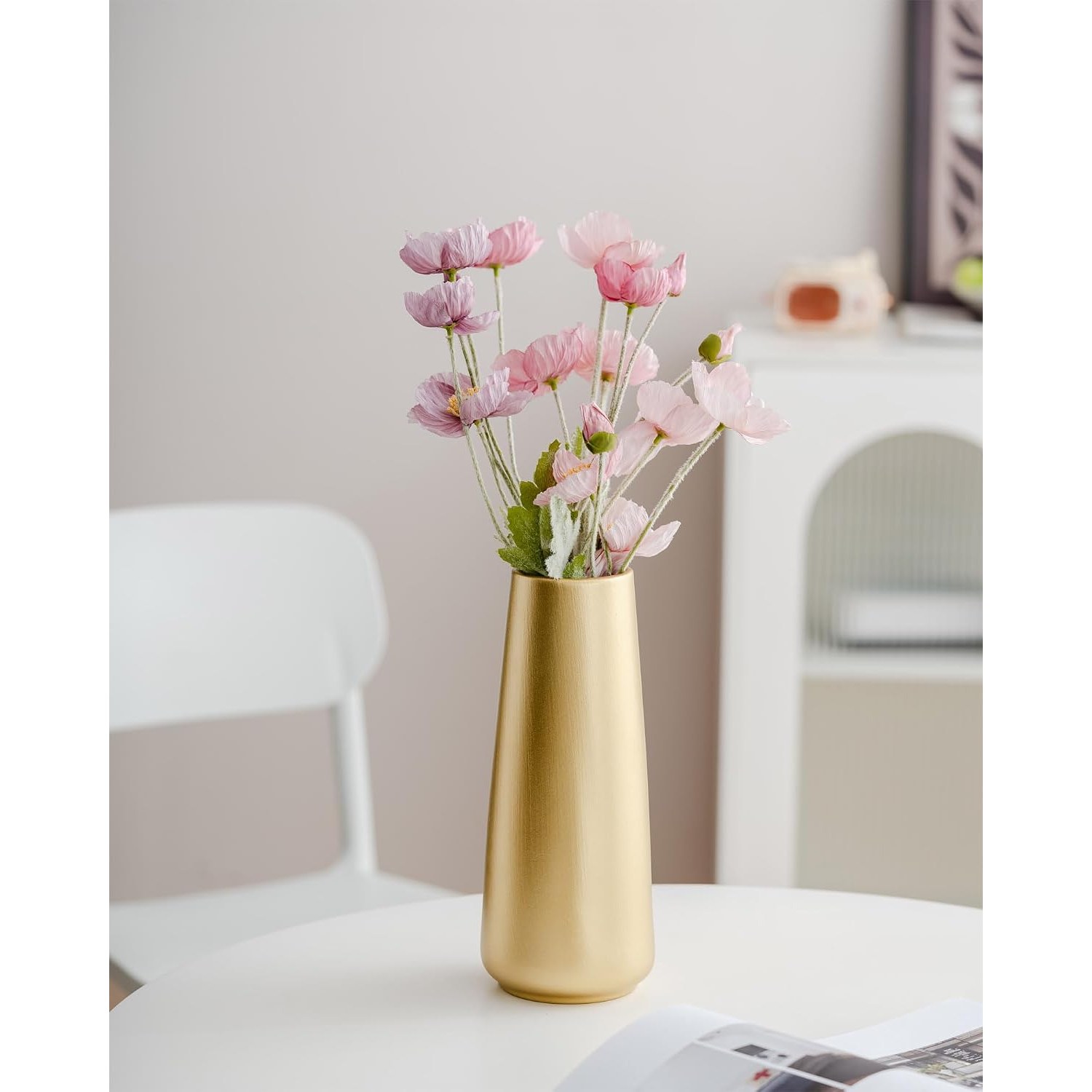
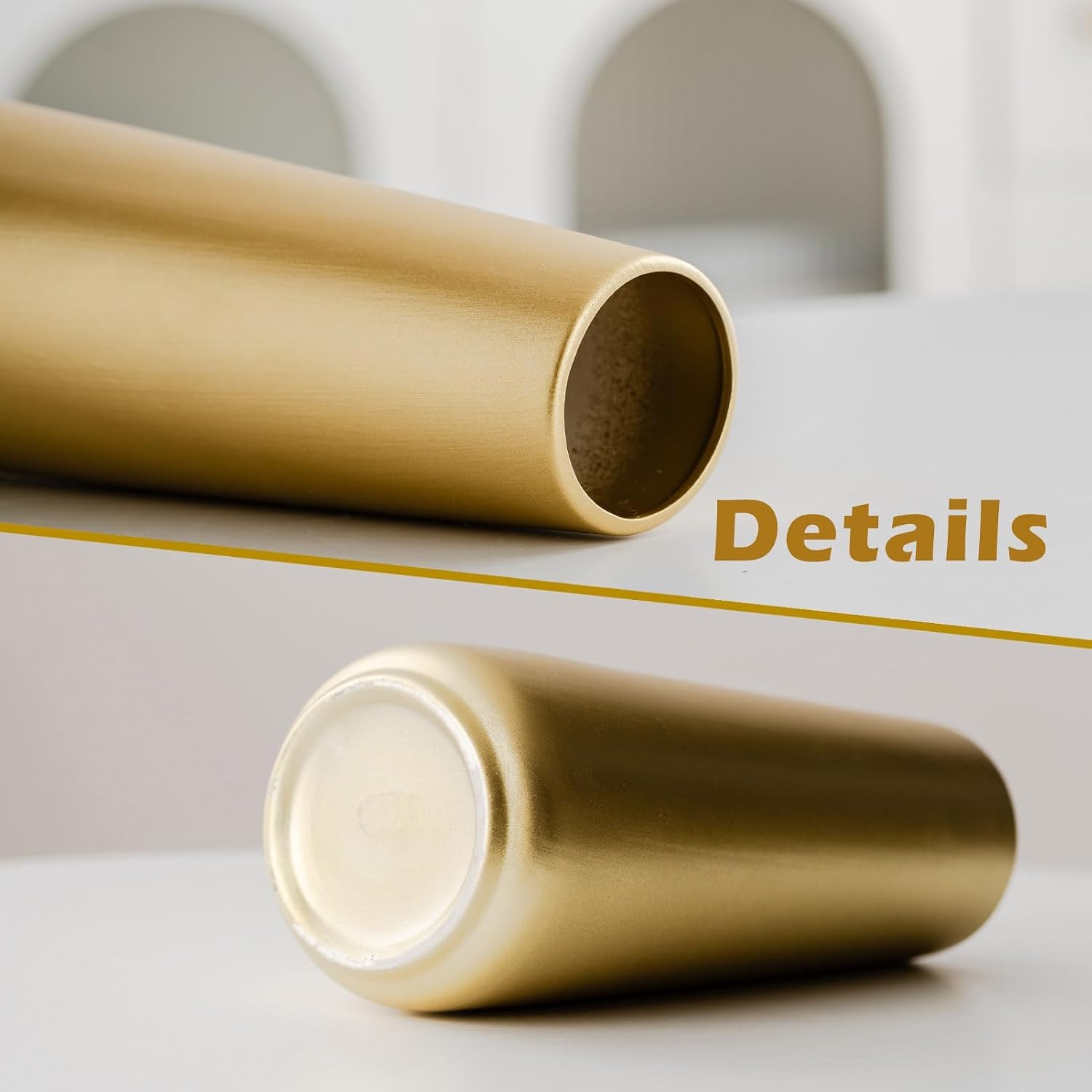
A light gold ceramic vase at 25 cm solves that by staying out of the way. The colour is warm but neutral, the shape is simple, and the height is the one you reach for most often. It is the vase you actually use.
Why 25 cm is a useful height
Height is the spec that decides whether a vase gets used, and it is the one people pay the least attention to.
Short vases, under about 15 cm, only work with short stems. Cut a bunch of roses down that far and you lose most of the arrangement. Very tall vases, over 40 cm, look striking on a floor or a wide console but they block sightlines on a dining table and they need long branches to look balanced.
Twenty-five centimetres sits in the sweet spot. A standard bunch of flowers from a shop usually has stems around 40 to 50 cm long. Drop them into a 25 cm vase and roughly half the stem is supported, with a natural spill of blooms above the rim. You can trim an inch or two and they sit upright instead of flopping sideways.
It also works at eye level when seated. Put it on a dinner table and people can still see each other, which sounds obvious but is the exact reason a lot of expensive centrepieces get moved to the sideboard halfway through the meal.
How a ceramic vase differs from glass
Glass has one advantage. You can see the stems. That is genuinely nice for a few days with tulips or ranunculus, where the green stems are part of the look.
After that, it works against you. Water goes cloudy. Leaves drop and sit at the bottom. The cut ends go soft and brown. With a clear vase, all of that is on display, and the arrangement looks past it well before the flowers actually are.
Ceramic hides the whole lower half. You get the flowers and nothing else, which keeps a bunch looking presentable for its full life. The solid body also blocks light at the waterline, which slows the algae growth that turns glass water green.
Weight matters too. Ceramic sits heavier on the base than thin glass, so it is harder to knock over with a sleeve, a bag or a passing pet. If you have a busy household, that is a practical point rather than a fussy one.
Where to put it
A few spots suit a 25 cm vase particularly well.
The dining table is the obvious one. Centred, with a loose seasonal bunch, it does the whole job. If your table is long, two vases spaced apart look better than one marooned in the middle.
A console or hall table is the next best. People see it as they come in and go out, and the height gives it presence against a wall without needing a huge arrangement.
Mantels work if the ledge is deep enough, around 15 cm or more. A vase this height balances the vertical space above a fireplace nicely, especially next to a mirror or a leaning frame.
Bedrooms and bathrooms are underrated. A few dried stems on a chest of drawers or a bathroom bench needs no maintenance at all, and a neutral gold piece suits both rooms without looking out of place.
Choosing what to put in it
Think about the vase in three modes.
Fresh flowers are the straightforward one. Fill it about two thirds, trim stems on an angle, strip any leaves that would sit under the water, and change the water every two or three days. That habit alone adds days to a bouquet.
Dried stems are the low-effort mode. Pampas, bunny tails, wheat, preserved eucalyptus and dried hydrangea all suit a plain ceramic body, and they will sit there for months. No water needed, which also means no water marks inside.
Faux florals are the set-and-forget mode. Quality has improved a lot, and a good faux stem at a distance of more than a metre is hard to pick. Put them in and forget about them. A dusting every so often is the only upkeep.
One tip for all three: odd numbers of stems generally look more natural than even. Three, five or seven large blooms reads better than four or six. It is a styling habit florists use constantly.
Styling it so it does not look lonely
A single vase on a wide empty surface often looks like something went missing. The fix is grouping.
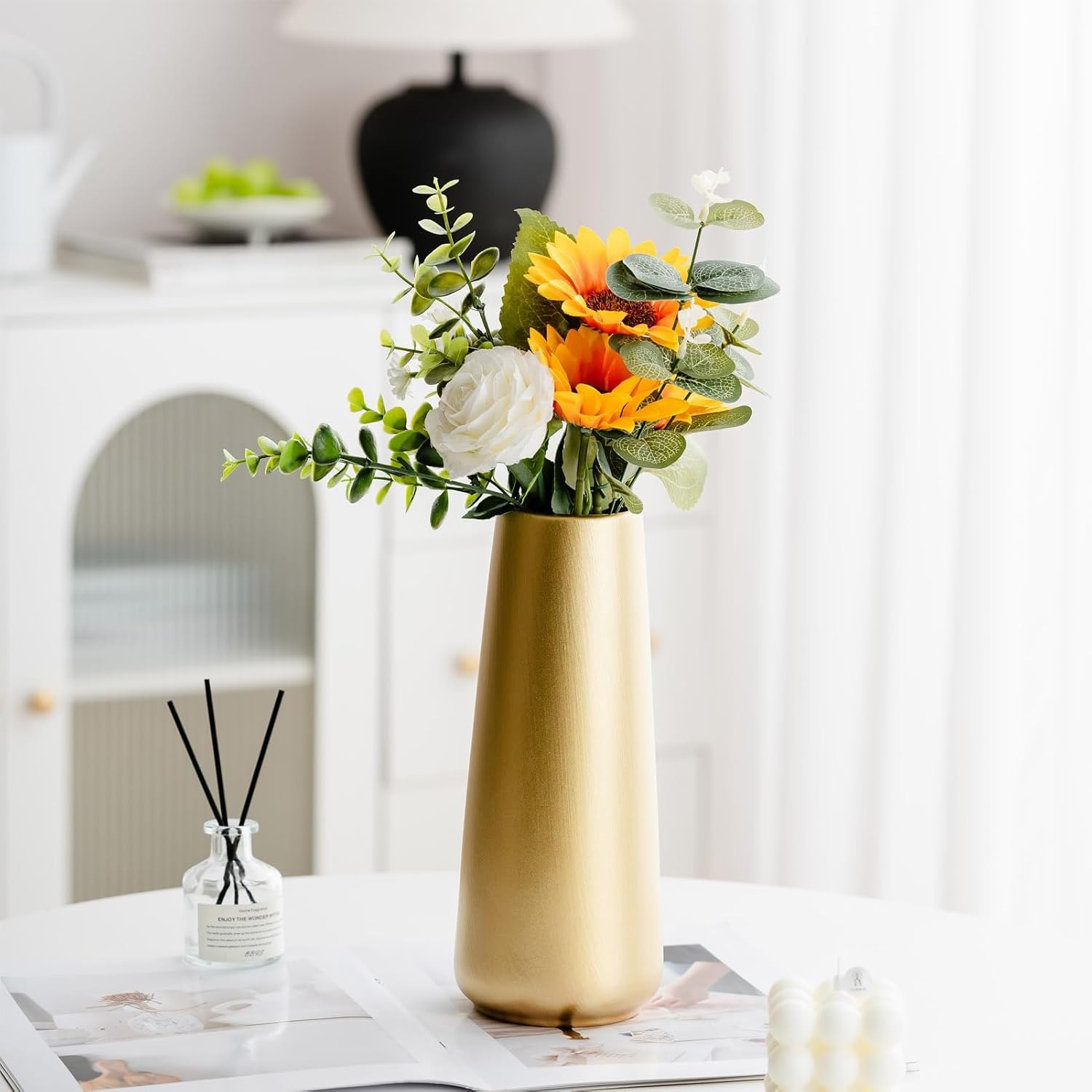
Pair it with one lower object, like a stack of two books, a small bowl or a candle. The difference in height creates a little triangle and the arrangement looks intentional. Three objects of three different heights is the classic version, but two works fine and is easier to live with.
If you buy two of the same vase, vary what goes in them. One full, one with a single stem, or one empty. Identical and identically filled looks like a shop display.
Gold likes company of a similar tone. If you already have brass handles, a warm lamp base or timber in the room, the vase will tie into them without any effort on your part. Against an all-cool palette of greys and chrome, it reads as a deliberate accent, which also works, just with more contrast.
Keeping it in good condition
Ceramic is easy to look after and easy to chip, so the care routine is mostly about handling.
Clean the outside with a soft cloth, dry or barely damp. Clean the inside by hand with warm water and a drop of mild dish soap. A bottle brush helps if the neck is narrow. Rinse properly, because soap residue left in the base can shorten the life of the next bunch of flowers.
Skip the dishwasher. The heat and the harsh detergent will dull a glaze over time, and there is no real time saving for a single item.
If mineral deposits build up from hard water, a soak with white vinegar and warm water for an hour will usually soften them enough to brush out. Do not use abrasive scourers on the inside or the outside.
Store it empty and dry. Stacking anything inside it is a chipping risk, and standing water left for weeks will leave a tidemark that is annoying to shift.
Carry it with two hands when it is full. A ceramic vase holding water is heavier than it looks, and the most common breakage happens on the way to the sink, not on the shelf.
The short version
This is a 25 cm light gold ceramic vase with a simple glazed finish. It holds water, so fresh flowers, dried stems and faux florals are all options. The height suits dining tables, consoles, mantels and bedside surfaces, and the neutral gold tone sits comfortably in most rooms without needing anything else to change.
Ceramic hides the messy part of an arrangement and holds its ground better than light glass. Care is simple: hand wash, dry properly, keep it off the edge of the bench.
If you want one vase that gets used rather than stored, a plain mid-height piece in a forgiving colour is the one to buy. This is that vase.