
The complete guide
How to Choose a Linen Look Cushion Cover That Actually Works in Your Room
The problem with cushions, honestly
Cushions are the cheapest way to change a room and the easiest way to get it wrong. Most people buy whole cushions, fill and all, use them for two years, then throw the lot out because the cover has gone grubby while the insert is still perfectly fine. That is a waste of money and a waste of a good insert.
Covers solve this. You keep the inserts, you swap the outer layer, and you store the off-season covers flat in a drawer instead of stacking bulky cushions in a cupboard. A plain linen look cushion cover is the most useful version of this idea, because solid colours do not date the way prints do.
The other problem is linen itself. Real flax linen looks wonderful in a photograph taken thirty seconds after the stylist left. In a real living room it creases the moment someone sits down, it costs a lot, and it needs ironing if you care about how it looks. Some people love that relaxed, rumpled quality. Plenty of others want the texture without the laundry.
What a linen look weave actually is
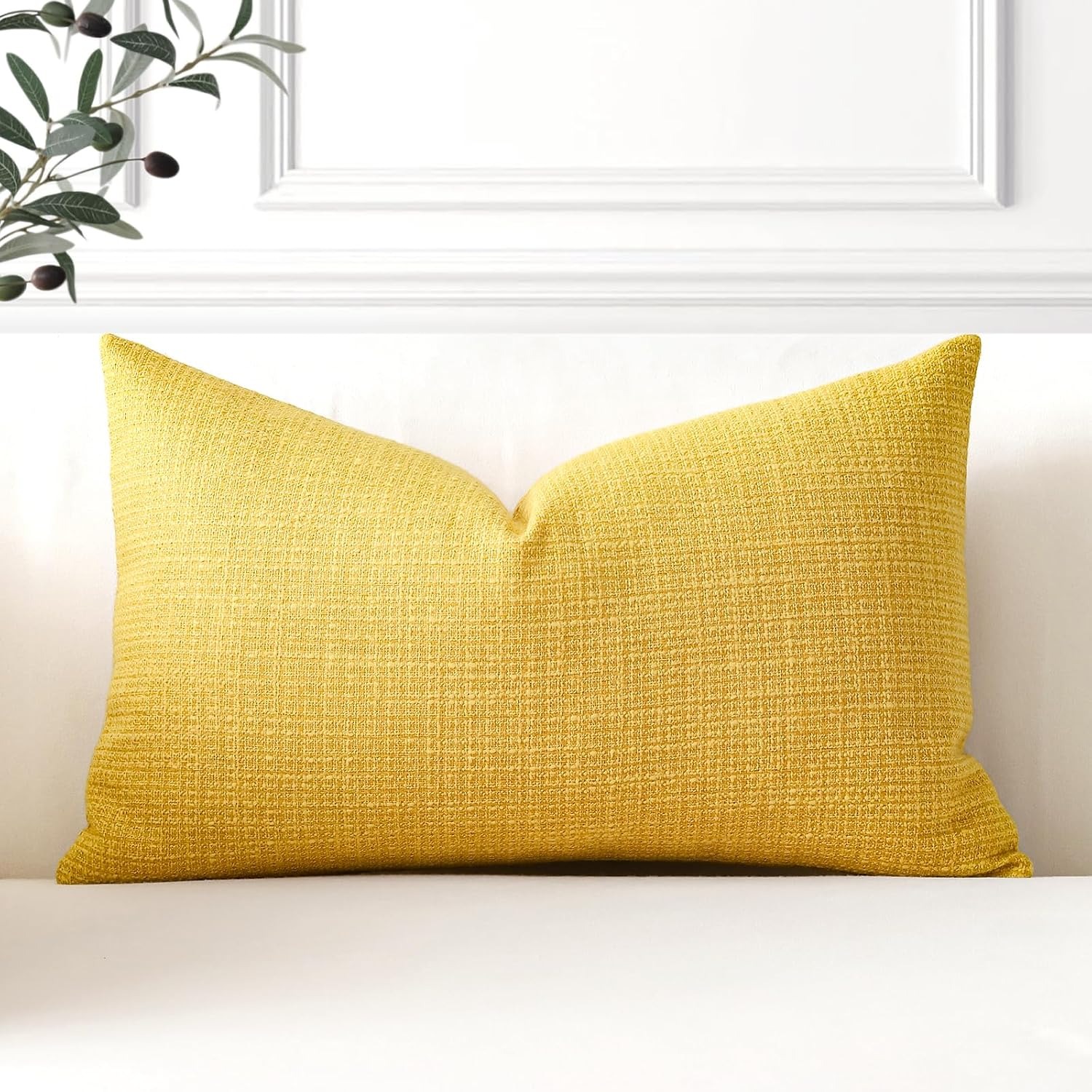
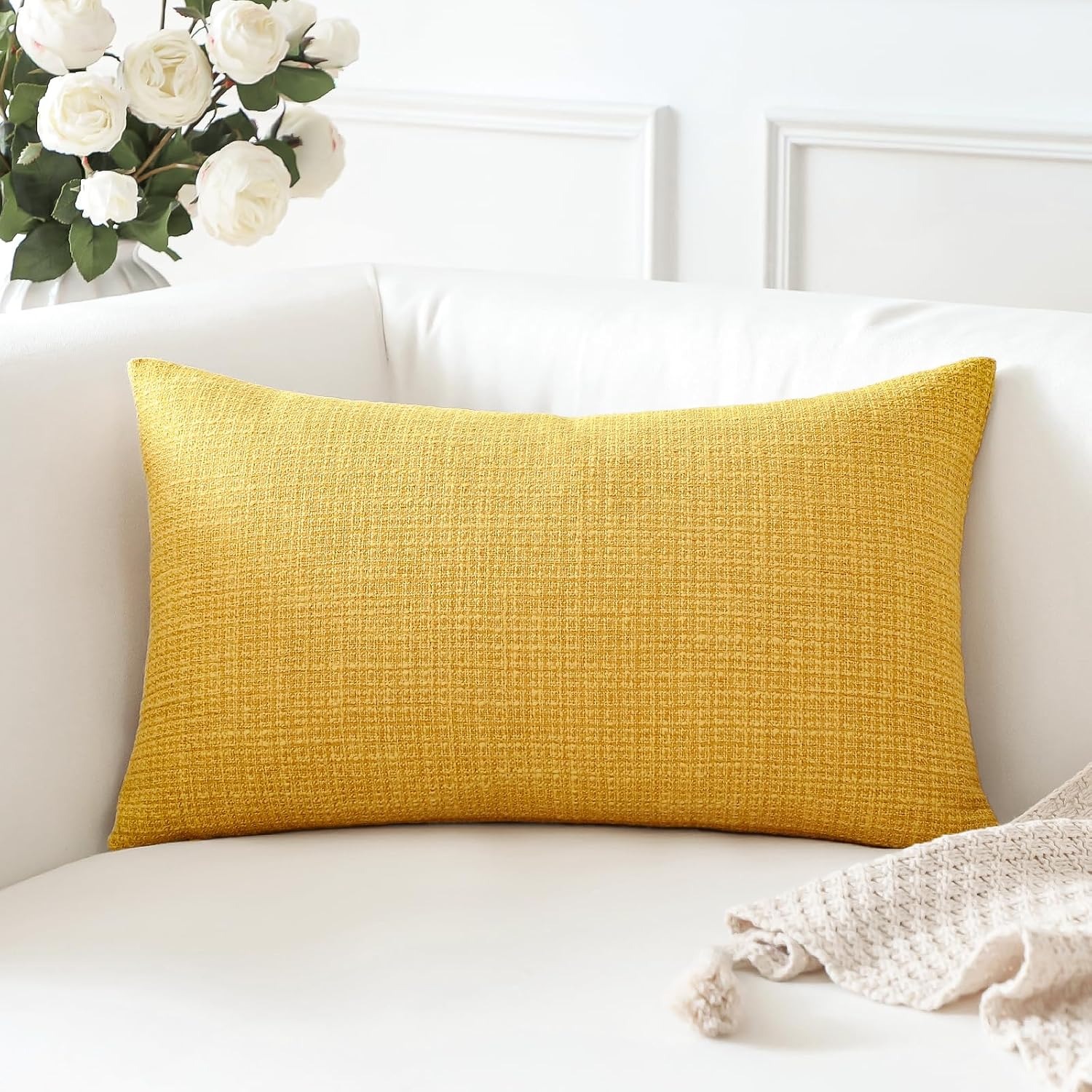
This cover is polyester fibre woven to resemble a linen weave. The maker says so plainly, and so do we. It is not pure linen and it is not sold as linen.
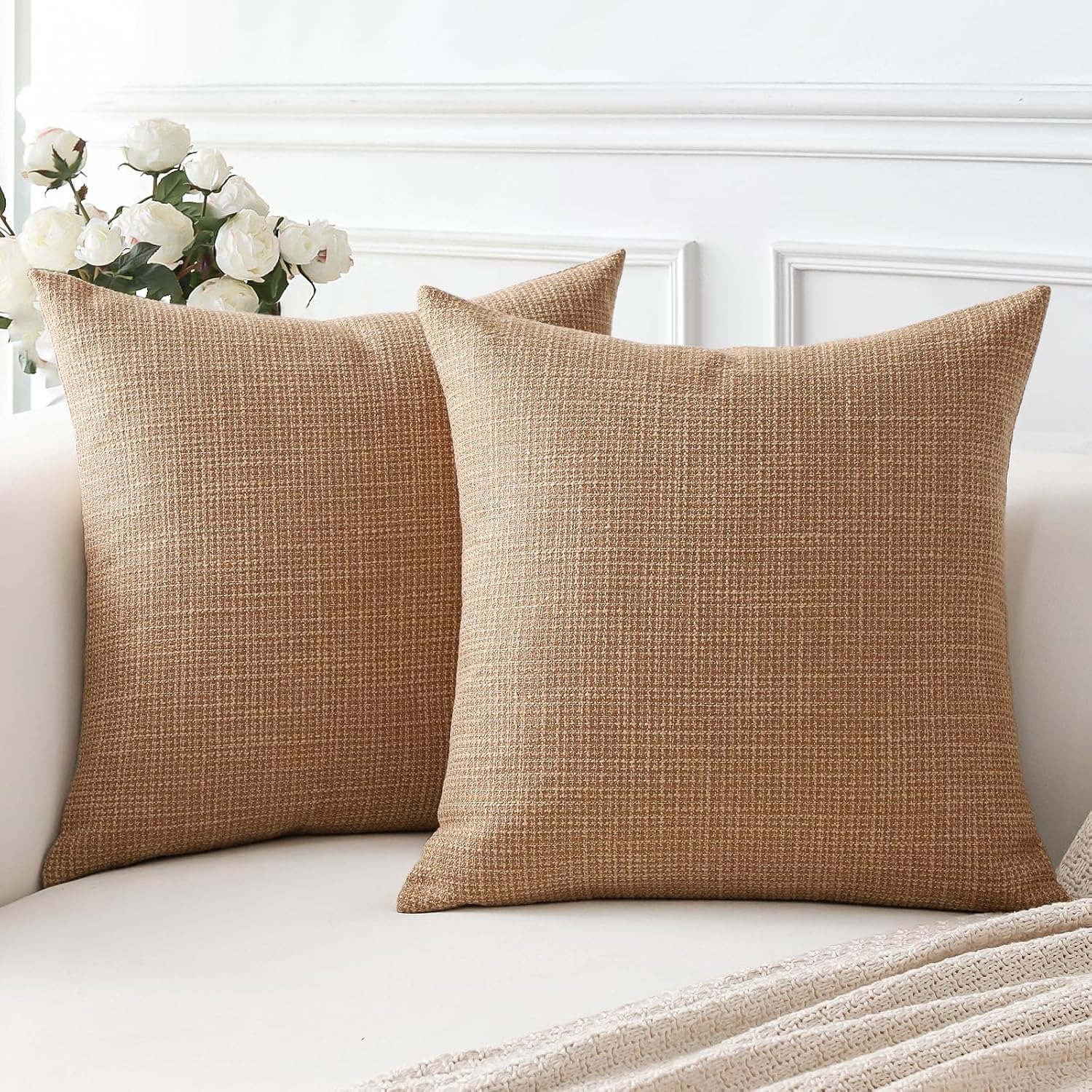
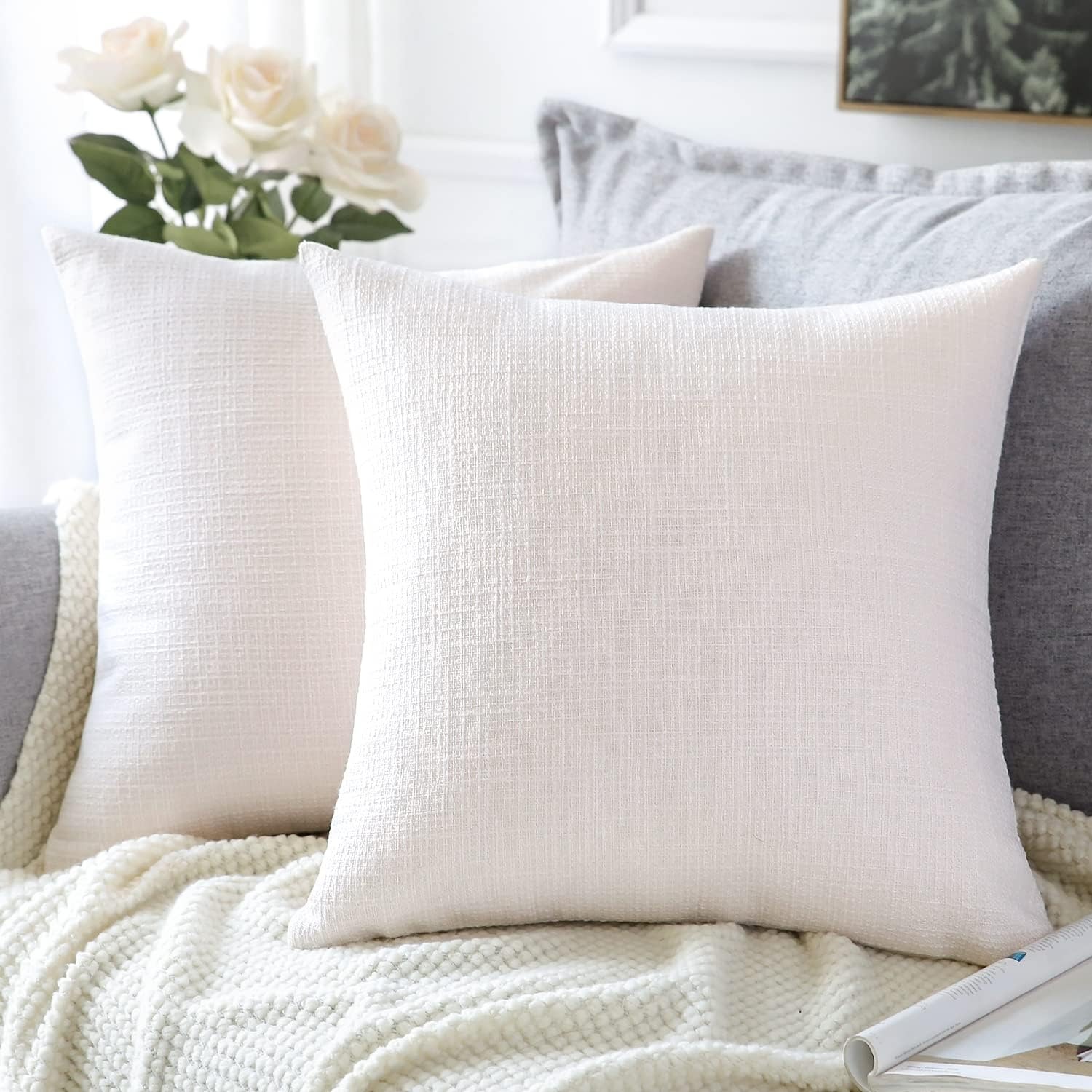
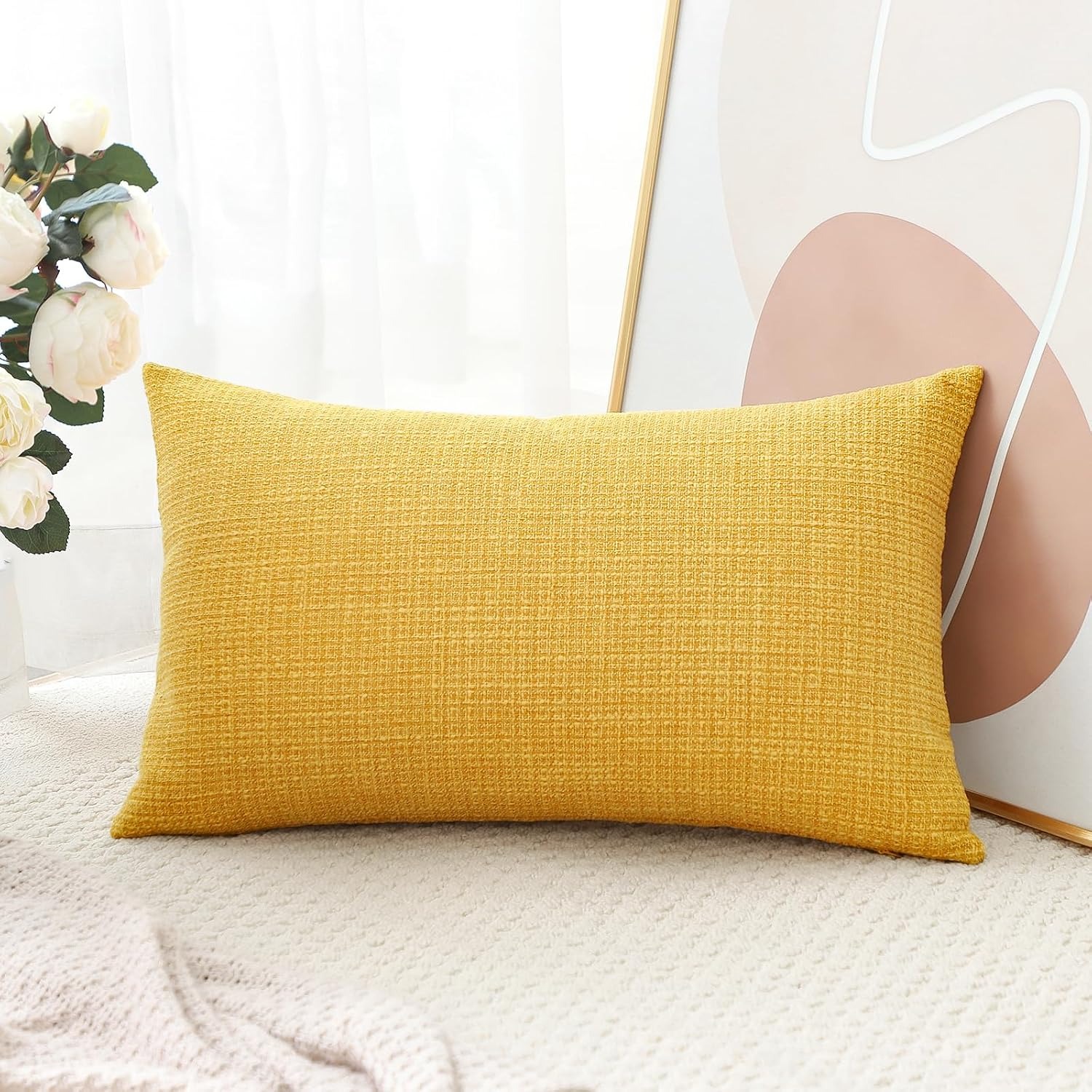
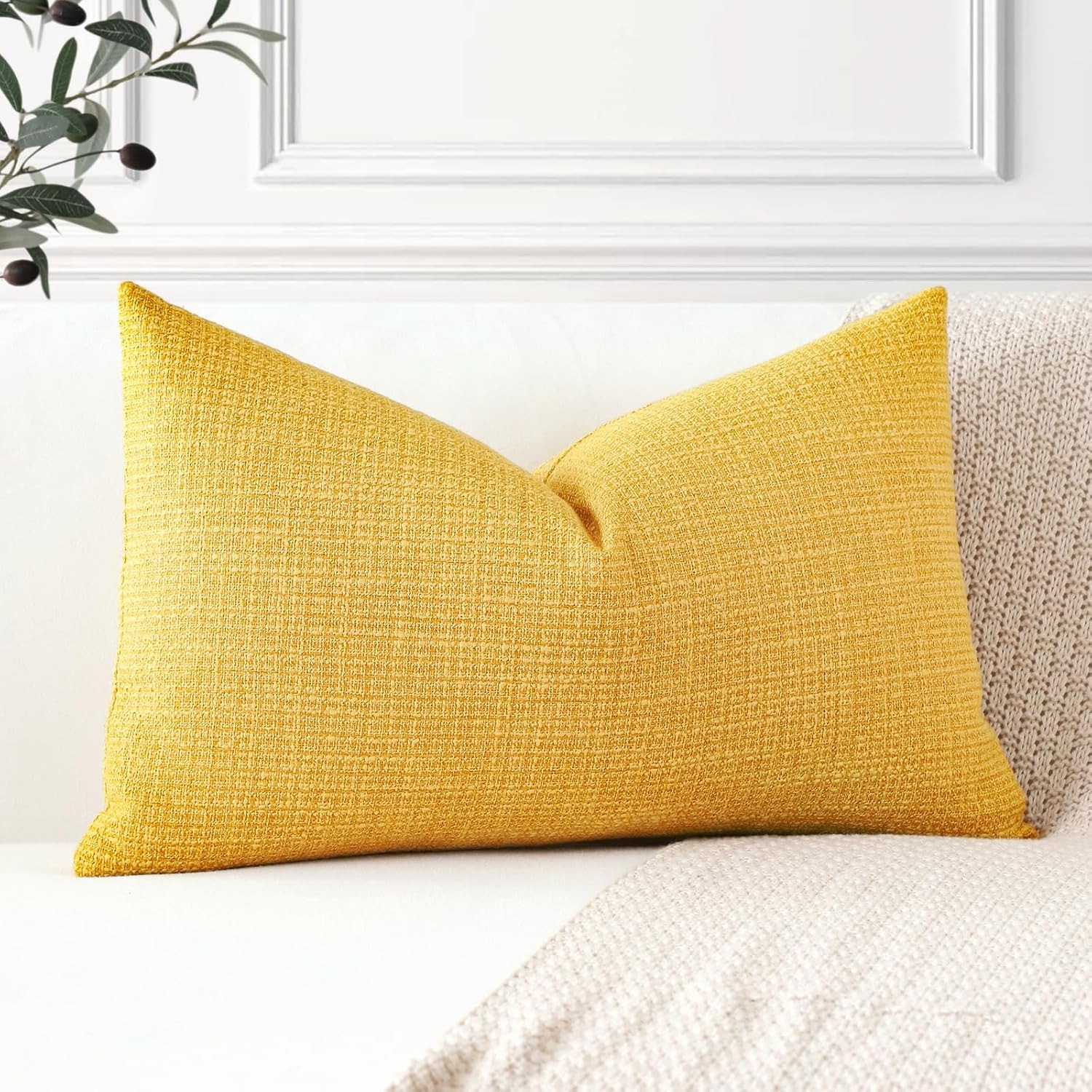
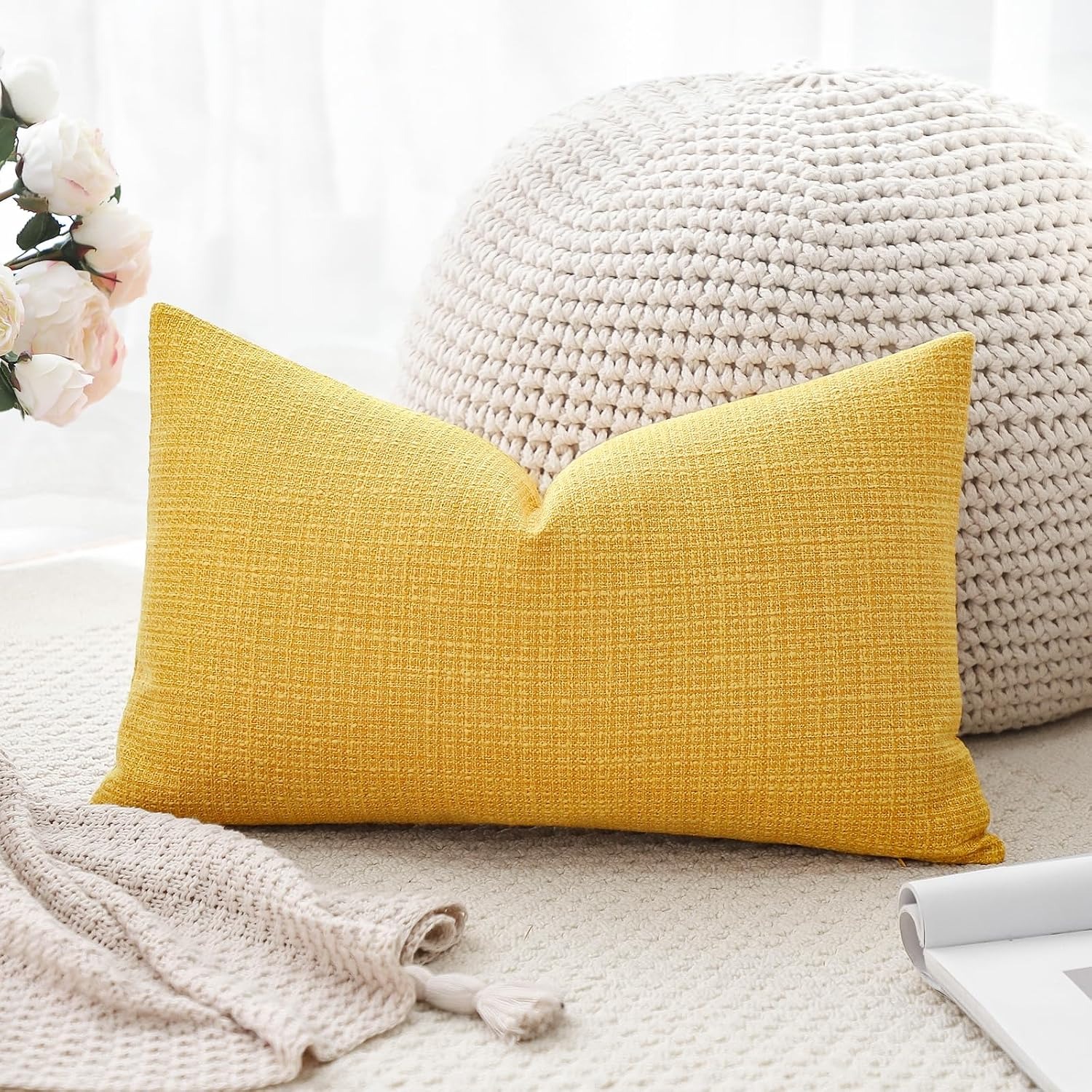
What that means in practice is a surface with a slightly uneven, matte texture rather than the flat sheen you get from a cheap plain polyester. Up close you can see the weave structure. From across the room it reads as linen. The difference shows in how it behaves rather than how it looks. Polyester fibre springs back from creasing, resists linting, and takes a machine wash without shrinking or going soft and limp.
There is a trade-off and it is worth naming. Flax linen gets softer and more characterful over years of washing. A synthetic weave stays much the same. If the slow ageing of natural fibre is the thing you want, buy flax. If you want texture that stays tidy with minimal effort, a polyester linen weave cover is the better buy.
Why plain beats patterned more often than you think
Walk into any room that looks genuinely put together and count the patterns. There will not be many. Usually there is one busy element, maybe a rug or a piece of art, and everything else is quiet.
Solid colour cushion covers are the quiet part. They sit beside your busier pieces and give the eye somewhere to land. They also age better, because a plain weave does not belong to a particular season or trend the way a printed design does. A patterned cushion you loved in 2021 can look dated now. A plain textured one just looks like a cushion.
If you already own patterned cushions you like, adding two or three plain covers around them is usually the fastest way to make the sofa look deliberate. You are not adding more, you are adding breathing room.
The hidden zip matters more than it sounds
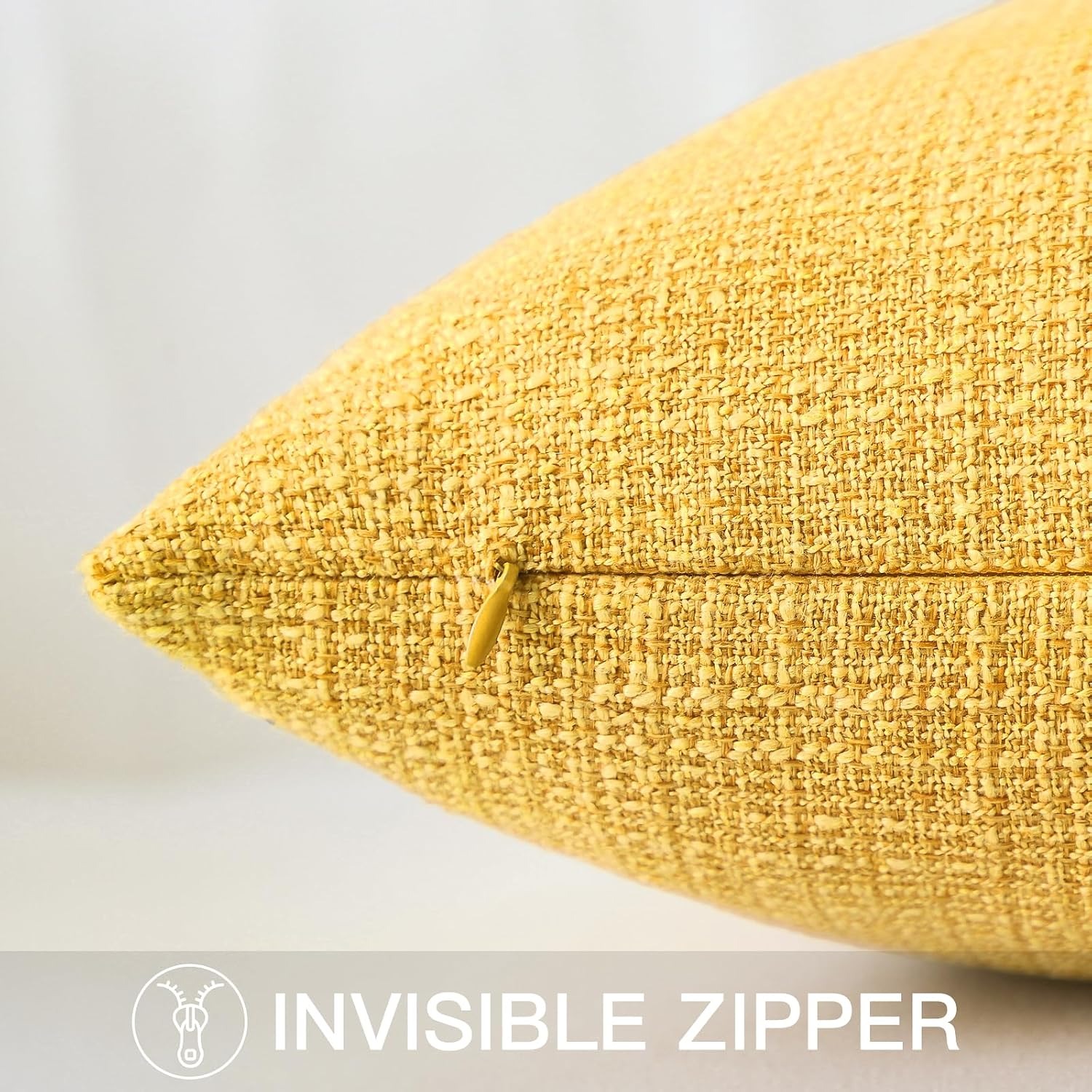
Cushion closures come in a few forms. Envelope backs have no hardware but gape open when the insert is soft. Exposed zips are fine on a utility cushion but look cheap on a sofa. A hidden zip, set into the seam and colour matched to the fabric, is the version that disappears.
This cover uses the hidden zip approach with the zip tape matched to the fabric colour. The practical benefit is that you can face the zip in any direction without worrying about it. The other benefit is that it is quick. Open, pull the insert out, wash the cover, put it back. Nothing to tie, nothing to tuck.
One habit worth building: always close the zip before the cover goes into the washing machine. An open slider can catch threads on the weave or on other items in the load.
Picking the right insert
The cover comes without an insert, which trips some people up. It is not a cost-cutting trick, it is how cushion covers are normally sold. It lets you keep inserts you already own.
Three fill types cover almost everyone. Feather and down gives the softest, most relaxed shape, the kind you karate-chop across the top and leave with a dent. Polyester fill is firmer, cheaper, and holds a neat shape without any plumping. Latex or foam inserts are the sensible choice for households where feathers cause a reaction, and they hold their shape for years.
The sizing rule is simple. Match the insert to the cover size, or go slightly bigger. An insert the same size as the cover gives a correct, slightly soft look. An insert 2 to 5 cm larger on each dimension gives the plump, filled-corner look you see in interiors photography. An insert that is smaller than the cover always looks sad and flat, with empty corners that no amount of fluffing will fix.
Measure your current insert across the seams, not around the puffed middle, or you will end up ordering the wrong size.
Where these covers earn their keep
Sofas and armchairs are the obvious home. A rectangular cover used as a lumbar cushion behind your lower back is genuinely comfortable for reading or working from the couch, not just decorative.
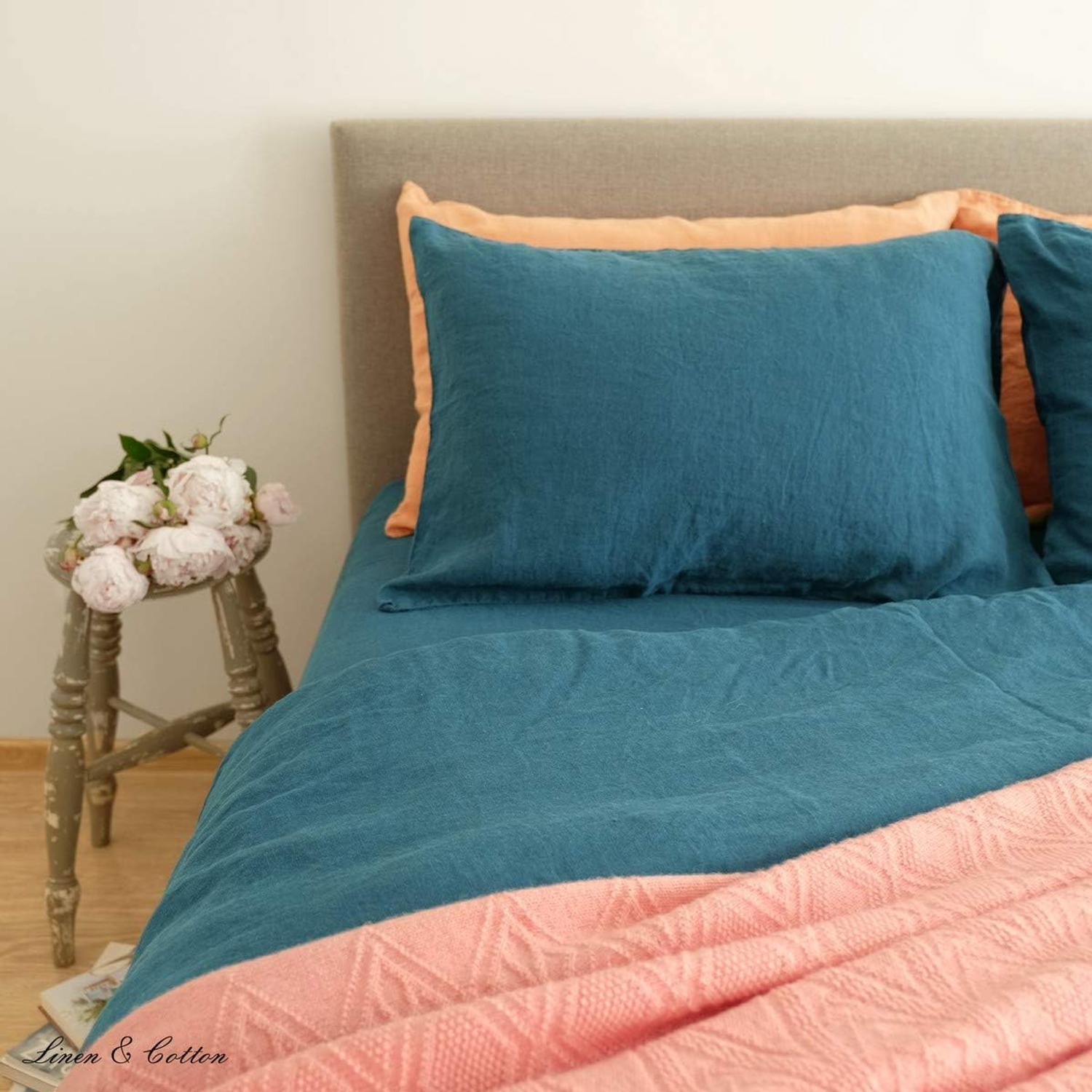
Beds are the second place. A couple of textured cushion covers at the head of a bed, over the pillows, makes a made bed look finished in about four seconds. Because the face is plain, it sits happily against patterned bedding or a quilted throw.
Beyond that, these work on desk chairs, dining chair seats, window seats, bench seating in a hallway, and covered outdoor areas. For outdoor use, keep them under cover and bring them in during rain or long stretches of strong sun. No fabric survives weeks of direct UV without fading.
Keeping it looking good
Care is deliberately simple. Machine wash in cold or warm water on a gentle cycle with similar colours. Skip the bleach entirely. Wash the cover on its own, separate from the insert, because inserts take a long time to dry properly and can go lumpy.
Dry on low heat or on the line. Pull the cover back into shape while it is still a bit damp and hang it by the seam rather than pegging the face, which can leave marks. Most of the time it will not need pressing. If you want it crisp, a warm iron on the reverse side is enough.
Rotate your covers if you own a few. The one on the end of the sofa by the window will fade faster than the rest, so swapping positions every few months keeps the set looking even.
The short version
This is a single cushion cover, not a whole cushion. It is polyester fibre woven for a linen look, so you get the texture and the matte finish without the creasing and the ironing that real flax brings. The face is a solid colour, the zip is hidden and colour matched, and the whole thing goes in the washing machine.
Buy the right insert size, keep it out of bleach and harsh heat, and it will sit quietly in your room doing its job for years. That is really all a good cushion cover needs to do.