
The complete guide
How To Choose A Marble Ruffle Bowl That Actually Gets Used
The problem with most decorative bowls
Most decorative bowls fail in one of two ways. Either they look good and are useless, or they are useful and look like nothing. The first kind ends up on a high shelf gathering dust because you are afraid to put anything in it. The second kind sits on the bench holding garlic and is invisible within a week.
A bowl carved from solid marble sits in a happier middle. It has enough presence to hold a surface on its own, with nothing in it. But it is also genuinely practical, because the polished stone wipes clean and the weight keeps it from sliding around. That combination is rarer than it sounds.
There is a second problem too. A lot of homewares that look like stone are not stone. They are resin with a printed pattern, or a thin veneer glued over something cheap. They photograph beautifully and then feel like a toy in your hand. Weight is the tell. Real stone has a density you notice the moment you pick it up, and a coolness that does not go away after a few seconds.
What makes this one different
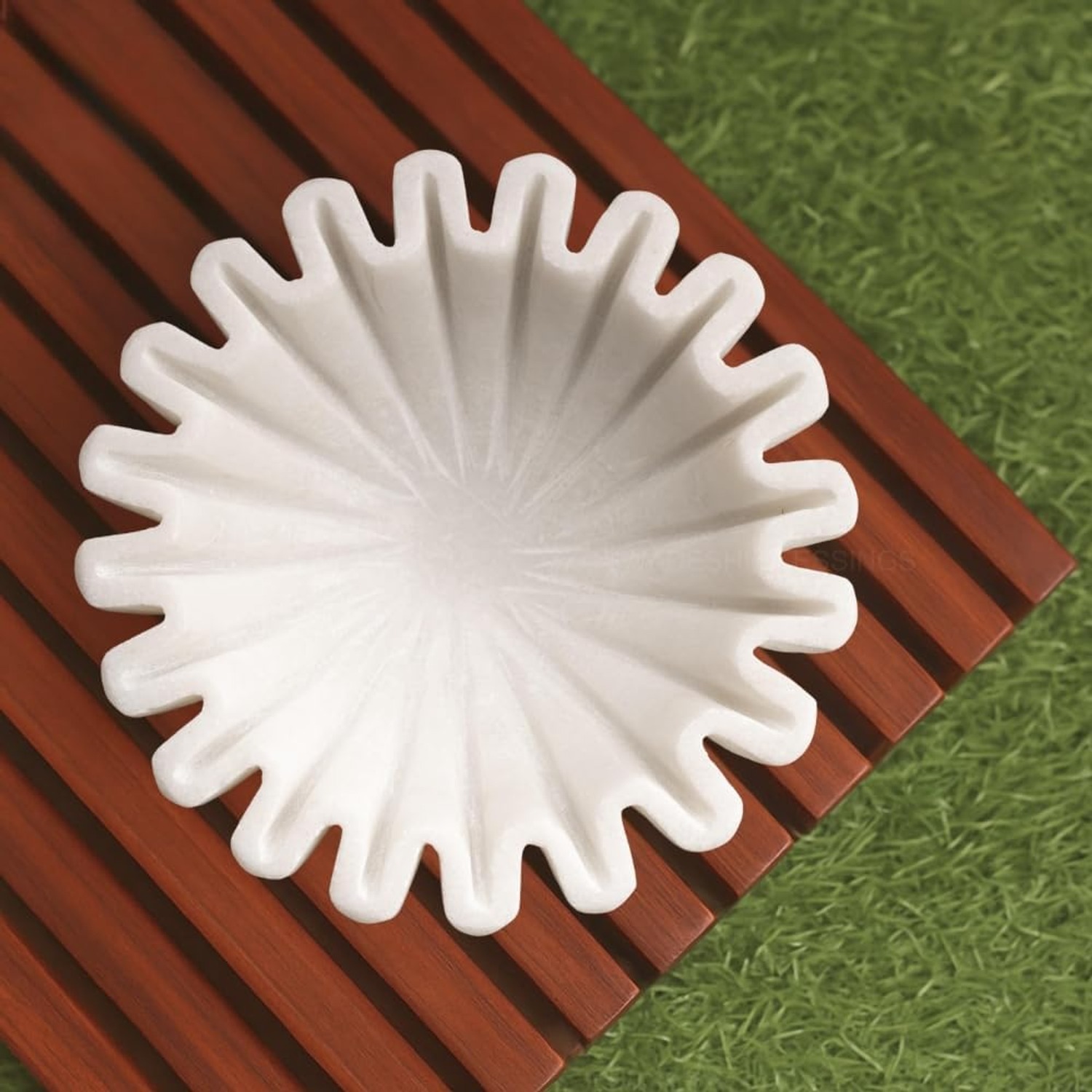
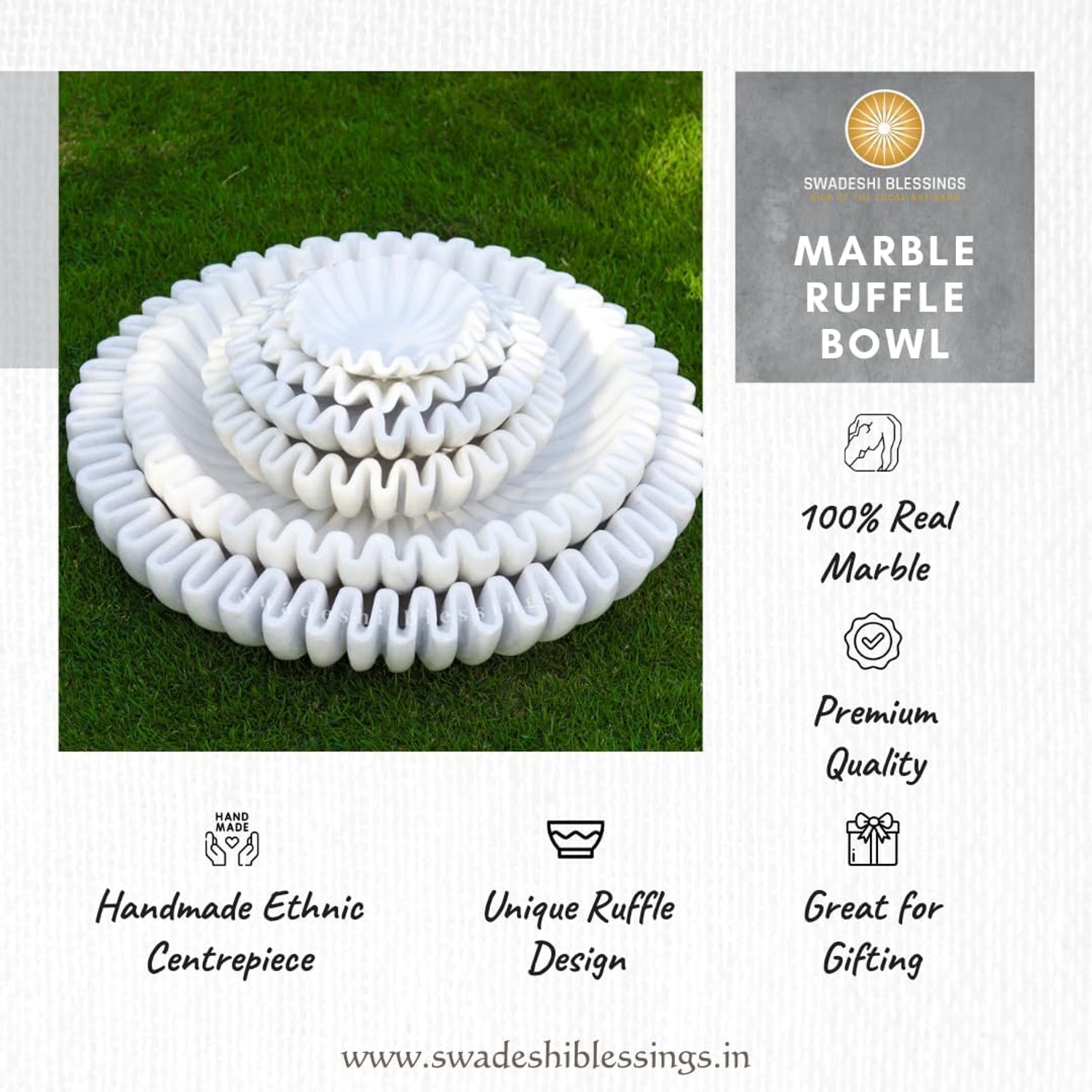
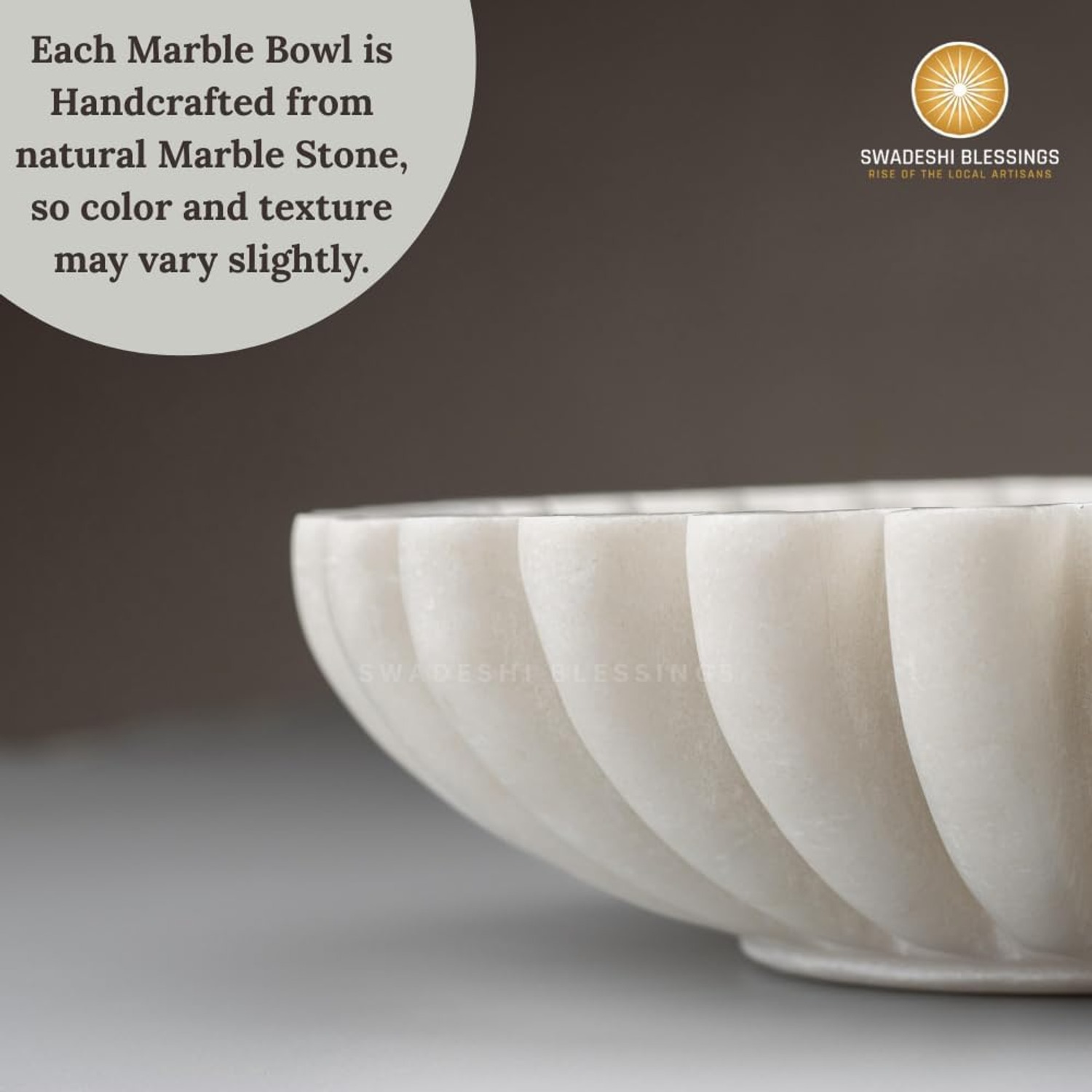
The ruffled rim is the obvious feature. Instead of a plain circular edge, the lip rises and falls in soft waves, so the silhouette reads as something gathered rather than something cut. It is a bit of a trick, really, hard material pretending to be soft, and it is why this shape has stayed popular in interiors for decades.
The finish is the less obvious feature, and arguably the more important one. The surface is rubbed back and polished by hand rather than coated with a chemical glaze. That gives the stone a depth you can see into, instead of a shine that sits on top of it. It also means nothing can peel, cloud or flake off down the track.
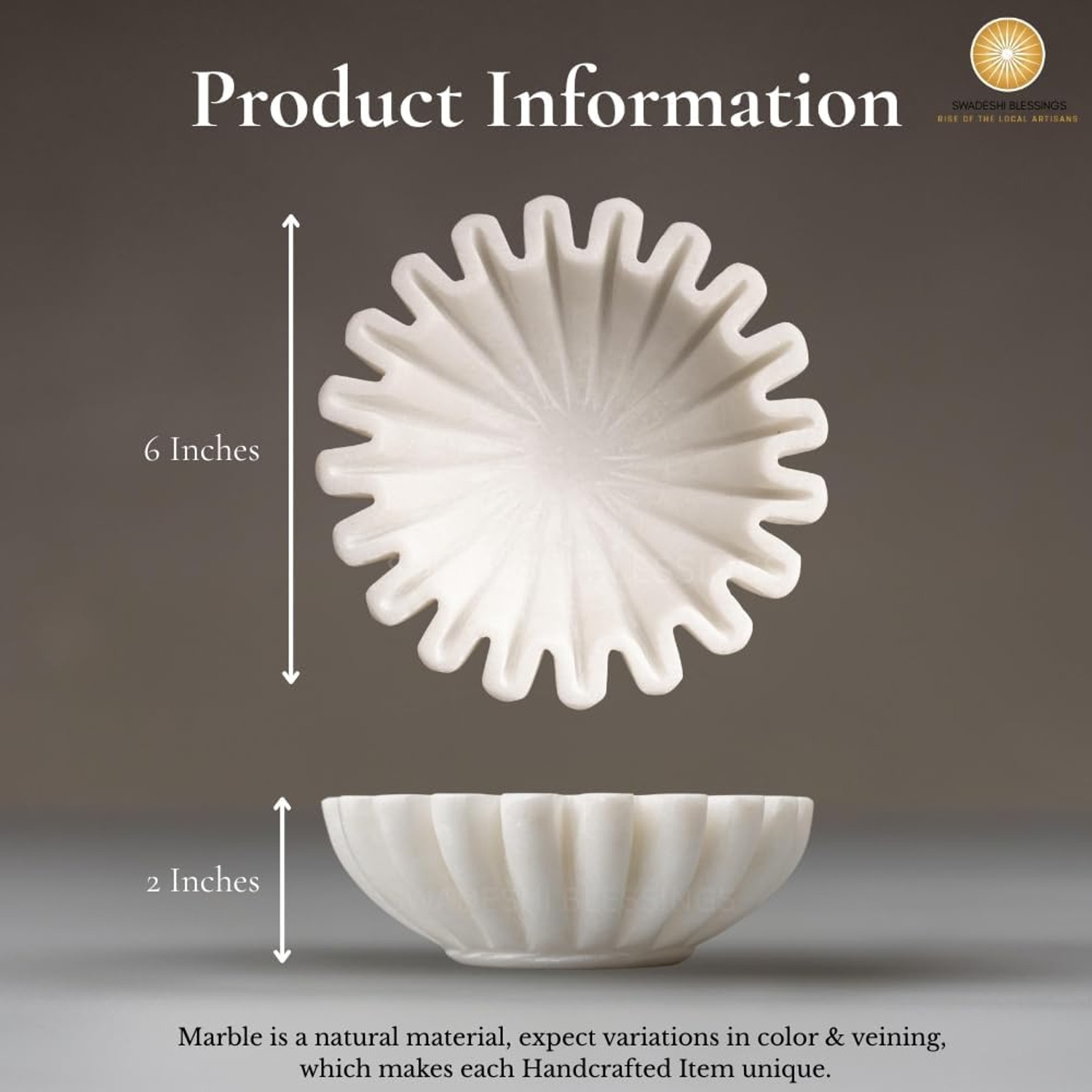
And because the stone is natural, your bowl will have its own veining. Grey threads, warm patches, faint cloudiness, whatever the block happened to contain. If you want ten identical units, this is the wrong category of object entirely. If you want something that feels like it came from somewhere, this is exactly right.
Who it suits
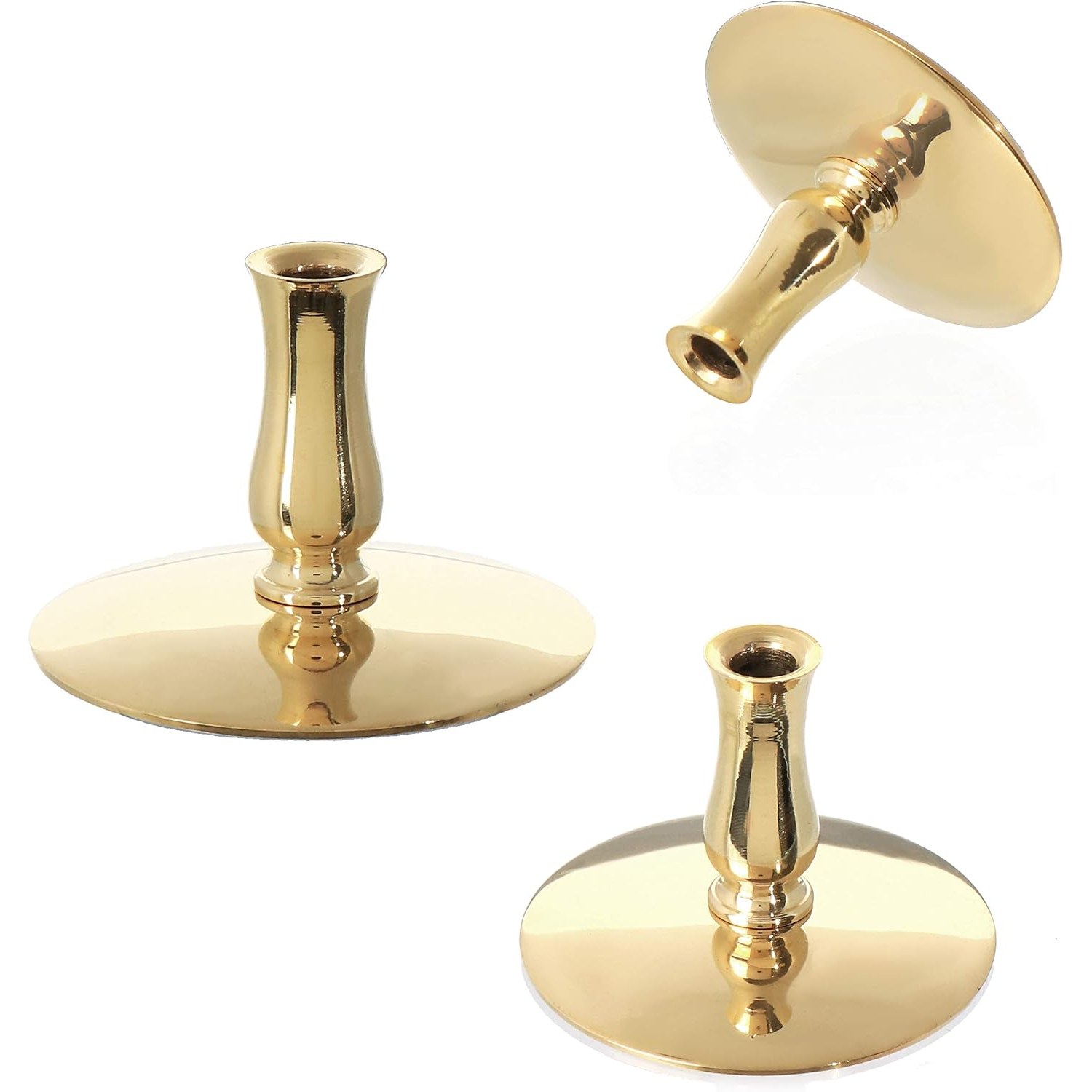
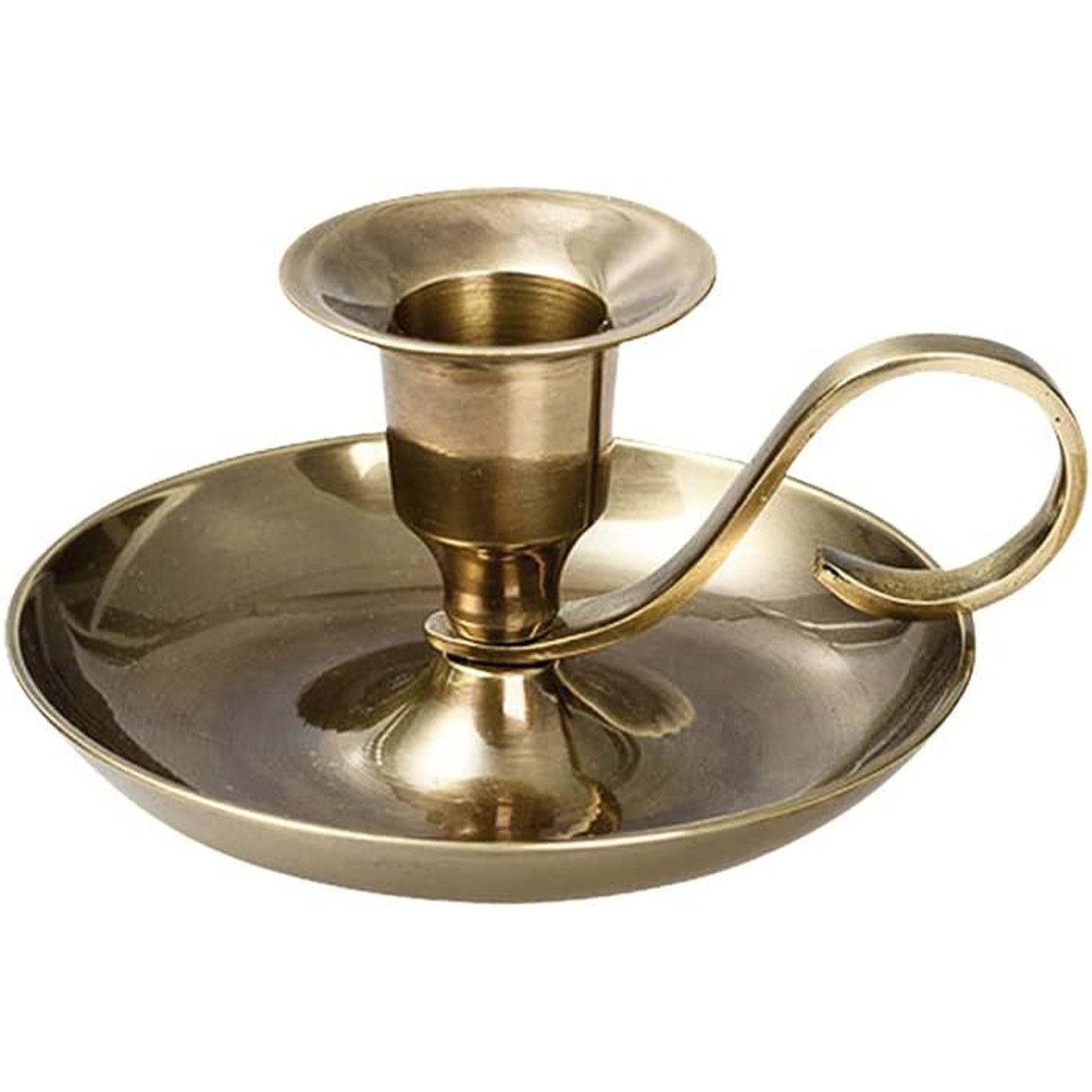
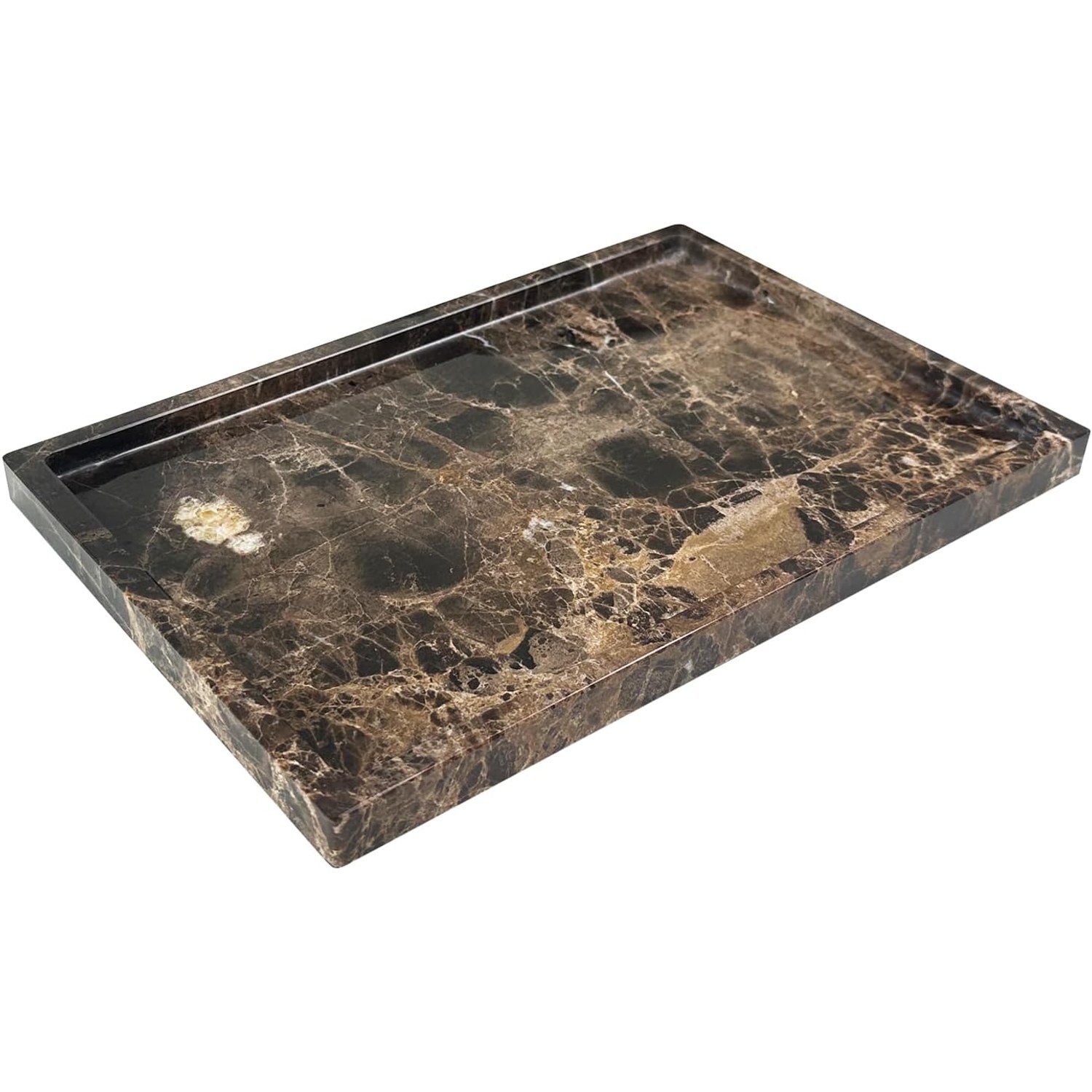
This piece suits people who like a calm, layered look at home. It plays well with timber, linen, ceramic and warm metal. If you already own a brass tray, a stone candle holder or a pale ceramic vase, it will slot in without any effort from you.
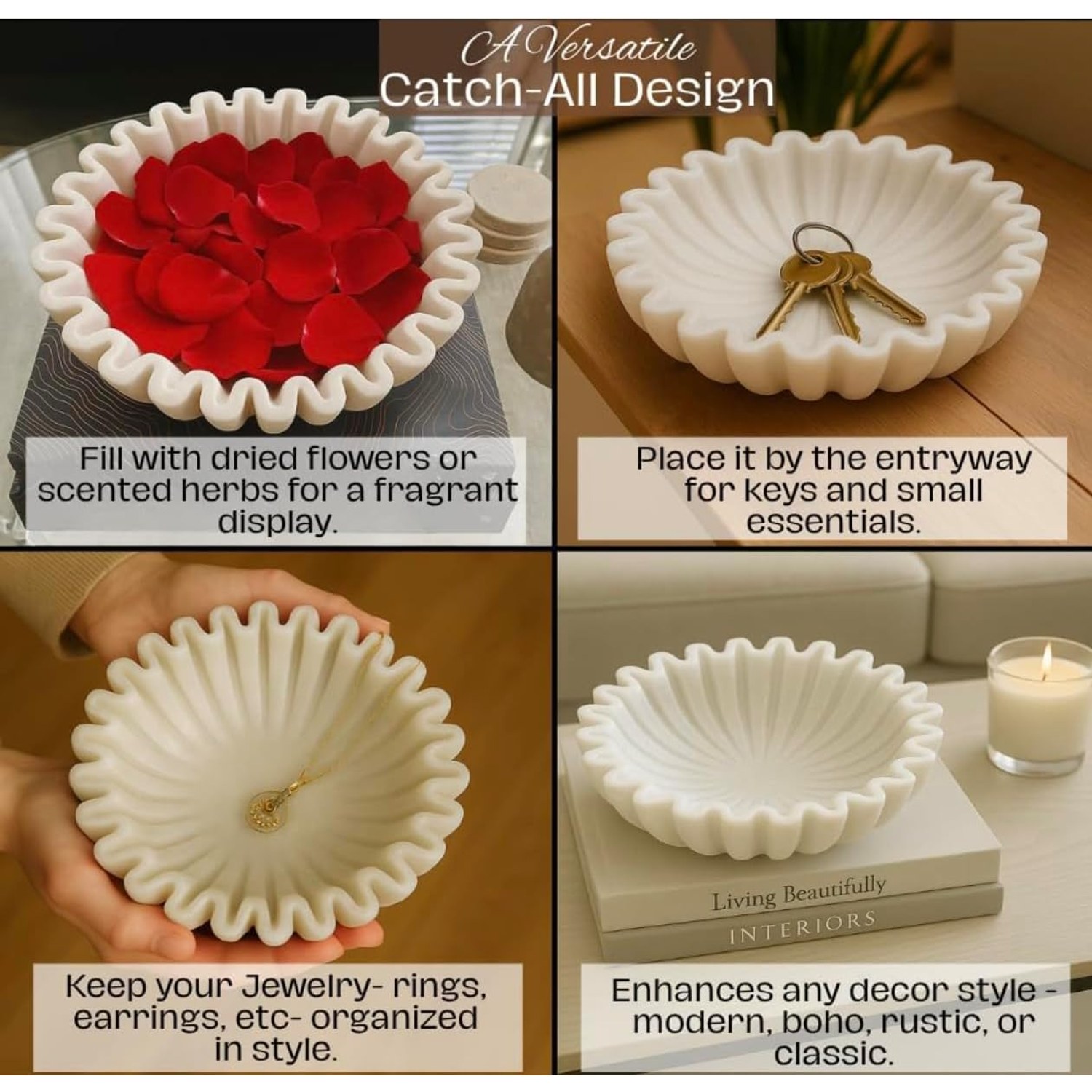
It also suits people who want their decor to do a job. A fruit bowl on a kitchen island. A catchall by the front door for keys and sunglasses. A trinket dish beside the bed. A bread bowl brought out when people come over. Any of those count as a real use, and all of them look better in stone than in plastic.
It is less suited to homes with very young children or an especially boisterous dog, simply because stone and hard floors do not forgive accidents. It is also not the right choice for outdoors, a steamy bathroom shelf with no ventilation, or anywhere it will be knocked daily.
How to choose the right spot
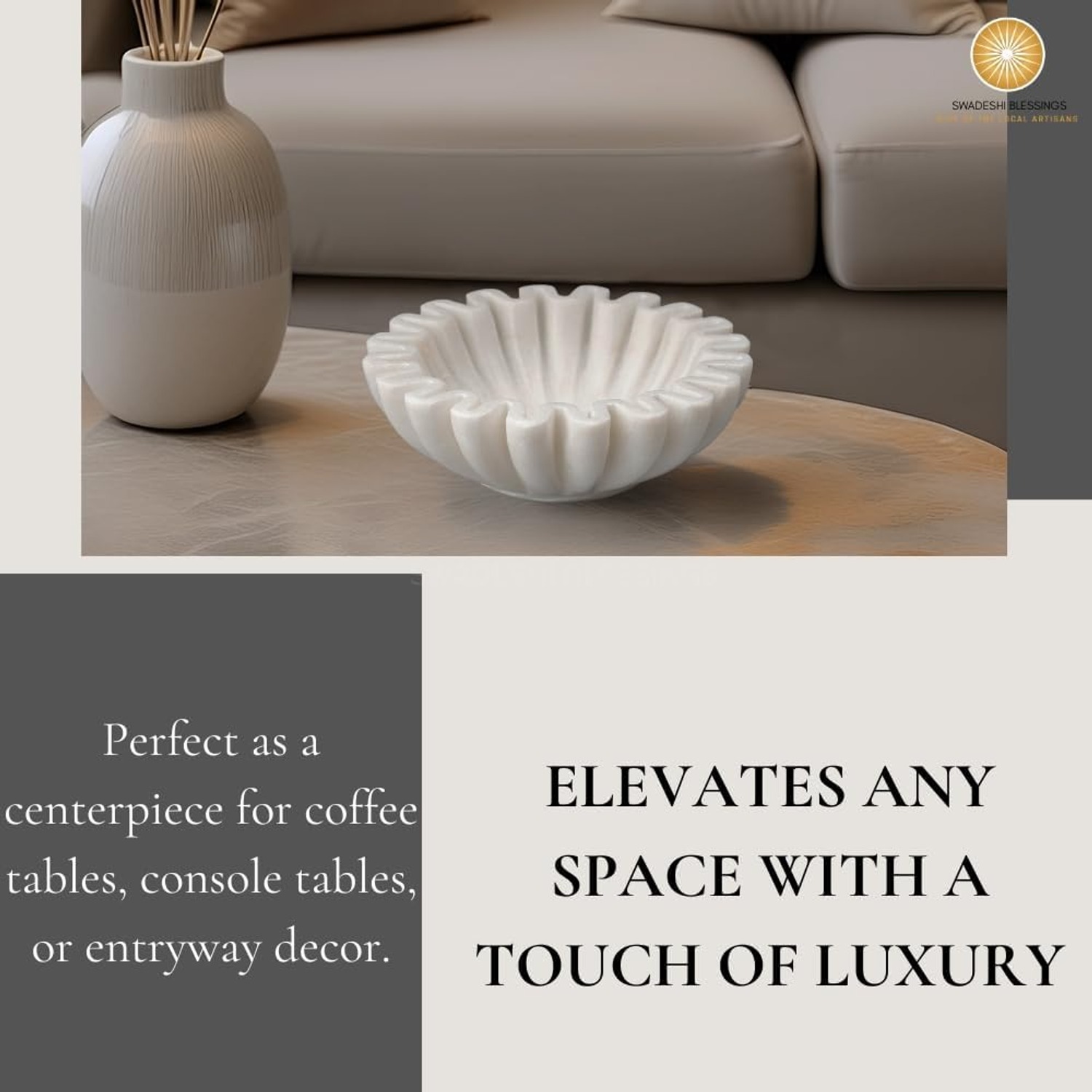
Start with the surface. A console table in an entry hall is the easiest win, because the bowl gets seen every day and does useful work holding small things. A coffee table is the next best, especially paired with books. A kitchen island suits it if you are happy to wipe the bowl out now and then, which takes seconds.
Think about light. Marble changes character depending on what falls on it. Near a window, the veining lifts and the polished rim throws soft highlights. Under a warm lamp at night, it reads creamier and quieter. If you have a spot that gets both, that is the one to use.
Think about scale next. A single bowl on a very large sideboard can look lost, so give it company: a stack of two books, a small vase, a candle. On a smaller side table, the bowl alone is plenty. Crowding is the most common styling mistake, and it is easy to fix by removing things rather than adding them.
One more practical note. If your table top is lacquered, glass or softwood, pop a thin felt pad underneath. Stone is harder than most surfaces it sits on, and dragging it is what causes marks.
Living with natural stone
Marble is not delicate, but it is reactive. Acids etch it. That means vinegar, lemon juice, some cleaning sprays and even a cut orange left sitting overnight can leave a dull patch. It is not a disaster and it is not common, but it is worth knowing before it happens rather than after.
The care routine is short. Wipe with a soft damp cloth. If something sticky is involved, add a drop of mild, pH-neutral soap, then wipe again with a clean damp cloth. Dry it properly. That last step matters more than people expect, because drying is what keeps water marks off a polished surface.
Avoid anything gritty. Scourers, powder cleansers and magic erasers all work by abrasion, and abrasion is the enemy of a hand-polished finish. You will not need them anyway, because a smooth polish does not give dirt much to hold onto. That is the quiet advantage of this kind of finish over a rough or honed one.
If you plan to use it constantly for food, a food-safe stone sealer bought separately is a reasonable extra step. Follow that product's instructions rather than ours, since formulations differ.
Buying it as a gift
Gift buying gets hard once someone has the basics covered. The usual safe options, candles and bottles, get consumed and forgotten. A marble bowl does not. It stays on a table and gets used, which is a nicer kind of reminder.
It also skips the taste problem. It carries no slogan, no colour clash and no style commitment. It works in a minimalist apartment and in a cluttered, warm, book-filled house. That makes it one of the best housewarming gift bowl options for people whose homes you have never actually seen.
A couple of practical tips. Allow time for delivery, since stone ships carefully rather than quickly. Keep the packaging until the recipient has it in hand. And if you are wrapping it yourself, plenty of padding beats pretty paper.
The short version
A marble ruffle bowl is a small object that does an outsized amount of work. It holds a surface on its own, it holds fruit or keys or rings when you need it to, and it wipes clean in about five seconds. Hand carving and hand polishing give it the depth and variation that moulded lookalikes never get close to.
Keep it indoors, wipe spills promptly, skip the acids and abrasives, and it will outlast most of the furniture around it. Buy it for a table you actually sit at, or for someone who has run out of things they need. Either way, it earns its place.