

The complete guide
How to Choose a Large Merino Wool Blanket for Your Sofa and Bed
The problem with most throws
Most throws are too small and too thin. They look fine folded over the arm of a chair, but the moment you actually pull one over yourself your feet are out, your shoulders are out, and you spend the evening rearranging it instead of relaxing. The second problem is fibre. A lot of cheap throws are entirely synthetic. They feel warm for ten minutes, then they trap moisture and you end up slightly sticky and kicking the thing off.
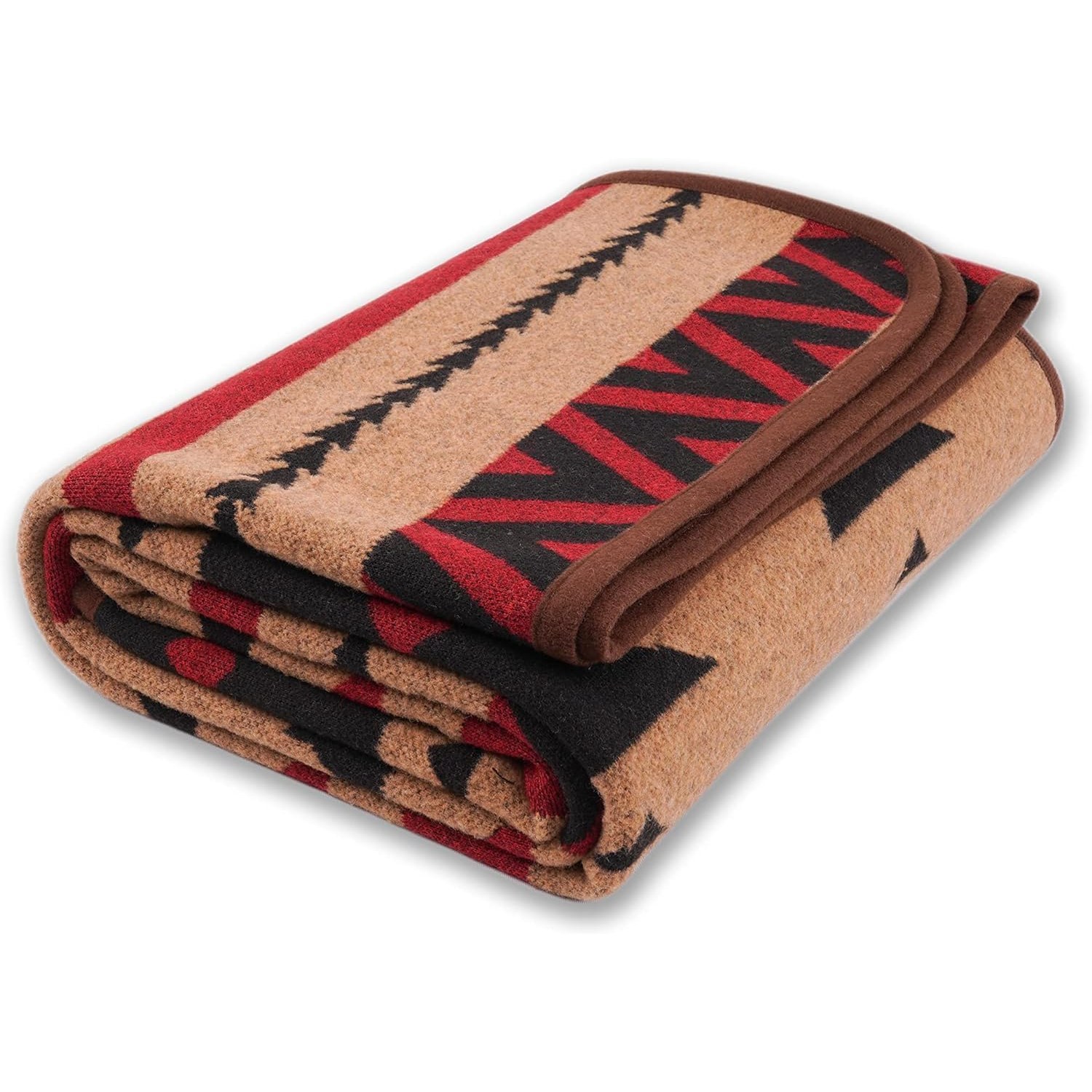
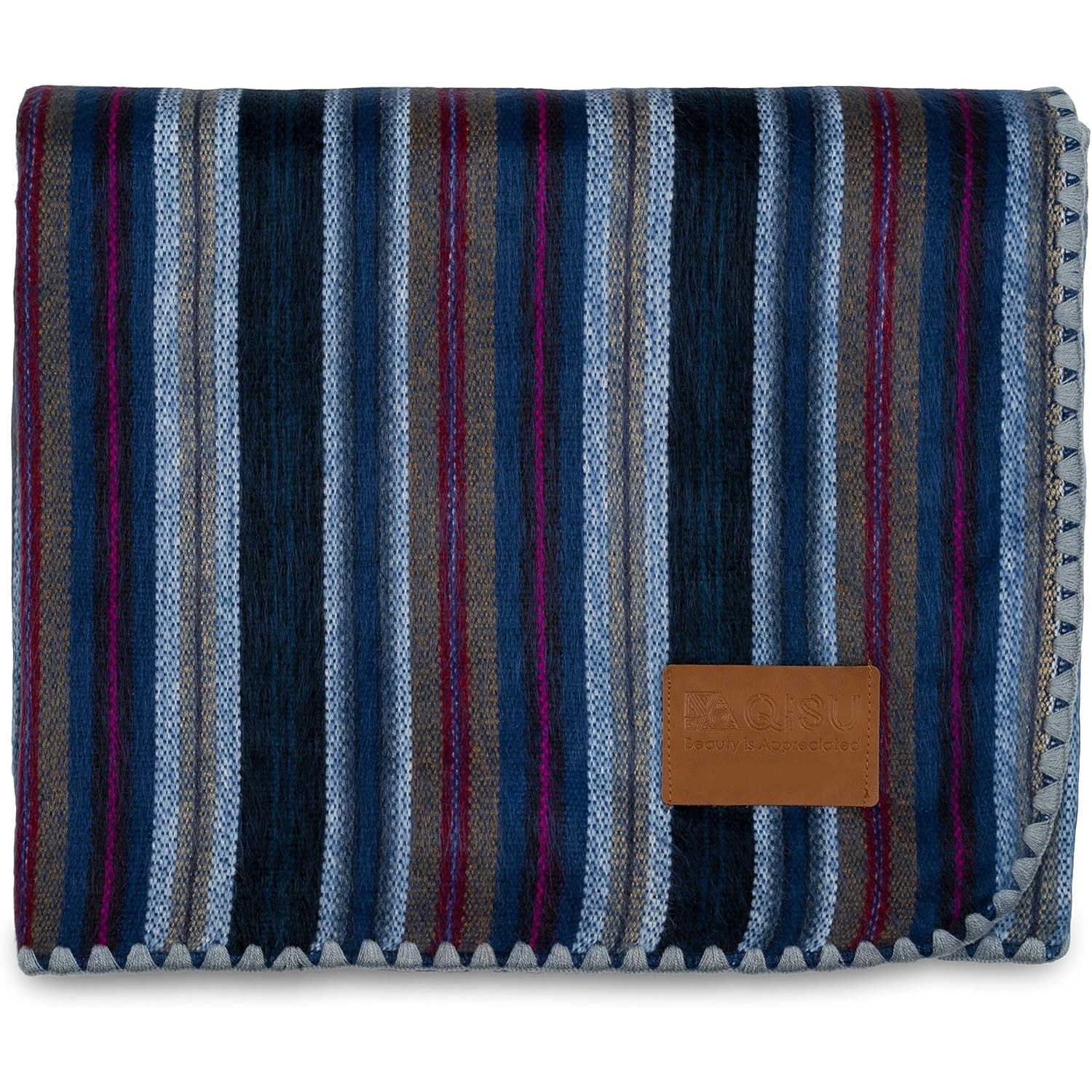
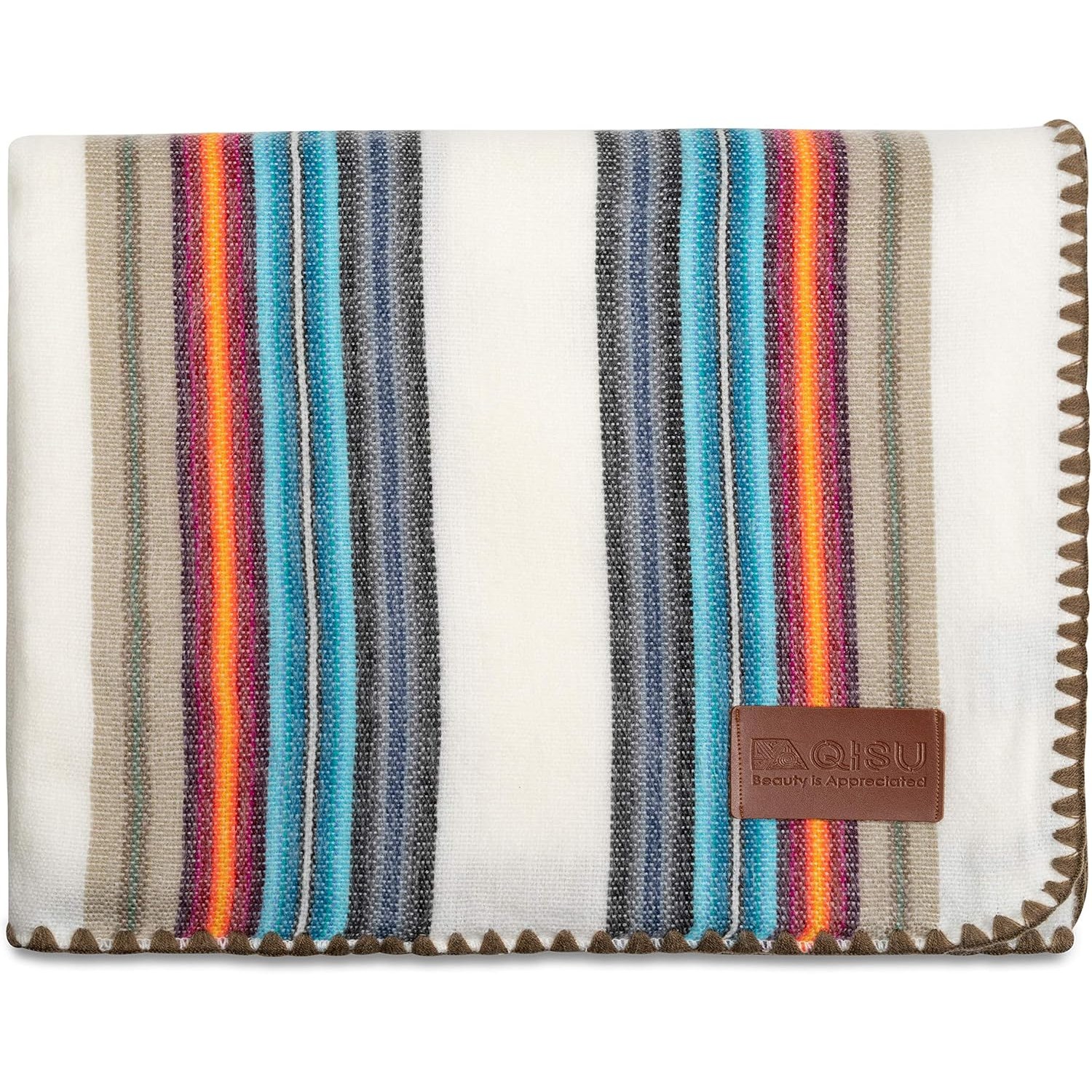
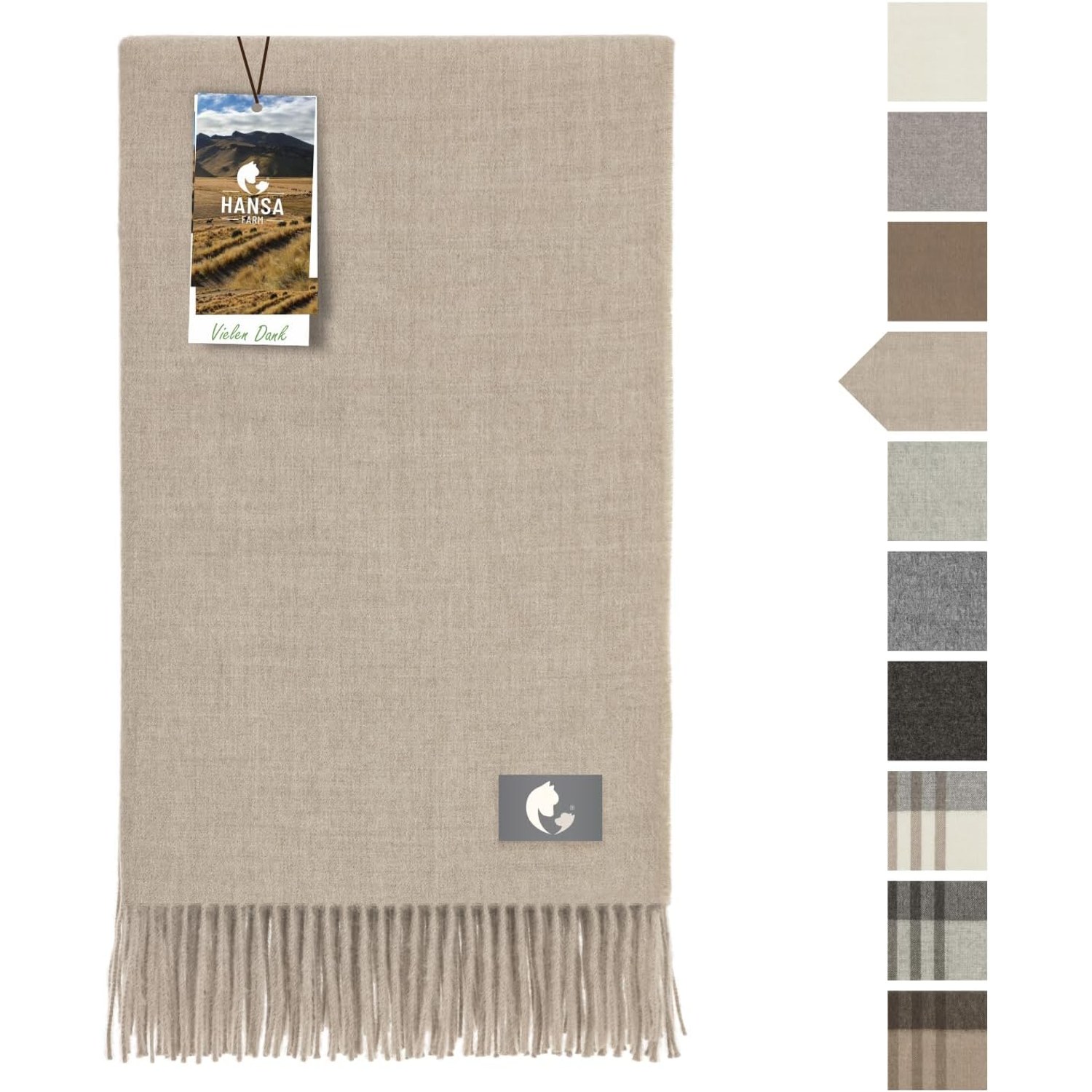
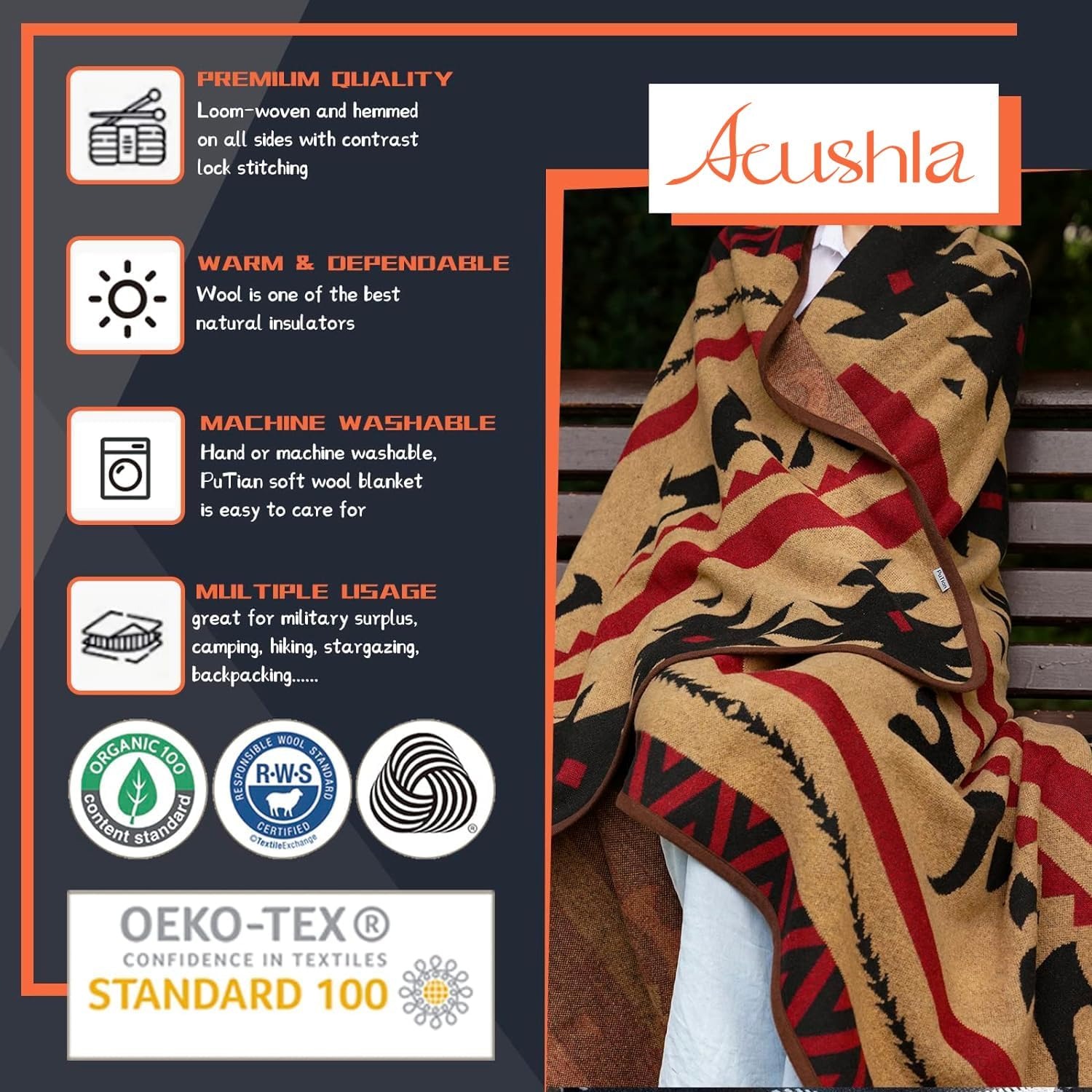
A large wool throw solves both. The size means you are properly covered. The fibre means the warmth stays comfortable rather than turning stuffy. This merino wool blanket is 160 x 220 cm, which is a real blanket size rather than a decorative one, and the yarn is listed by the maker as 58% merino wool and 42% polyester fibre.
What the blend actually means
It is worth being direct here, because wool labelling is full of soft language. This is a merino blend. It is not a 100% merino throw. A little over half the fibre is merino wool and the rest is polyester.
That is not a compromise so much as a trade. Merino does the comfort work. It is a fine fibre, so it feels soft against skin instead of scratchy. It traps warm air in tiny pockets, which is what makes wool warm for its weight. It also breathes, moving moisture vapour away rather than holding it against you, and it resists picking up smells, which is why a wool blanket needs washing so much less often than a cotton one.
Polyester does the hard-wearing work. Wool on its own, particularly when the fibres are short, can wear thin at the edges and lose shape over time. Blending in a strong synthetic fibre makes the yarn tougher, helps the blanket hold its shape through washing, and means it can take being dragged off the sofa, folded into a car boot and spread on grass without falling apart.
If your heart is set on pure wool, be honest with yourself about that before ordering. If you want wool comfort in something you can use hard, a blend like this is the practical answer.
Why size changes everything
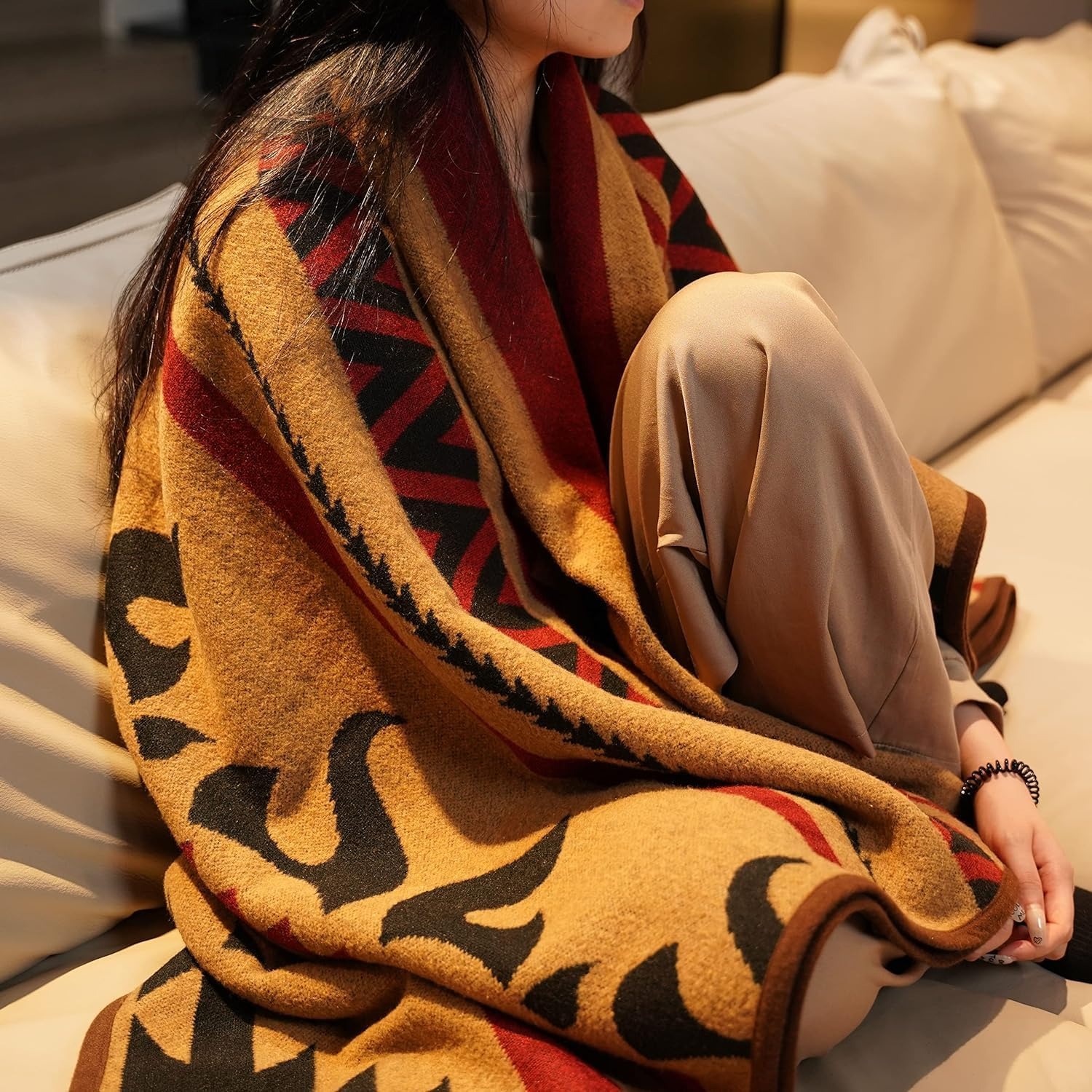
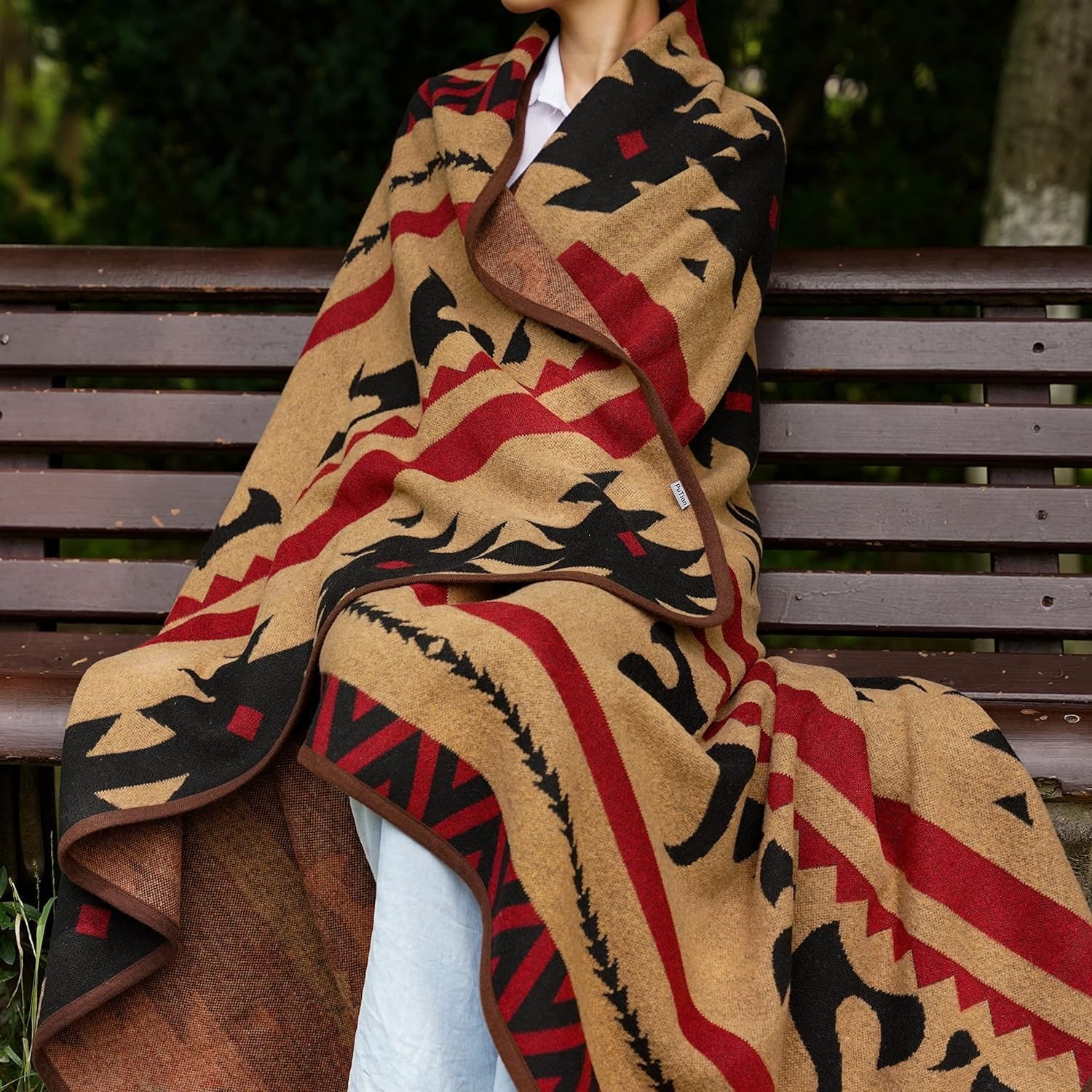
At 160 x 220 cm this covers ground. Across a three-seat sofa it reaches corner to corner, which means it works as a furniture cover as much as a throw. Laid on a double bed it drapes over both sides. Wrapped around one person it goes fully around with overlap, so no cold gap down your back.
Think about how you will actually use it. If it is mostly for one person in a reading chair, a smaller throw might do. If it is for a shared sofa, a bed layer, or a family that fights over the one good blanket, the oversized version wins every time. A large merino sofa blanket gets borrowed constantly, which is a good sign.
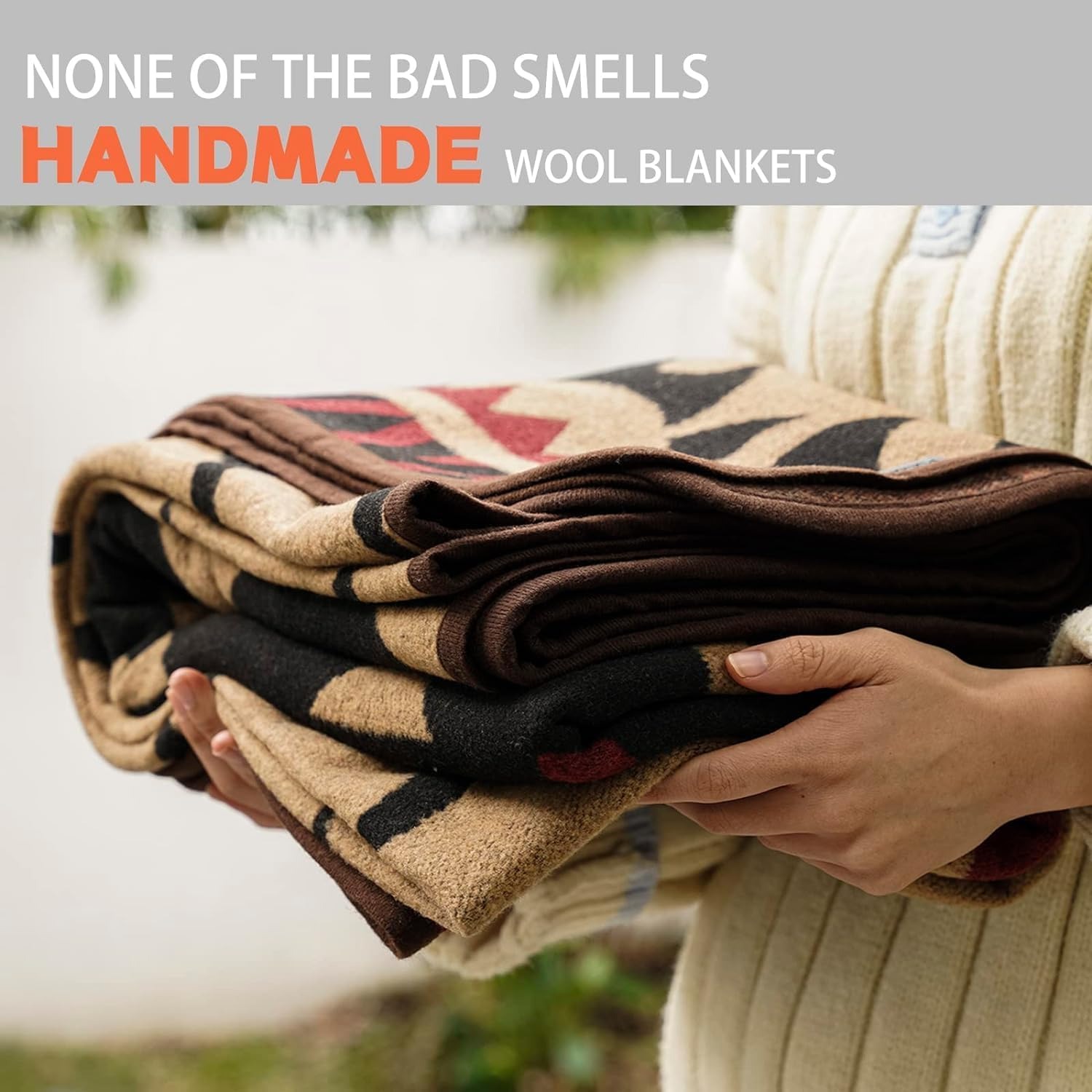
It also folds and rolls down reasonably small for its size, so keeping it in a basket by the sofa or in the back of the car is realistic.
Who it suits
People who feel the cold at home, especially in houses with high ceilings, hard floors or old windows, get the most from it. So do people who would rather add a layer than turn the heating up another degree.
It suits households with pets. A blanket on the sofa takes the claws, the hair and the muddy landings, and it is far easier to wash than upholstery. It suits anyone who spends cold mornings outdoors, whether that is camping, a sideline at junior sport, or a picnic in early spring. The polyester content in the yarn is exactly what makes that kind of use sensible.
It is less suited to anyone with a known wool sensitivity, and to anyone who wants a blanket they can throw in a hot machine wash every week. Wool asks for a gentler routine than that.
How to choose between throws
A few things are worth checking before you commit to any wool throw.
Fibre content, stated plainly. If a listing just says "wool blend" with no percentages, be wary. Here you know the split, 58% merino and 42% polyester, so you can judge it honestly.
Density, not just thickness. A good throw has an even, dense pile. Thin patches and loose weave are where blankets fail first. Dense fabric also drapes better, following the curve of your body so warm air does not escape at the sides.
Edge finish. Edges take most of the stress every time you pull a blanket off a sofa. Clean, firm stitching around the perimeter is a far better predictor of lifespan than anything else you can see in a photo.
Honest expectations about shedding. Short wool fibres shed a little and pill a little, particularly early on. Any seller telling you a wool blend will never pill is overselling. It settles down, and a cheap fabric comb fixes the surface in minutes.
Living with it, day to day
The useful habit with wool is airing rather than washing. Hang the blanket outside on a dry, breezy day for a couple of hours and it comes back fresh. Wool's natural odour resistance means this works far better than it would on cotton.
When it does need a wash, hand wash it in cold water with a wool-safe detergent. Let it soak, move it gently, and resist the urge to scrub. Never wring or twist it. Press the water out instead, support the weight when you lift it (wet wool is heavy and can stretch), then lay it flat to dry away from radiators and strong sun. Turn it once partway through.
Skip the tumble dryer entirely. Heat plus agitation is how wool shrinks and felts, and there is no undoing it.
For spills, act fast. Blot with a clean cloth from the outside of the mark inwards, use cold water, and only a tiny amount of detergent if the mark needs it. Hard rubbing will felt the surface and leave a dull patch.
For summer storage, make sure it is clean and completely dry first. Moths are drawn to soiled fibres. Fold it into a breathable cotton bag rather than sealed plastic, and tuck in cedar or a lavender sachet if it is going away for months.
Getting the most from it
A few small things make a blanket feel better than it is. Keep it somewhere visible, a basket or the arm of the sofa, because a blanket in a cupboard never gets used. Shake it out every few days to lift the pile back up; compressed fibre feels flatter and colder than fluffed fibre.
If you are using it on a bed, put it over the duvet rather than under. Wool works best as the outer layer where it can trap air and still breathe. If you are using it outdoors, give it a hard shake before folding so grit does not grind into the fibres in storage.
The short version
This is a 160 x 220 cm merino blend blanket, listed by the maker as 58% merino wool and 42% polyester fibre. The merino gives you soft, breathable, odour-resistant warmth. The polyester gives you a blanket you can actually use hard without babying it.
It is big enough for a three-seat sofa or a double bed, soft enough to sit against skin, and tough enough for camping, picnics and the back of the car. Care is simple if you follow two rules: cold hand wash, dry flat. Expect a little shedding and pilling early on, because that is what short merino fibres do, and it settles.
If you want one blanket that gets used every single evening from autumn through spring, this is the size and the fibre mix to go for.