

The complete guide
Choosing a Wool Blend Knitted Throw That You Will Actually Use
The problem with most blankets
Most homes have a blanket drawer full of things nobody reaches for. There is the thin fleece that feels warm for about four minutes. There is the heavy old quilt that is too hot and too awkward. There is the decorative throw that looks fine folded on a chair but is too small and too stiff to actually wrap around anyone.
A good throw solves one specific problem. You are sitting still in a room that is colder than you want, and you do not want to heat the whole house for it. That is a surprisingly common situation, especially in the evening, in a draughty older place, or in a room you only use for an hour a day. Turning the heating up for one person in one chair is an expensive habit.
A wool blend knitted throw is a direct answer to that. It is dense enough to hold heat, large enough to cover properly, and good looking enough that it can live out in the open instead of in a cupboard.
How a wool blend actually works
Wool is good at warmth because of how the fibre is built. Each strand has a natural crimp, so when the fibres are spun and knitted together they trap a lot of still air. Still air is the actual insulator. The wool is mostly a scaffold holding that air in place.
The other useful thing about wool is that it keeps performing when conditions are damp. A thin synthetic fleece can feel clammy and lose its edge in a humid or cold damp room. Wool handles moisture differently and keeps feeling warm. If you live somewhere with wet winters, that difference is noticeable.
So why blend it at all? Because pure wool has real drawbacks for a piece of fabric that gets sat on, pulled about and washed. It can be more delicate, more prone to stretching, and fussier to clean. Adding synthetic fibres gives the finished throw more tear resistance and makes washing much less of an event.
This particular throw is made with 30% wool plus synthetic fibres. The maker has not published the full fibre breakdown, so we are not going to guess at the rest. What matters for your decision is that it is a blend, not pure wool, and the blend is deliberate. You get a decent share of wool warmth in a fabric that can take ordinary household life.
Why the knit matters
Weave and knit are not the same thing, and the difference shows.
A flat woven blanket is smooth and tight. It is good at wind resistance and it looks neat, but it reads as a plain rectangle in a room. A knitted throw is built from interlocking loops, which creates a surface with actual depth. Light falls into the texture and shadows form in the gaps, so the piece has visual interest even when it is folded and doing nothing.
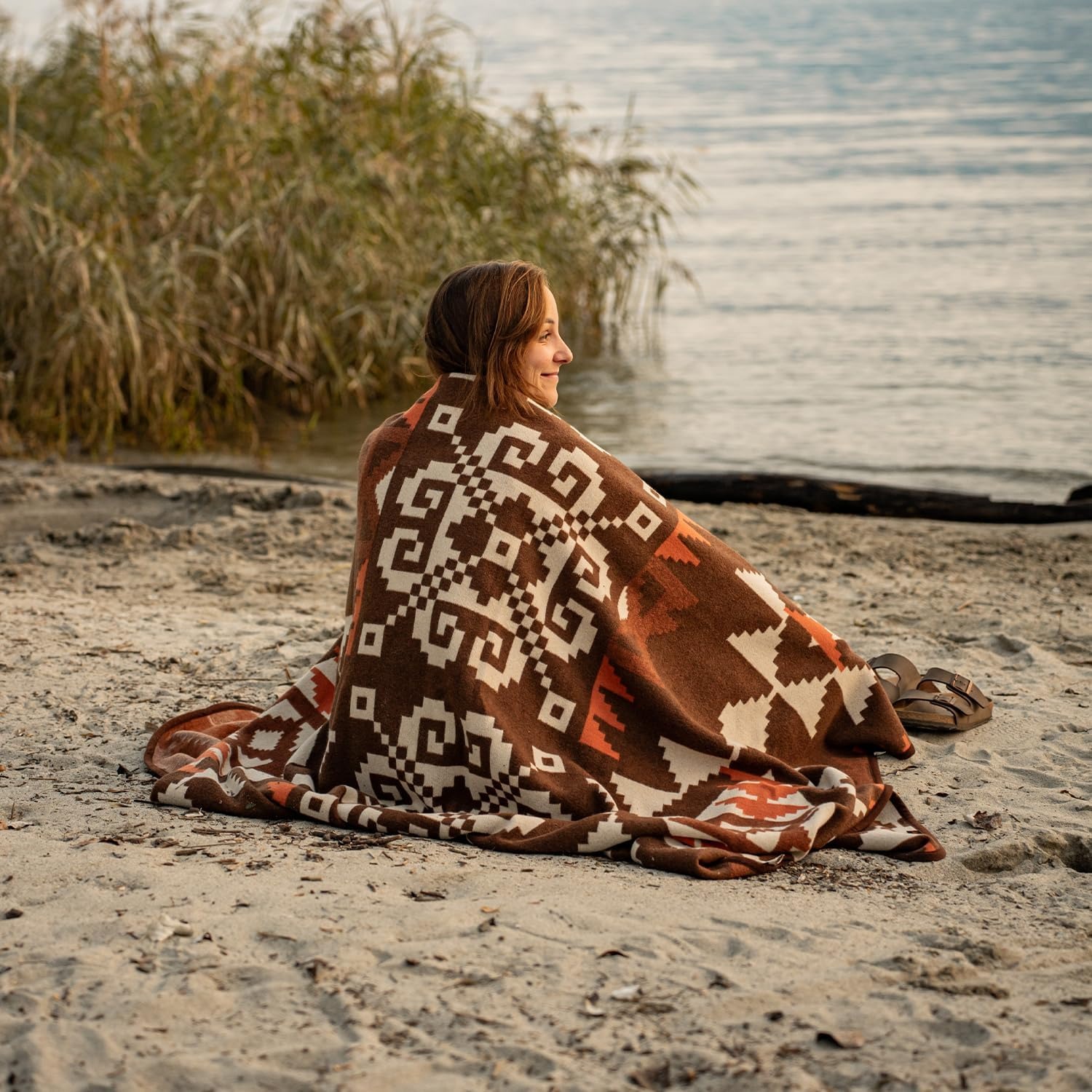
Knits also drape differently. They are more flexible, so the throw follows the shape of a sofa arm or a pair of shoulders instead of sitting stiffly on top. That is part of why a knitted blanket feels more comfortable to wrap up in than a flat one of the same weight.
The practical trade-off is that knits can snag on a ring or a watch catch, and they can pick up a bit of surface pilling in high-rub areas over time. Neither is a serious problem. A snag can usually be eased back into the knit with a crochet hook rather than cut, and pilling comes off with a fabric comb in a few minutes.
Who this suits
This style works best for a few specific people.
If you are a cold sitter, the kind who is reaching for a layer while everyone else is fine, a heavyweight throw is the cheapest comfort upgrade available. One dense blanket does more for one person than raising the thermostat does for the whole house.
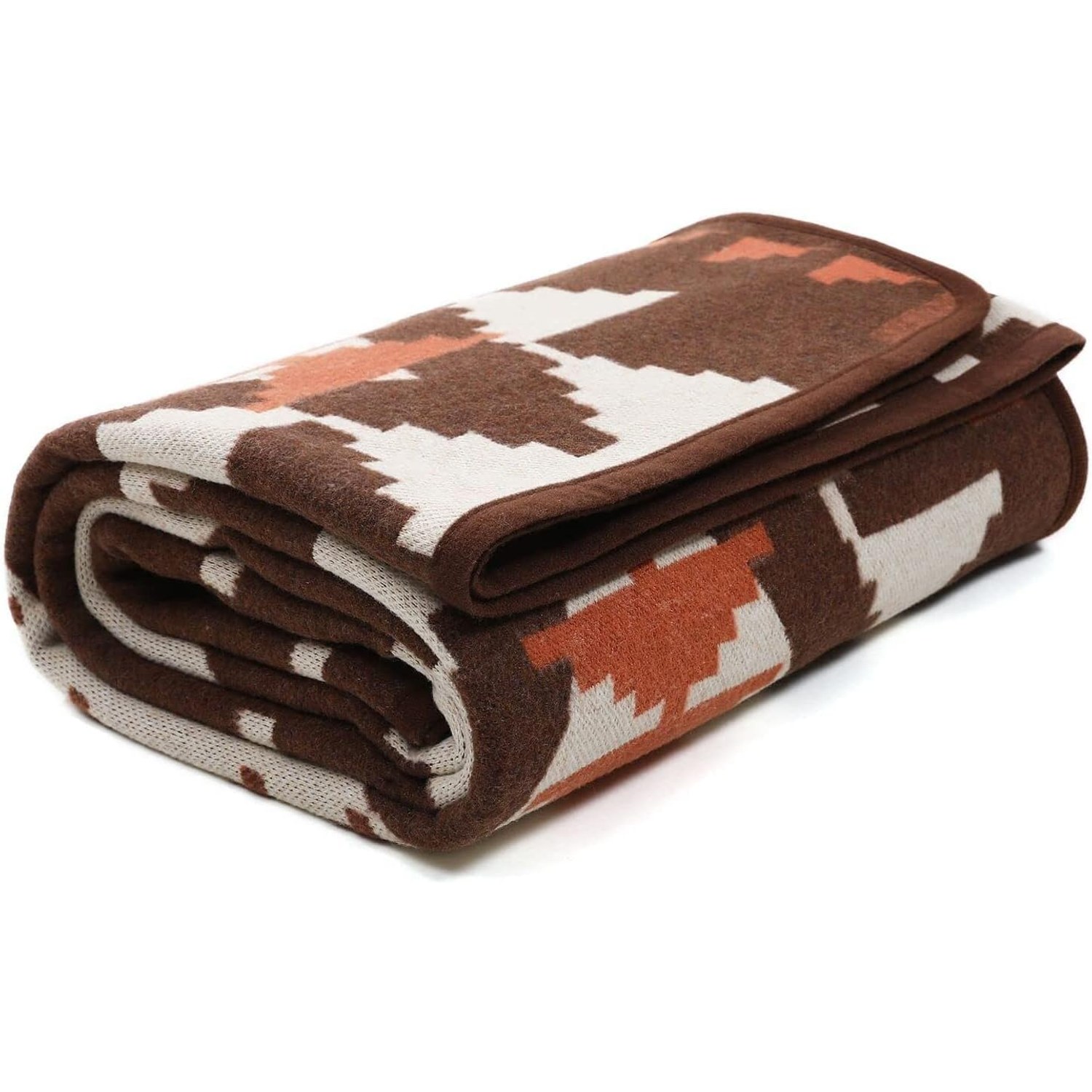
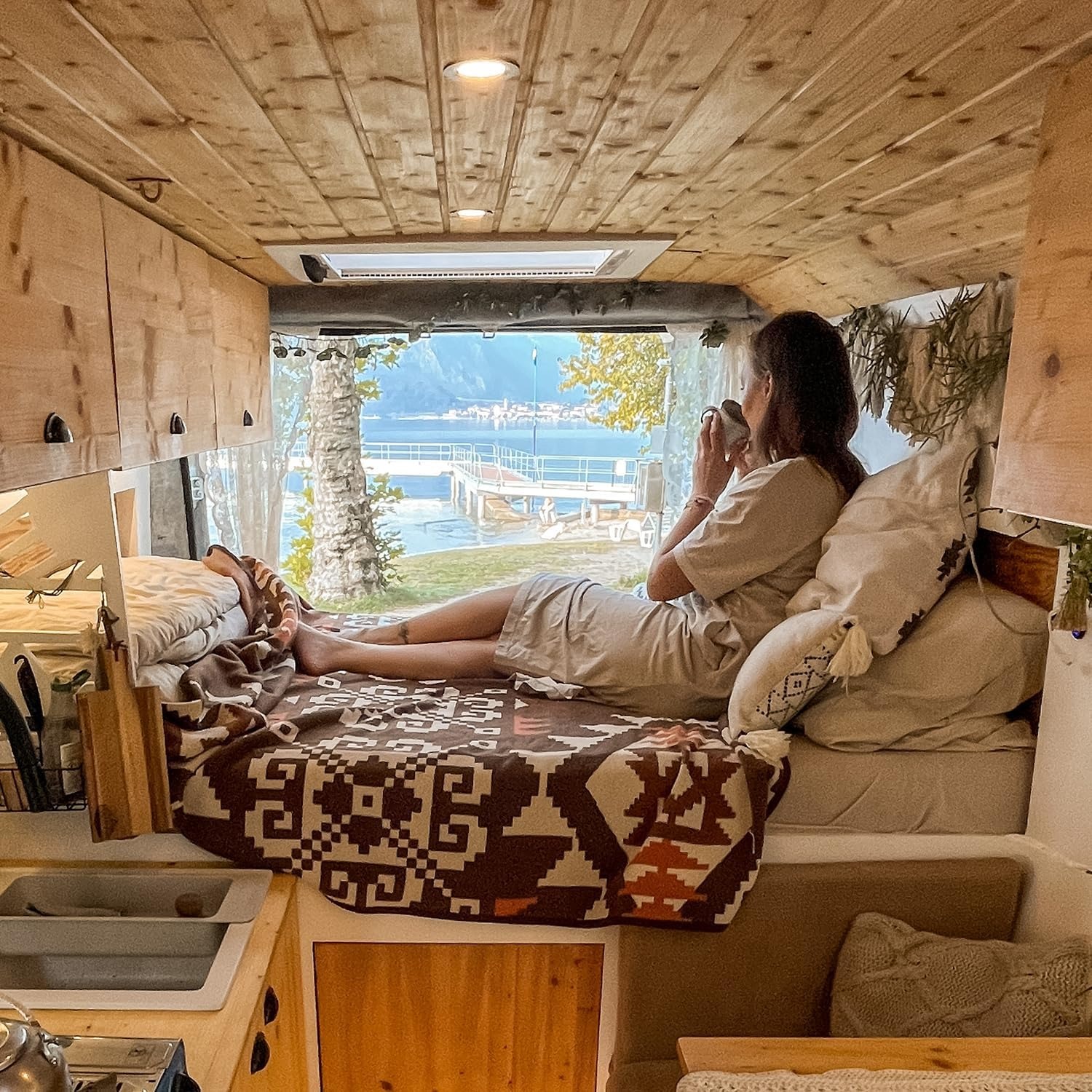
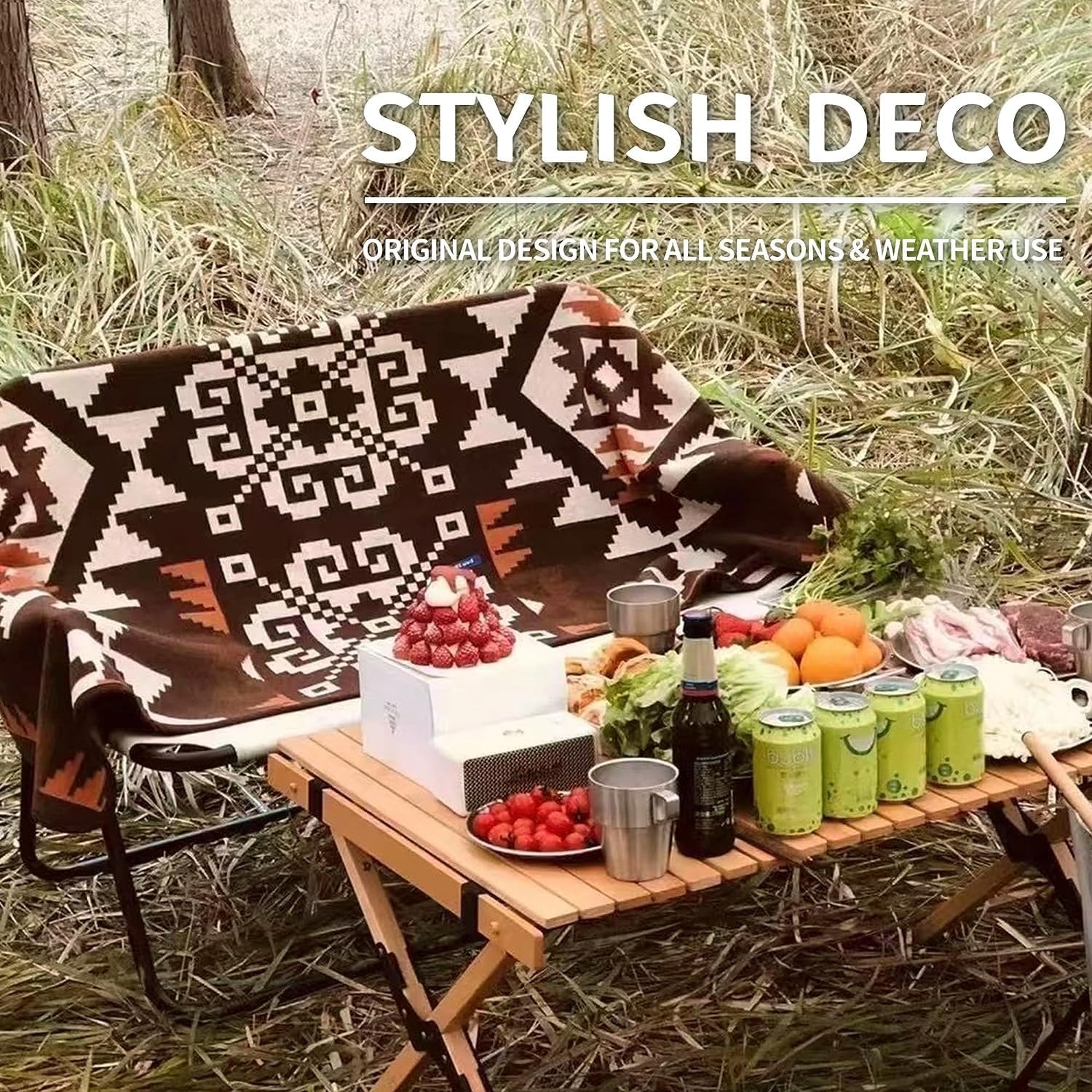
If you have a sofa that looks a bit bare, the texture does real work. A deep brown knitted throw over the back or the arm breaks up a large flat surface and gives the room something to look at.
If you host people, this is a good guest room throw. Folded at the end of the bed it signals that someone thought about whether the visitor might get cold, and it lets them add warmth without hunting through your linen cupboard at midnight.
If you want a low-risk gift, a throw is hard to get wrong. There is no size to guess and no strong style commitment, which is more than you can say for most homeware.
Who it suits less well: anyone with a known wool allergy, since there is genuine wool in the blend. Also anyone who wants something very light for summer, because this is built to be substantial rather than airy.
How to choose between throws
A few things are worth thinking about before you buy any throw.
Weight. Heavier is not automatically better. A dense throw is excellent for winter evenings and cold bedrooms. If you want something you can use in mild weather too, a lighter piece may get more hours of use across the year. This one is on the heavier, warmer end.
Fibre content. Higher wool percentages usually mean more warmth per gram, but also more care and often more cost. A 30% wool blend sits in the practical middle, warm enough to matter and forgiving enough to wash at home.
Size. Match it to the job. A throw meant to wrap one person needs to be long enough to cover from shoulders to feet. A throw meant to cover a bed needs considerably more. If the listed size is not clear, ask before you order rather than guessing.
Colour. Darker neutrals like deep brown are the safest choice because they hide marks and work across many colour schemes. Pale throws look beautiful and show every spill.
Texture. Smooth, chunky and waffle knits all feel different. Chunky knits look generous but can have larger gaps. A dense knit like this one holds warmth better.
Looking after it
The care routine for a wool blend is simple once you know it, and it makes an enormous difference to how long the throw looks good.
Start with the sewn-in label and follow whatever it says, because it beats any general advice. If you are going with the general approach, wash cool on a gentle or wool cycle using a detergent made for wool. Standard laundry detergents often contain enzymes that attack protein fibres, and wool is a protein fibre.
Skip the fabric softener. It coats the fibres and flattens the loft that makes the blanket warm in the first place. Skip bleach entirely.
Never wring a wet wool blend. Press the water out instead, reshape the throw to its proper rectangle, and dry it flat. Hanging a heavy wet knit over a line lets gravity stretch it permanently.
Between washes, air it. Hanging it outside on a dry breezy day for a few hours freshens wool better than most people expect, which means you can wash it far less often. Most households only need a proper wash once or twice a year.
Store it folded and loose, not vacuum-packed. Crushing a knit for months flattens the texture.
The short version
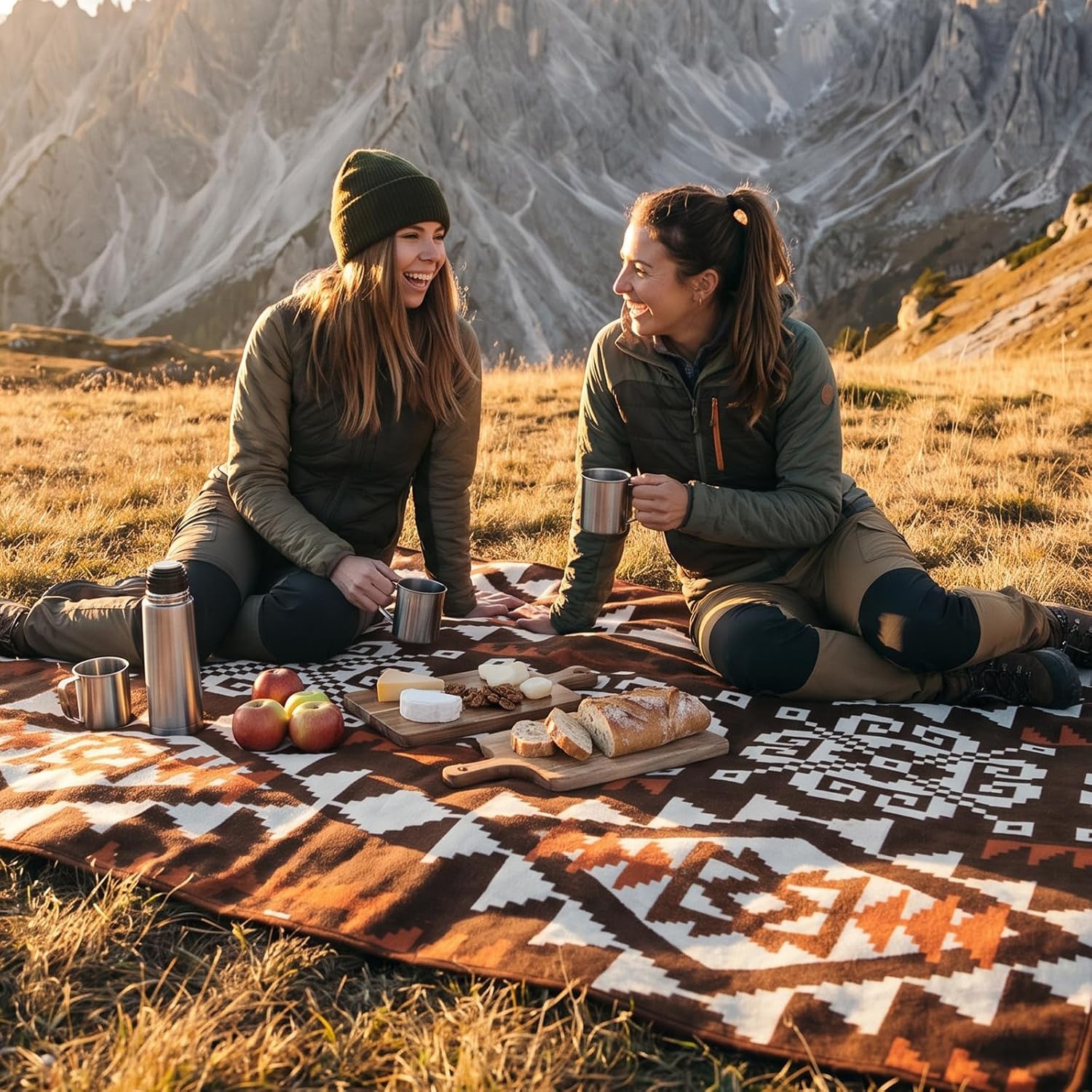
This is a heavyweight wool blend knitted throw in a deep Indian brown. It is 30% wool with synthetic fibres, which gives you real wool warmth in a fabric that can handle regular use and home washing. The knit adds texture, so it earns its spot on a sofa or bed visually as well as practically.
Buy it if you want a serious winter layer for the lounge, bed or reading chair, or if you want a safe and useful gift. Think twice if you have a wool allergy or you want something light for warm weather.
Wash it cool, dry it flat, air it now and then, and it will be doing the same job for many winters.