
The complete guide
How to Choose Merino Wool Socks for Women
Cold feet are a comfort problem, not a weather problem
Most people assume cold feet are about outdoor temperature. Often they are not. You can sit at a desk in a heated office and still have feet that feel like ice by three in the afternoon. What is usually going on is a mix of two things: not enough insulation, and too much trapped moisture.
A thin cotton sock in a closed shoe soaks up sweat and then holds it against your skin. Damp fabric pulls heat away from your foot fast. That is why a cotton sock can feel cold even in a warm room. The fix is not necessarily a thicker sock. It is a sock made from a fibre that insulates while still moving moisture away.
That is the job merino wool does well, and it is the reason a decent merino sock often beats a much thicker synthetic one for all-day comfort.
What merino wool actually does
Merino is wool from merino sheep, and the thing that sets it apart is fibre diameter. The fibres are fine enough that they bend when they touch your skin rather than poking it, which is why merino does not produce the prickle you get from coarse wool. If you have written off wool socks because a pair from childhood made you miserable, merino is worth another try.
The insulating effect comes from air. Crimped wool fibres hold tiny pockets of still air between them, and still air is a poor conductor of heat. Your body warmth stays close to your foot instead of bleeding into your shoe.
Moisture handling is the other half. Wool can take on a fair amount of moisture vapour before it starts to feel wet to the touch, so the sweat your foot produces during the day does not immediately turn into a cold damp layer. Your skin feels fresher for longer. Wool also resists odour better than cotton or polyester, which is why a lot of people find they can wear a merino pair twice before washing.
Why a blend beats pure wool
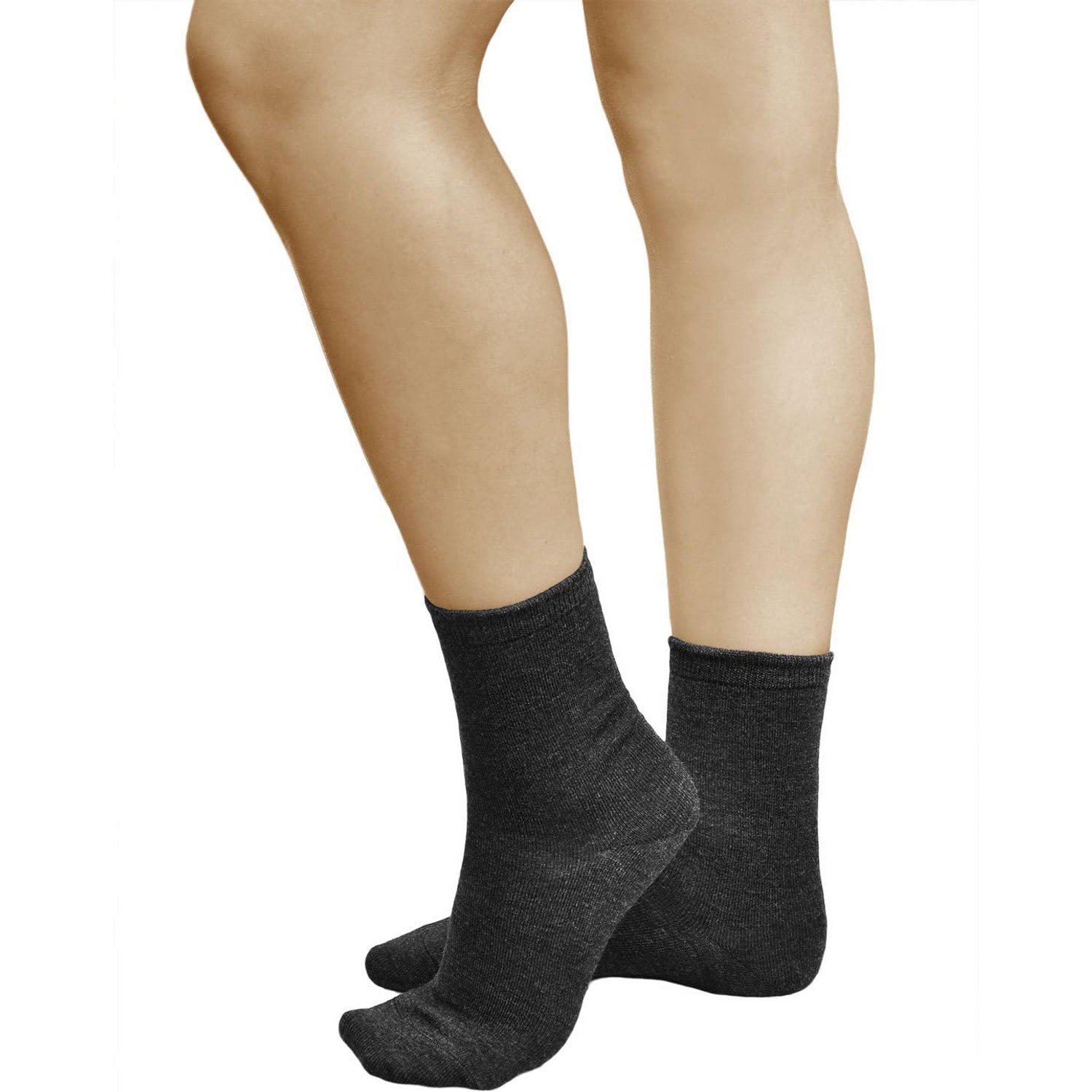
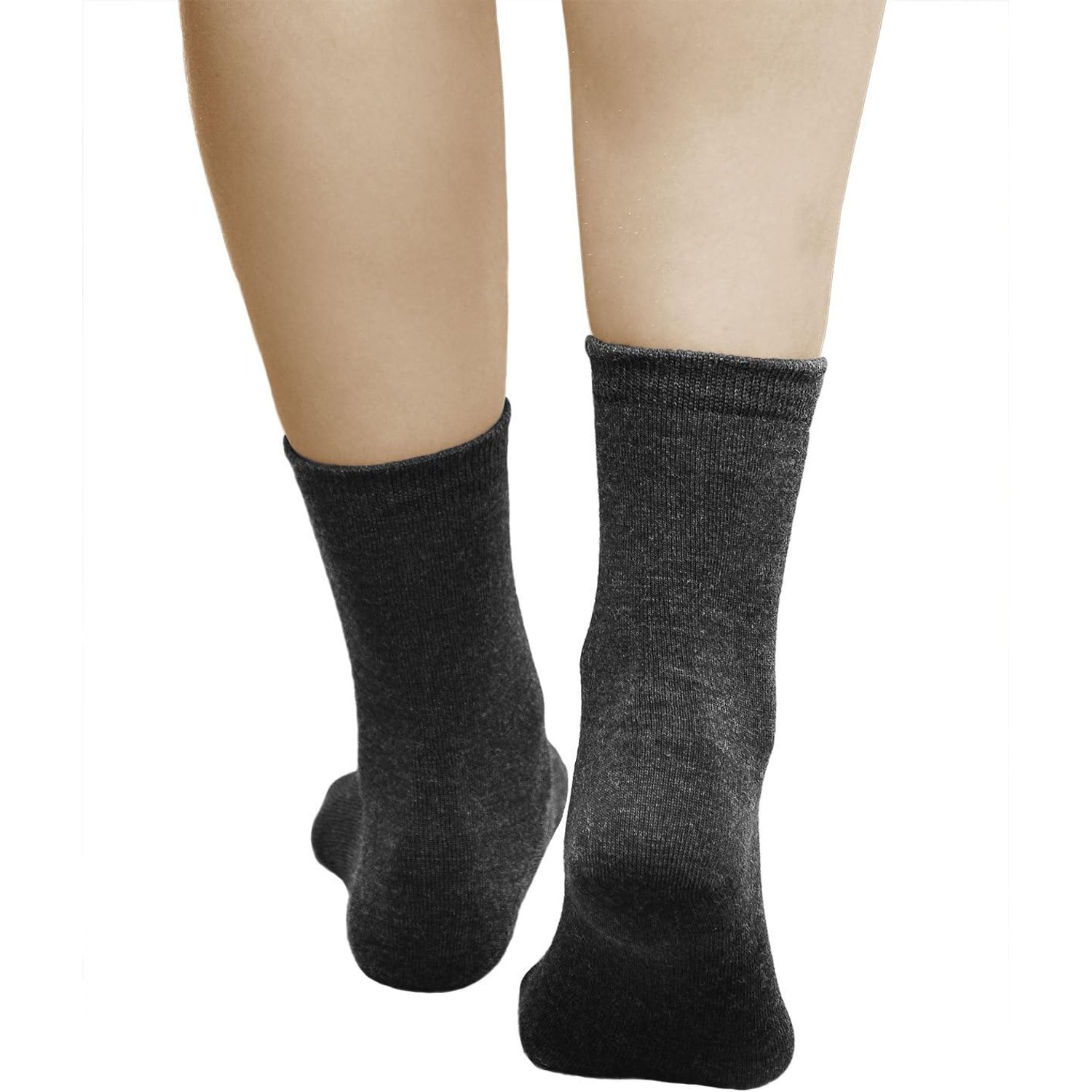
These socks are 80% merino wool, 17% polyamide and 3% elastane, and that is a sensible split rather than a compromise.
Pure wool socks have two weaknesses. They stretch out of shape, and they wear through at the heel and ball of the foot faster than you would like. Polyamide, which is nylon, is tough and abrasion resistant. Blending it into the knit at the stress points means the sock survives the friction of walking far better. Elastane is the stretch fibre. Three percent is not much, but it is enough for the sock to hug your foot and then return to shape in the wash instead of going baggy.
So you still get wool against your skin and wool doing the insulating, with the synthetics quietly handling the structural work. A sock that is 100% wool will usually feel lovely for a month and then look tired. A blend like this one is the better long-term buy.
The construction details worth caring about
Three things separate a good sock from a basic one, and all three show up here.
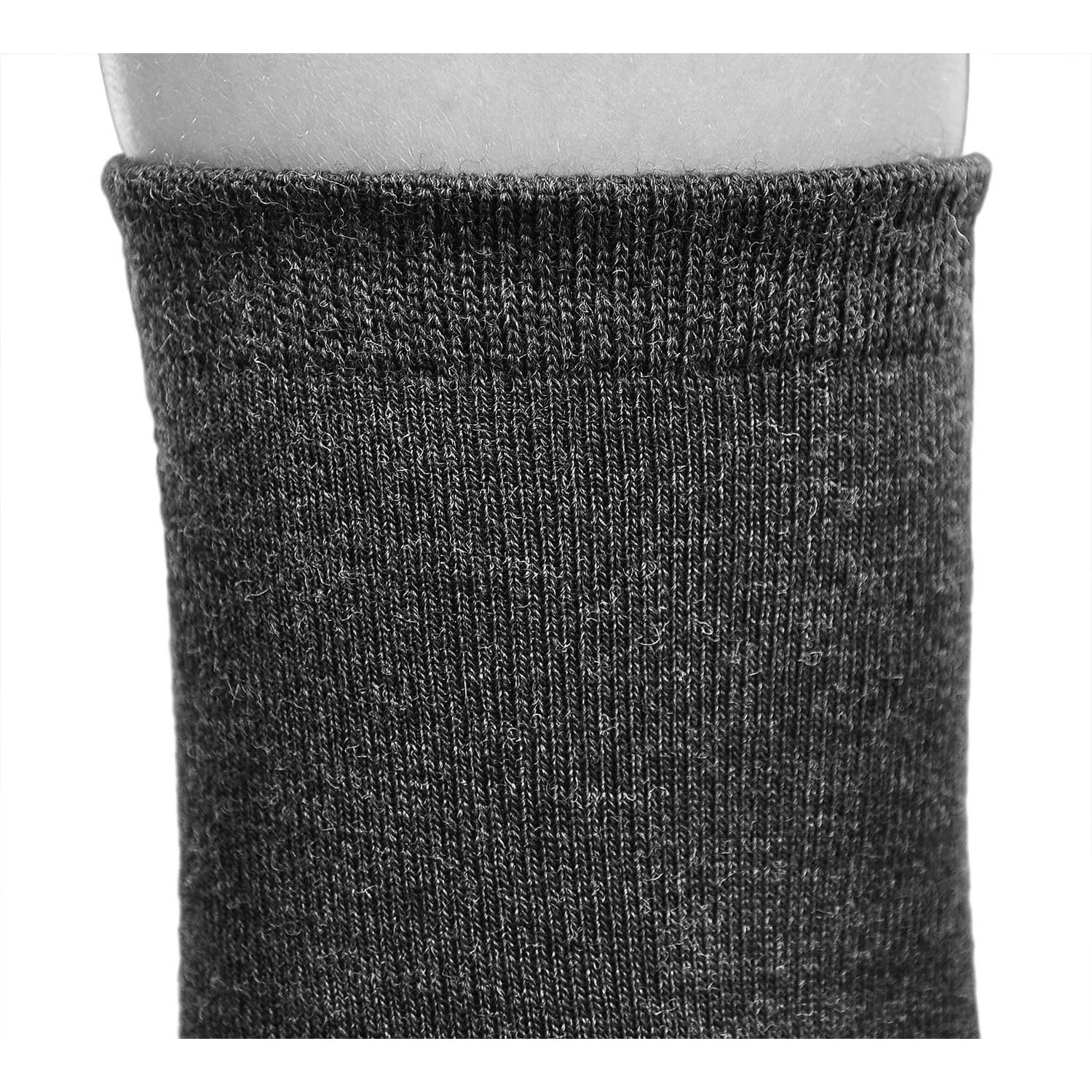
The cuff is soft and elasticated, which means it holds the sock up without clamping your calf. Over-tight cuffs leave a red ring and get uncomfortable by evening. The balance you want is enough grip to stop slipping, not so much that you notice it. That is what is being aimed at here.
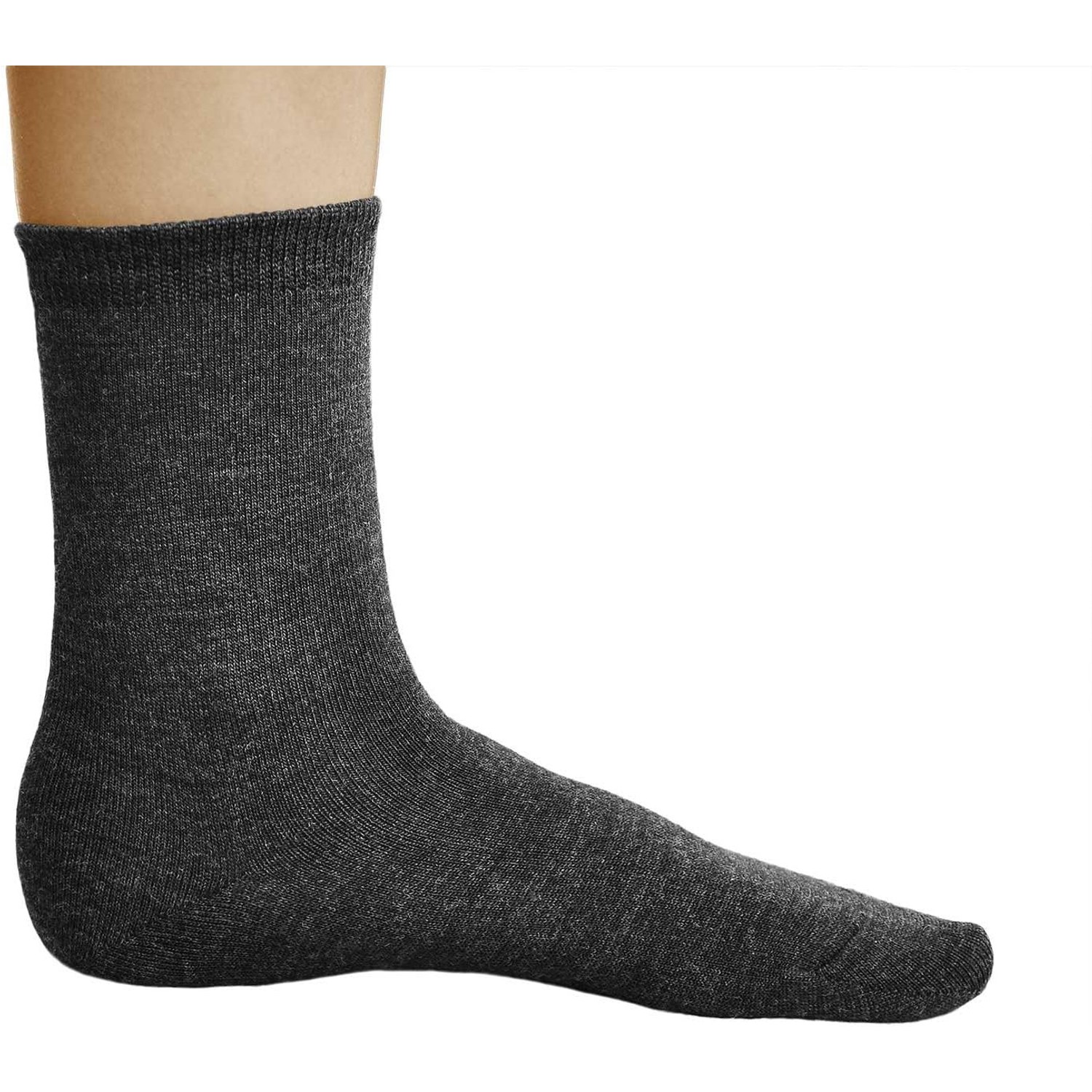
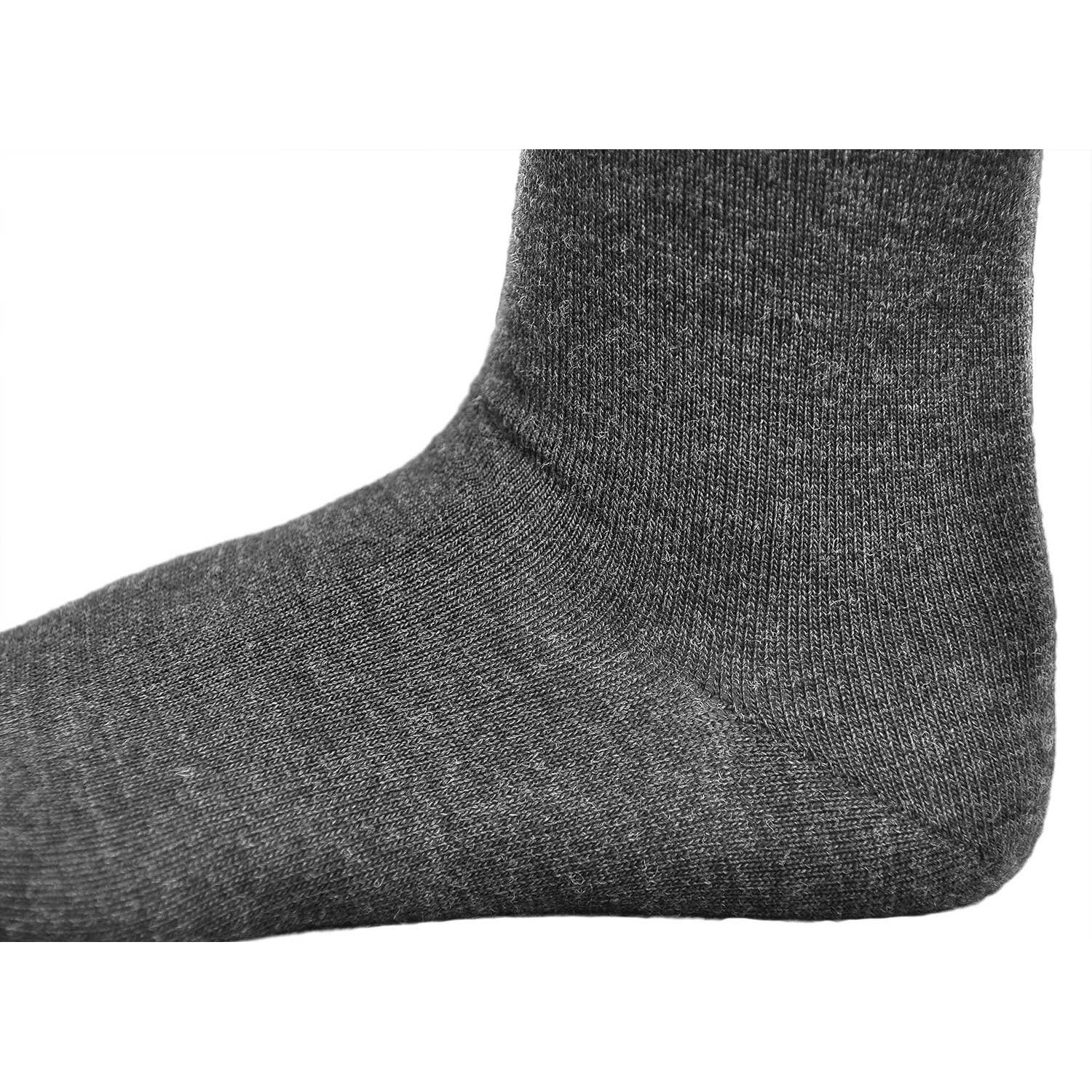
The heel uses a Y-shaped construction. A cheap sock has a simple tube with a rough heel pocket, and that pocket rarely sits where your heel actually is. The result is the sock rotating during the day until the heel section ends up under your arch and the fabric bunches. A shaped heel follows the real angle of your foot, so it stays in position.
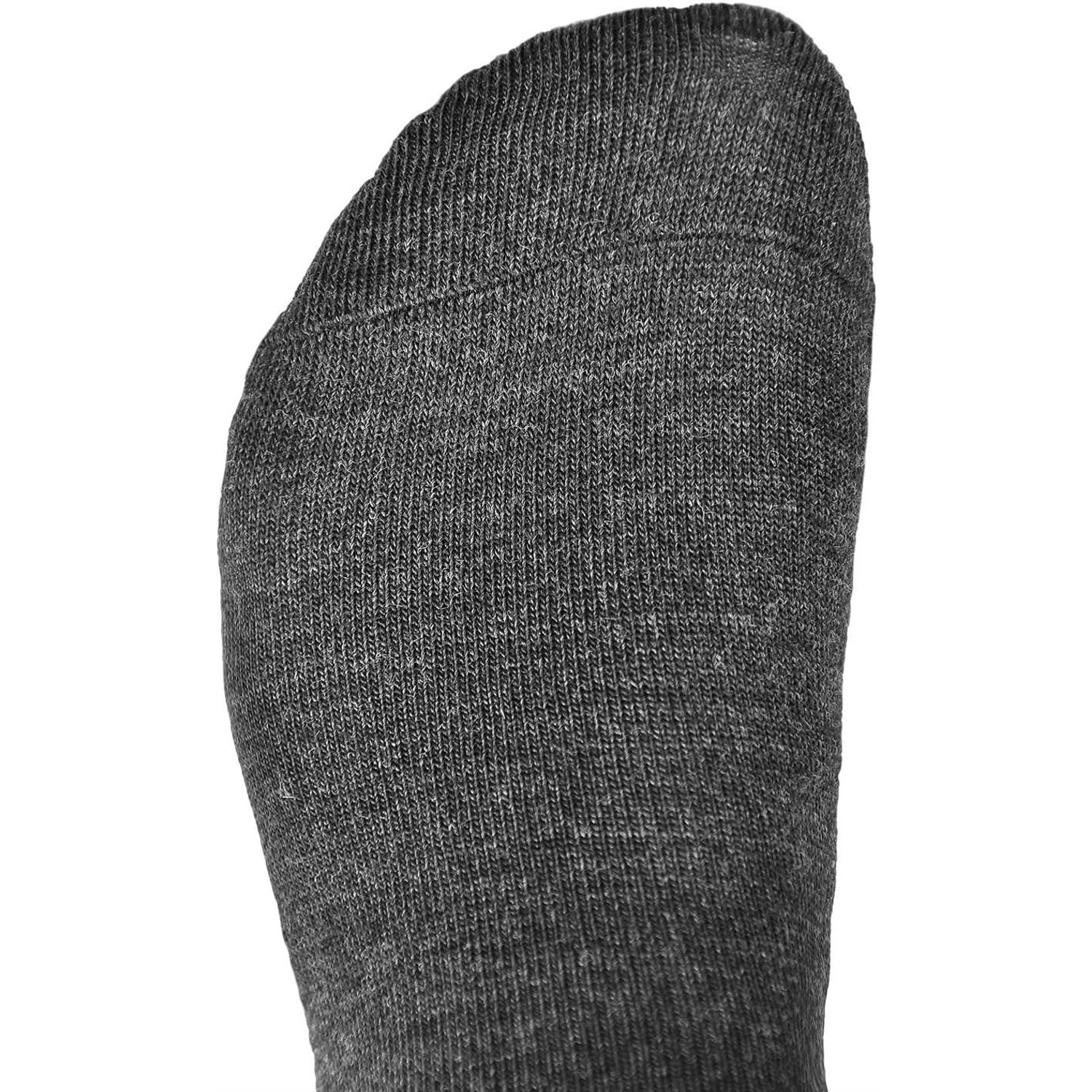
The toe seam is flat and hand-linked. The skin around your toes is thin and sensitive, and a raised seam ridge sitting across it will rub, especially in a snug shoe. Flattening that seam removes one of the most common sources of sock irritation. If you have ever finished a long day with a sore spot on top of your toes, this is the detail to look for when shopping.
Reinforced stress zones round it out. The heel and toe take the most abuse, so extra knit density there buys you more wears before a hole appears.
Matching the sock to how you will actually use it
This is where people go wrong most often. A sock has a weight class, and buying outside it leads to disappointment.
These are moderately thick. The maker is clear about what that means in practice: good for everyday wear in regular shoes during the mild cold of late autumn and winter. They are not intended for stiff leather boots, mountain hiking or very cold frosty weather.
Take that at face value. If you spend your weekends on a trail in a rigid boot, you need a heavy cushioned hiking sock with a thicker terry loop underfoot. If you live somewhere that drops well below freezing and you stand outside in it, you need a thermal weight sock. Putting a mid-weight sock into either of those jobs will leave you cold and probably blistered.
Where this weight shines is the ordinary stuff. Commuting. Office days. Walking the dog on a grey afternoon. Wearing something warmer than cotton without having to size up your shoes. For that, a mid-weight merino is close to ideal.
Getting the size right
Sock sizing usually tracks shoe size, and you should buy to your actual size rather than going up for comfort. A sock that is too big wrinkles under your foot, and those wrinkles are what create friction and blisters. A sock that is too small pulls the toe seam tight across your toes and stretches the knit thin, which shortens its life.
If you are between sizes, think about the shoes you will wear them in most. A snug shoe argues for the smaller size. A roomier boot or trainer gives you more leeway.
Caring for them so they last
Wool care sounds fussier than it is. Three rules cover almost everything.
Wash inside out. This protects the outer surface of the knit from abrasion in the drum and helps clean the side that actually touches your skin.
Keep the heat low. Heat plus agitation is what shrinks and felts wool. A cool gentle cycle, ideally a wool or delicates programme, is all that is needed. Do not bleach and do not iron.
Skip the dryer and skip the fabric softener. Lay the socks flat or hang them to dry, reshaping them first. Softener leaves a coating on wool fibres that reduces the breathability you paid for in the first place. A proper wool detergent is a small expense that makes a real difference over a few seasons.
Rotating between the three pairs rather than reaching for the same one repeatedly also helps. Fibres recover between wears, and spreading the wear across the set means all three last longer.
The short version
If your feet get cold and clammy in normal shoes through autumn and winter, a mid-weight merino sock is usually the answer. This set gives you three pairs in an 80% merino blend, with the nylon and elastane doing the work of keeping the sock durable and in shape. The Y-heel, flat toe seam and soft cuff are the details that make the difference between a sock you tolerate and one you forget you are wearing.
Just be honest about the use case. These are for everyday shoes in mild cold, not for boots, hiking or hard frost. Buy them for that and they will earn their place in the drawer.