
The complete guide
How To Choose A Wool Throw That You Will Actually Use
The cold hour nobody plans for
There is a stretch of most evenings, usually between the last cup of tea and the moment you decide to go to bed, when the room quietly gets colder. Turning the heating back on for twenty minutes feels wasteful. Putting on another jumper means getting up. So you sit there, slightly cold, scrolling, and wondering why the lounge never feels as comfortable as it looks.
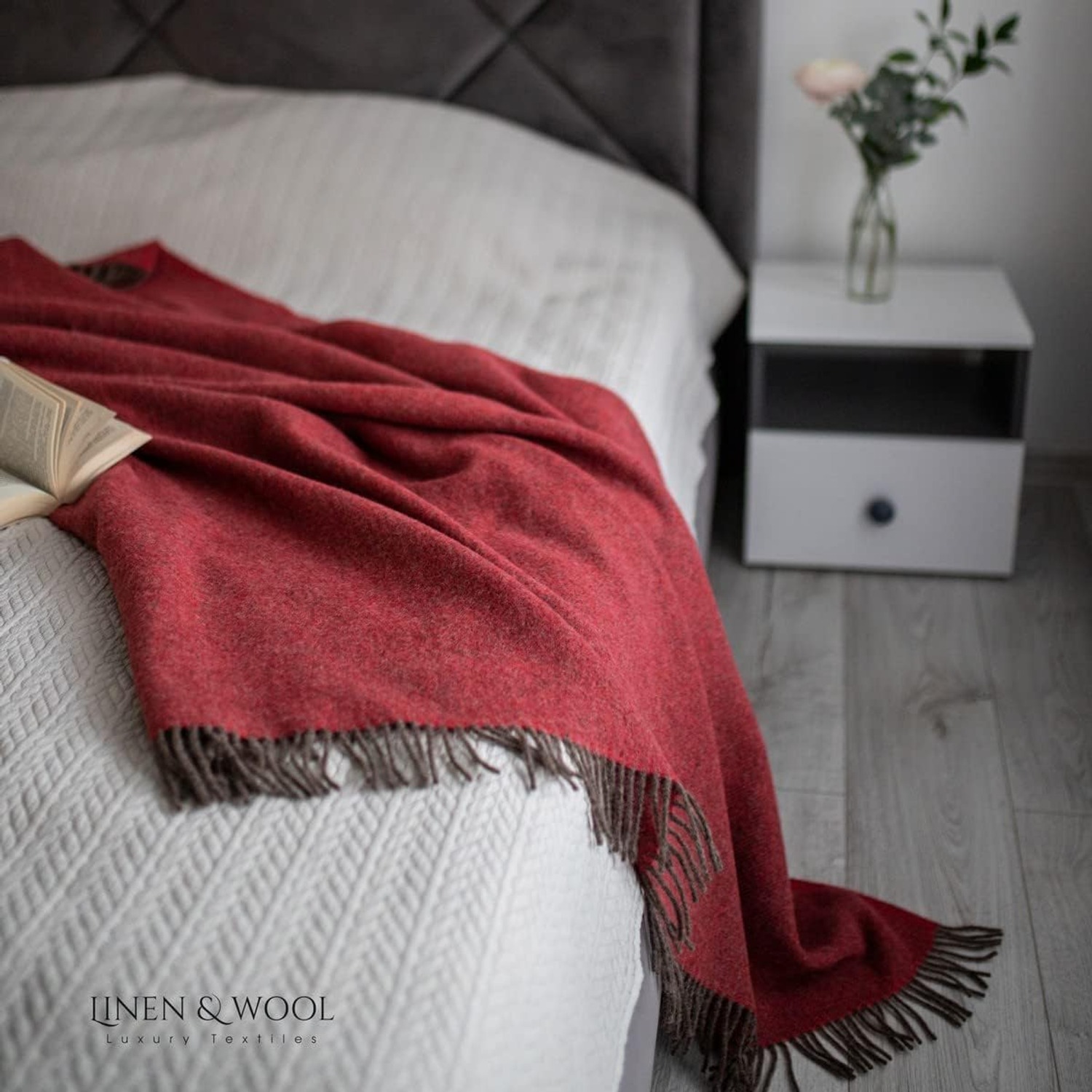
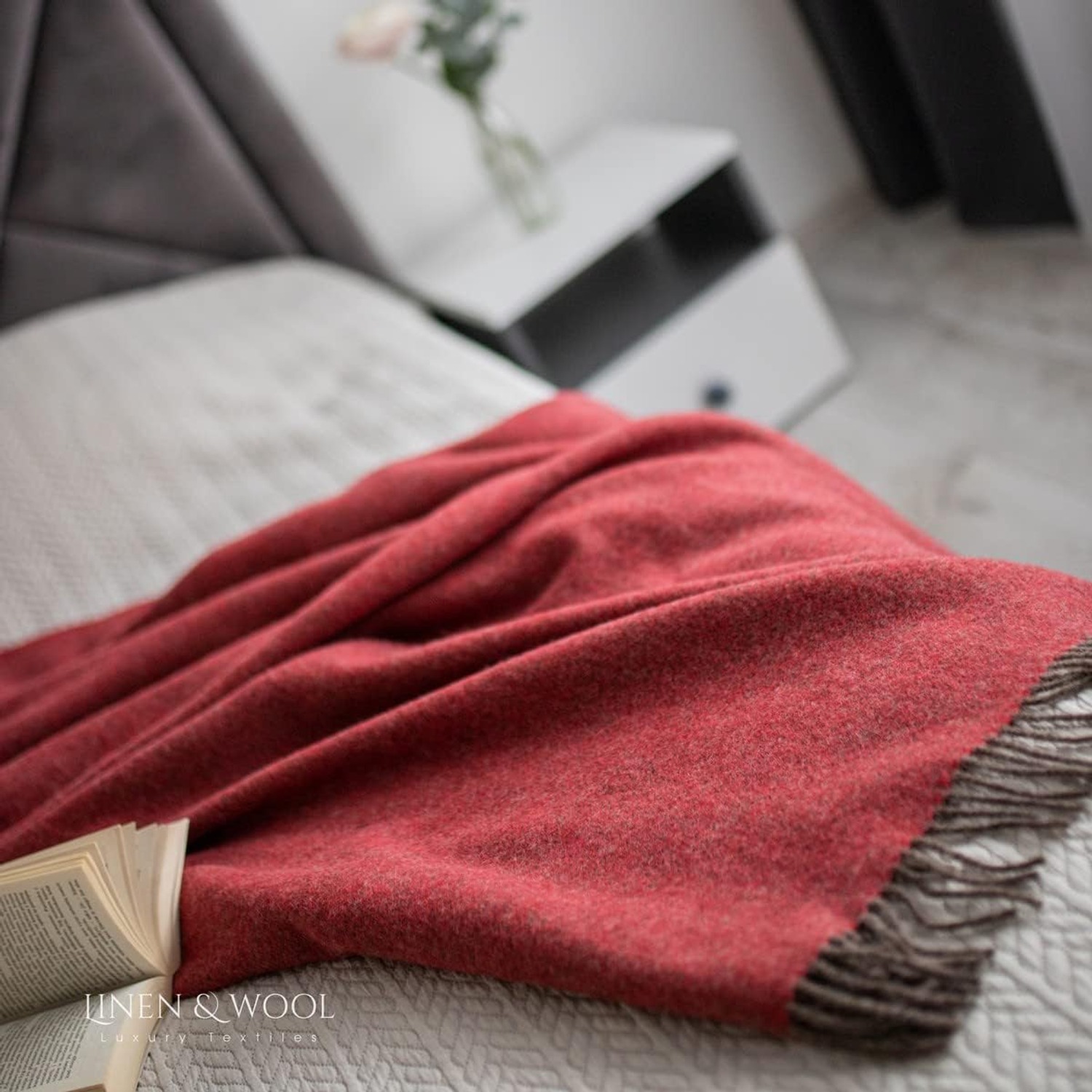
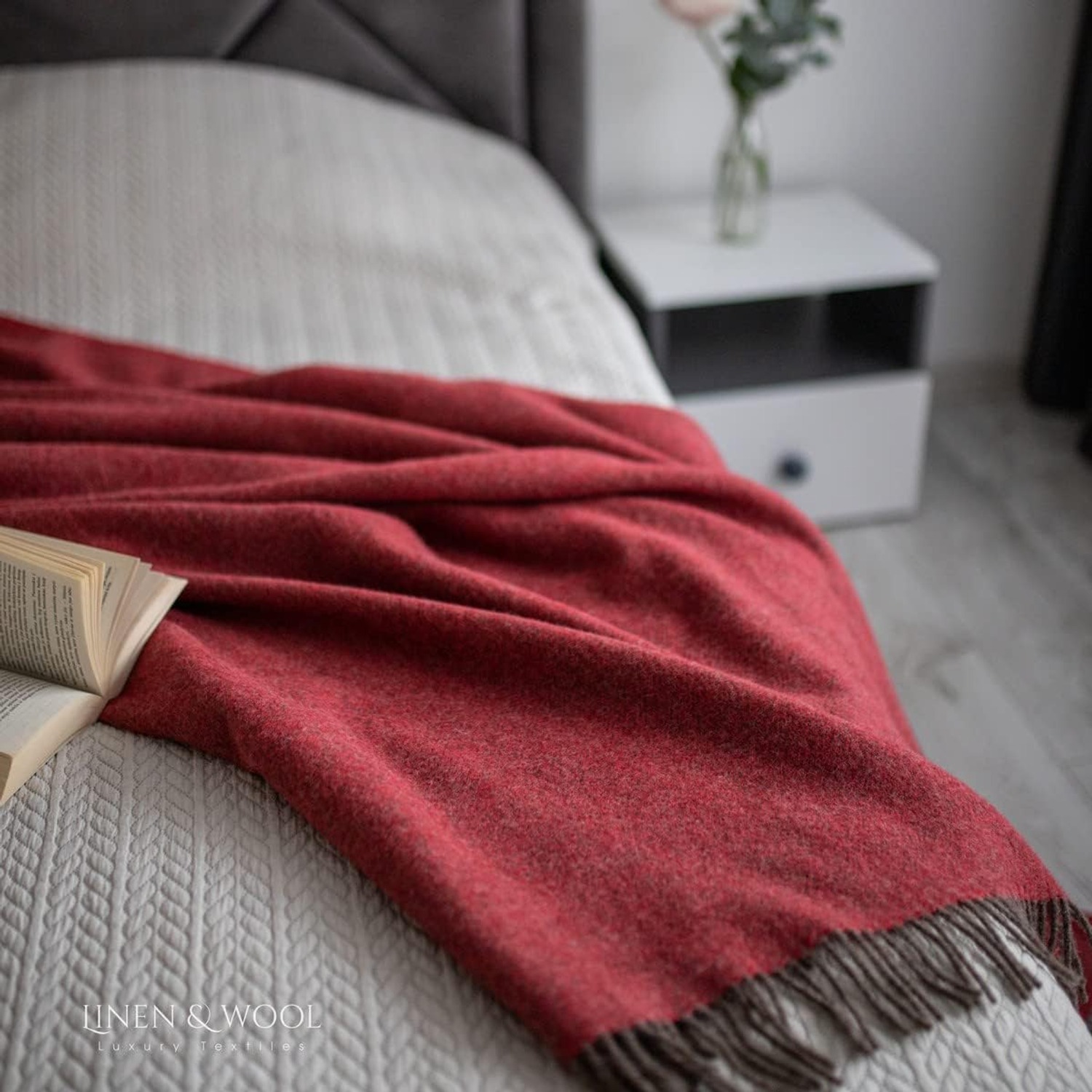
A good wool throw solves that hour. Not dramatically, just completely. You pull it over your legs, and the problem goes away without touching the thermostat. That is the whole job, and a 140 x 200 cm New Zealand wool blanket does it better than almost anything else of similar size, because wool is very good at the one thing you need from a blanket.
Why wool warms the way it does
Wool fibres are naturally crimped, like tiny springs. When they are spun and woven together, those crimps hold pockets of still air inside the fabric. Still air is a poor conductor of heat, which is exactly what you want, because it stops your body heat drifting off into the room. The blanket is not generating warmth. It is stopping yours from leaving.
The second half of the story is moisture. Your body gives off water vapour constantly, even when you feel perfectly dry. Wool fibres can absorb a surprising amount of that vapour into the fibre core and release it to the air, which keeps the layer next to you from turning damp. This is the reason a pure wool sofa blanket feels pleasant for two hours straight, while a thick synthetic throw of the same warmth can start to feel sticky after forty minutes.
It also explains why wool holds up outdoors. On a chilly morning by a tent or on a deck chair, a wool throw still insulates even when the air is damp. Natural fibre blankets have been doing this job on boats, in shepherds' huts and in cold houses for centuries, long before anyone thought to engineer a fleece.
The size question, answered honestly
Throw sizes are confusing because the word "throw" covers everything from a small chair cover to something close to a bedspread. 140 x 200 cm is one of the more useful dimensions, and it is worth picturing what that means in your home.
Two hundred centimetres is two metres long. Most adults are shorter than that, so when you stretch out on the sofa, one blanket covers you from shoulders to feet with a bit to tuck in. That sounds obvious, but plenty of throws are 130 or 150 cm long and leave your feet out in the cold, which defeats the point.
One hundred and forty centimetres across is roughly single bed width. Laid over a two-seater, it covers the seat cushions and drops over the front edge. Over an armchair, it drapes with plenty to spare. On a double or queen bed, it works across the foot of the bed as a layer you pull up when the night turns cold, rather than as the main cover.
If you want one blanket for the sofa and the bed end, this size is the sweet spot. If you want full coverage on a king bed, you need something larger, and that is worth knowing before you order rather than after.
Who this suits
People who feel the cold before everyone else in the house get the most out of it. If you are the one asking for the heating while the rest of the family is fine, a personal throw is a cheaper and less contentious fix than a thermostat argument.
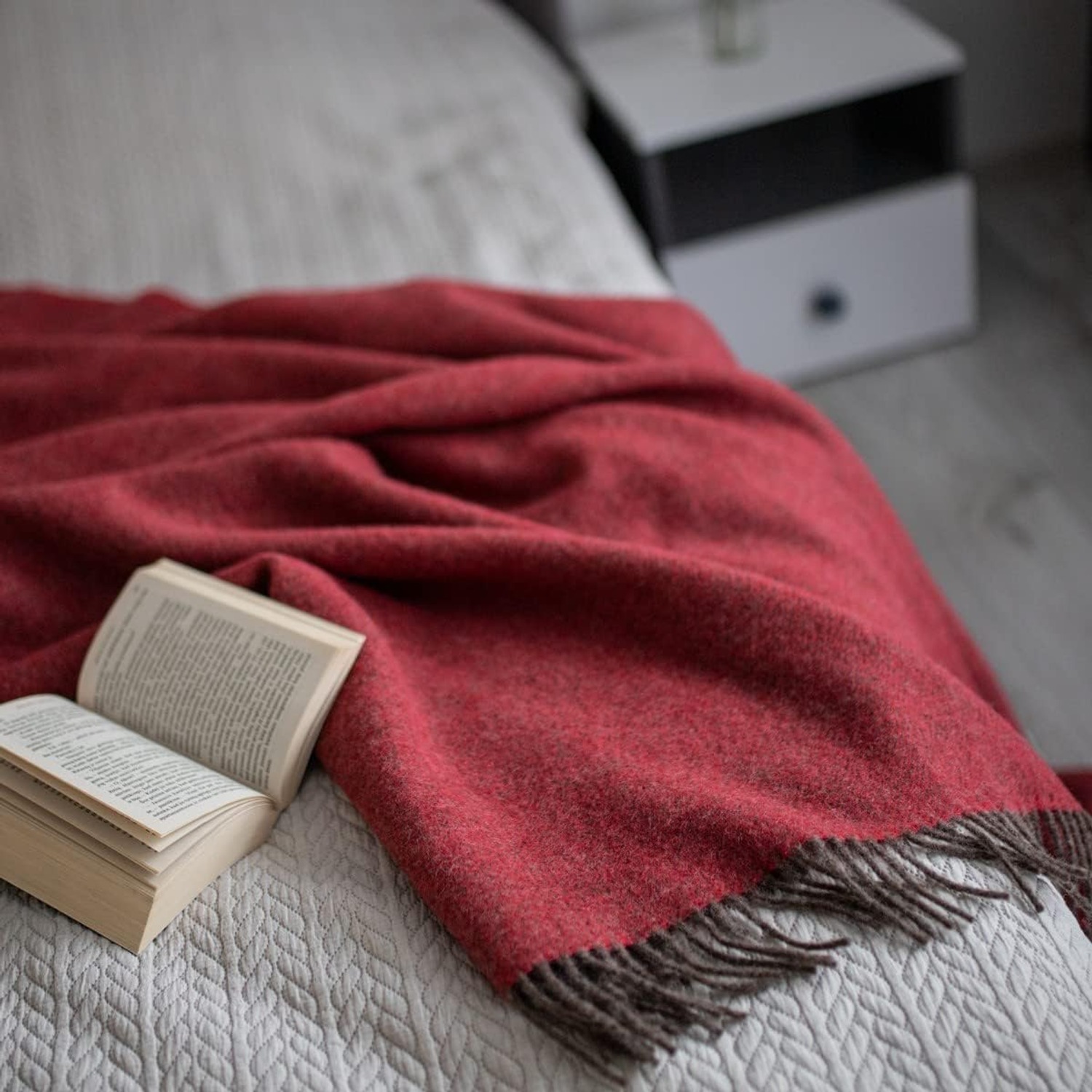
It suits readers and anyone with a favourite chair. A fringed wool throw over an armchair looks like it belongs there, and it means the chair is always ready to sit in.
It suits campers and van travellers. A wool blanket for camping trips is one of those items people keep for decades, because it handles damp air, airs out instead of needing washing, and does not melt near a fire the way synthetics can.
It suits people buying presents. A plain wool throw is one of the few gifts where you are not guessing at taste, size or colour scheme. A wool blanket housewarming gift gets unwrapped, used that night, and still used years later.
And it suits anyone trying to use less heating. Warming the person instead of the room is far more efficient, and a throw is the simplest version of that idea.
How to choose between wool throws
Start with fibre content. "Wool blend" can mean anything from mostly wool to mostly acrylic with a token percentage of wool for the label. This blanket is listed as 100% New Zealand wool, which means the behaviour you read about above is the behaviour you get. Blends tend to lose breathability in proportion to how much synthetic they contain.
Then think about weight and drape. A heavier weave feels substantial and stays put on your lap; a lighter one packs smaller and travels better. Think about where the blanket will spend most of its life and choose accordingly.
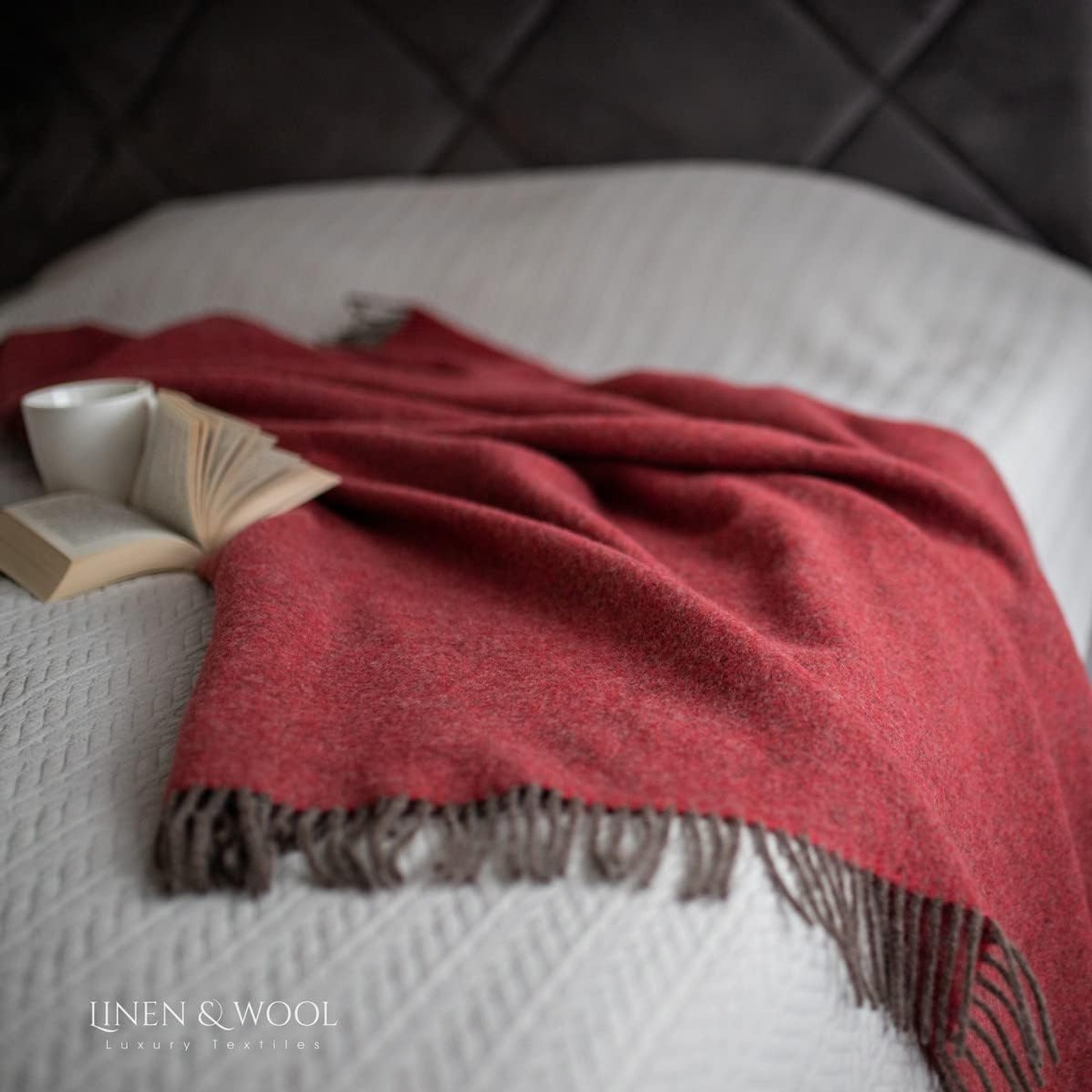
Look at the edge finish next. Fringed ends are the traditional finish for a woven wool throw, and they give it a relaxed look. They also need a bit of care, since fringes are the first thing to tangle in a washing machine or get chewed by a curious dog. Bound or hemmed edges are tidier but less characterful.
Finally, be realistic about texture. Wool varies, and softness depends on fibre fineness, which is not stated in this record. If you are very sensitive to wool against bare skin, plan to use the throw over clothing or over a sheet, which is how most people use one anyway.
Looking after it properly
The good news about wool is that it asks for less, not more. It resists odour, releases dirt from the surface rather than holding it deep in the fibre, and does not need the weekly wash cycle that cotton bedding does.
Dry cleaning is the recommended route for this blanket and is the safest option for the fringes. If you prefer to handle it at home, wash by hand in cool water or use a wool program with a wool-specific detergent. The things to avoid are heat, agitation and wringing, because all three cause wool fibres to lock together and shrink. Squeeze water out gently, reshape the blanket, and dry it flat.
Between washes, airing does most of the work. Hang it outside on a dry, breezy day for a few hours and it comes back fresh. Comb the fringes straight with your fingers while they are still slightly damp and they will hang properly.
For storage, make sure it is completely dry, fold it loosely, and keep it somewhere cool and dark that still breathes. Sealed plastic traps moisture, which is bad for wool. Moths go for wool that has been put away dirty, so a clean blanket is a protected blanket.
A few small things that make a difference
Shake it out every week or so. It fluffs the fibres back up and keeps the loft that makes it warm.
Give it a dedicated home, like the arm of the sofa or a basket beside the chair. Throws that live in a cupboard get forgotten.
Do not iron it. If it looks creased from folding, hang it for a day and the creases drop out.
If a thread pulls, do not cut it. Ease it back into the weave with a blunt needle, and the surface closes up again.
The short version
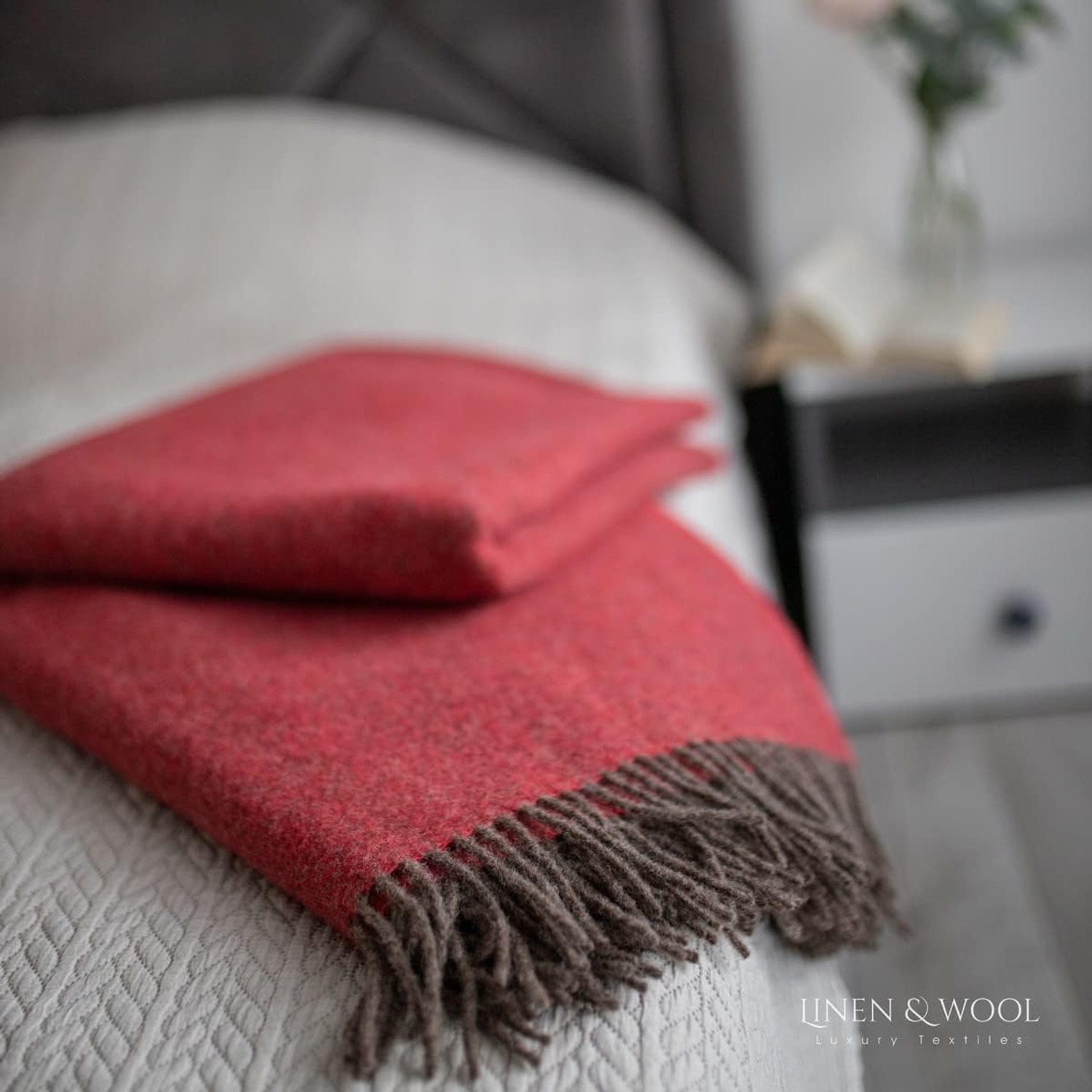
A 140 x 200 cm New Zealand wool blanket is a simple object that works hard. Wool traps air to keep you warm and moves moisture away so you do not overheat, which is why it beats most synthetic throws over a long evening. The size is long enough to cover an adult properly and wide enough to span a sofa seat or the foot of a bed.
Care for it like wool, which mostly means airing it and washing it rarely, and it will keep doing this job for years. If you are stuck between sizes or rooms, tell us what you want to cover and we will help you pick.