
The complete guide
Choosing a Stonewashed Linen Cushion Cover - A Practical Buyer's Guide
The problem with most cushion covers
Walk into a bedroom shop and most of the cushion covers you pick up have the same issue. They feel lovely in your hand for about a week, then the surface goes slightly flat and papery, or the zip starts catching, or the print fades on one side where the sun hits.
A lot of that comes down to fibre choice. Blends and synthetics look good on a shelf because they are finished with softeners and coatings, but those finishes wash out. What is underneath is usually a thin, tightly spun fabric that has nowhere to go but downhill.
Linen works the other way around. It is honest about what it is from day one, and then it quietly gets better. A stonewashed linen cushion cover skips the awkward stiff phase altogether, because the fabric has already been tumbled soft before it ever reaches you.
What stonewashing actually does
Raw linen straight off the loom is firm. It has a crispness that some people love and plenty of others find off-putting, especially on something your face touches. Historically you just lived with it and waited a year or two for the fabric to break in.
Stonewashing speeds that up. The woven cloth is tumbled with abrasive media, which relaxes the fibres and knocks the starchy stiffness out of the weave. What comes out the other side has a soft hand, a gently uneven surface, and the slightly rumpled drape people associate with good linen.
It is worth being clear that this is a finish, not a different material. You still get 100% pure flax fibre underneath, with all its strength and breathability intact. The stonewash just moves the timeline forward.
Why 180gsm matters more than you think
Fabric weight is the spec most shoppers skip, and it is probably the one that predicts how happy you will be. This cover is woven at 180 g/m².
Lighter linens, somewhere around 110 to 140gsm, are lovely for summer sheeting but can look stretched and underfed once pulled over a plump cushion insert. You see the insert's shape through the cloth and the corners go slack.
Heavier linens, pushing past 230gsm, hold a very architectural square shape. That is great for a formal living room and less great for a cushion you actually lean against in bed, where it can feel boardy.
At 180gsm you land in between. The cover covers the insert properly, keeps clean corners, drapes rather than stands to attention, and still softens with every wash. For a cushion that does double duty as back support and decoration, that middle weight is the sweet spot.
The case for an envelope back
The back of this cover is two overlapping panels of fabric. Push the insert through the gap, smooth it out, done.
People sometimes assume a zip is the premium option. In practice, a zip is the part most likely to fail on a cushion cover. It catches on sheets, the slider wanders off the track, and the hard teeth press through the fabric if you rest your head near the back.
An envelope closure has no moving parts. Nothing to break, nothing to scratch, nothing to replace. It also makes wash day genuinely faster, which matters if you are stripping a whole bed.
The one trade-off is that an envelope back is slightly less secure under rough handling. For a cushion that lives on a bed, a sofa or a reading chair, that is a non-issue. If it were destined for a trampoline-adjacent playroom, you might feel differently.
Who this suits
Warm sleepers get the most obvious benefit. Linen moves air through the weave and releases moisture rather than holding it against your skin. On a warm night, the difference between a linen cover and a polyester one is not subtle.
People who prefer natural fibres in the bedroom are the second group. This is a single-fibre product with no blends and no coatings. The supplier notes it is suitable for allergy sufferers, which reflects the fact that pure linen does not shed synthetic microfibres and dries quickly enough to stay fresh.
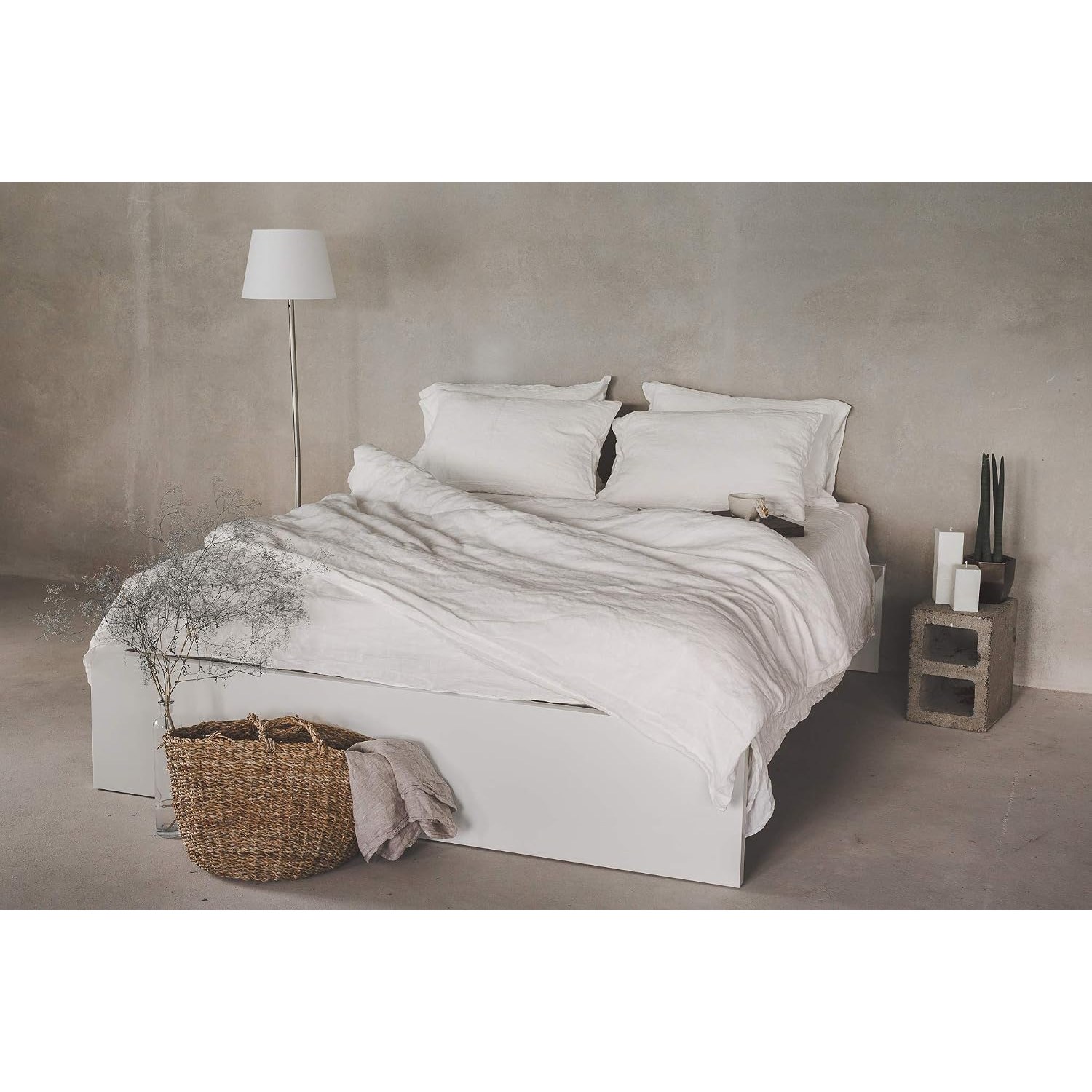
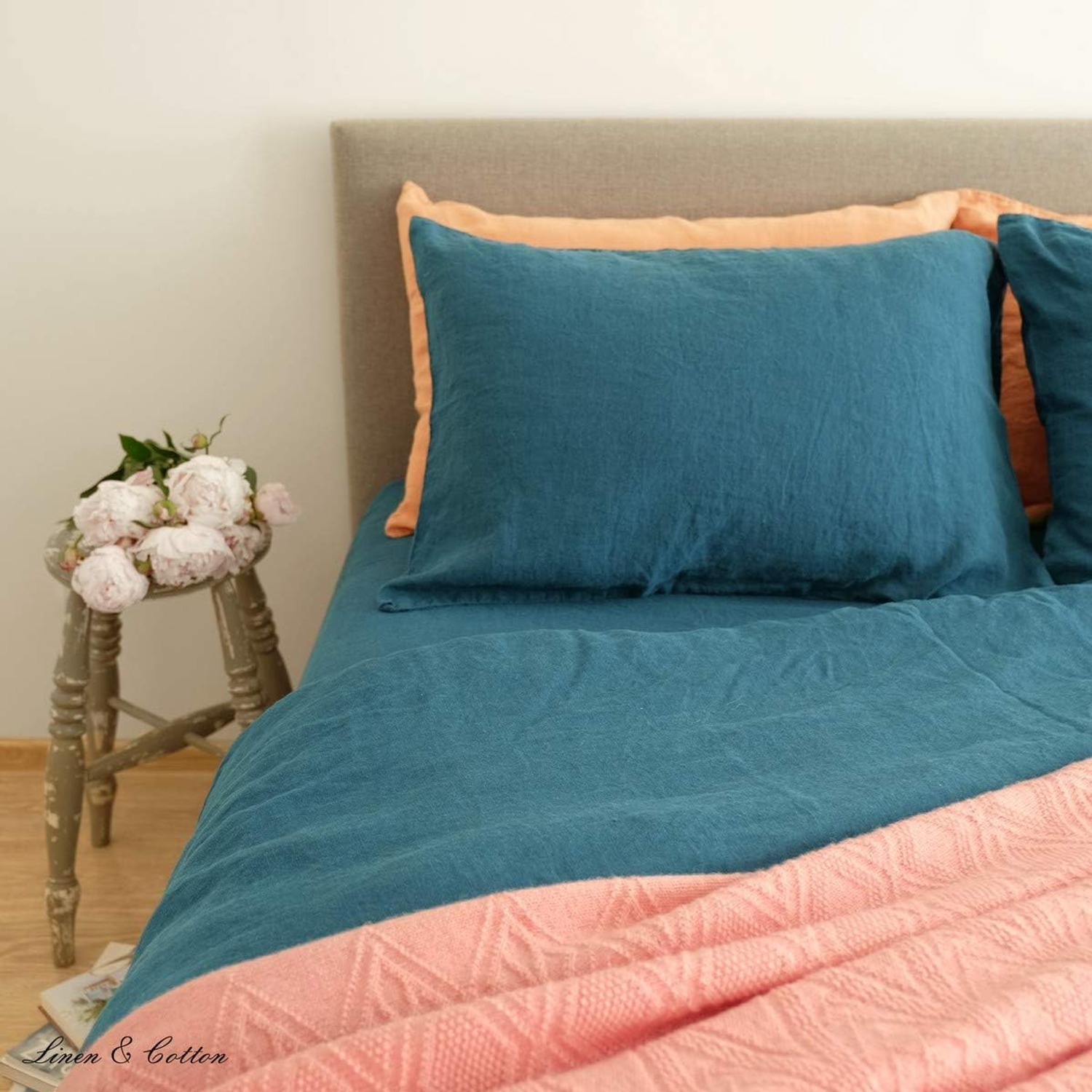
Then there is the aesthetic crowd. If you like a relaxed, slightly undone bed rather than a hotel-crisp one, stonewashed linen does that look without any effort on your part. It creases, and the creases are the point.
Who might it not suit? Anyone who wants a perfectly smooth, pressed surface at all times. You can iron linen, but if you resent ironing, pick a cotton sateen instead and be happier.
Sizing, shrinkage and the 3 cm note
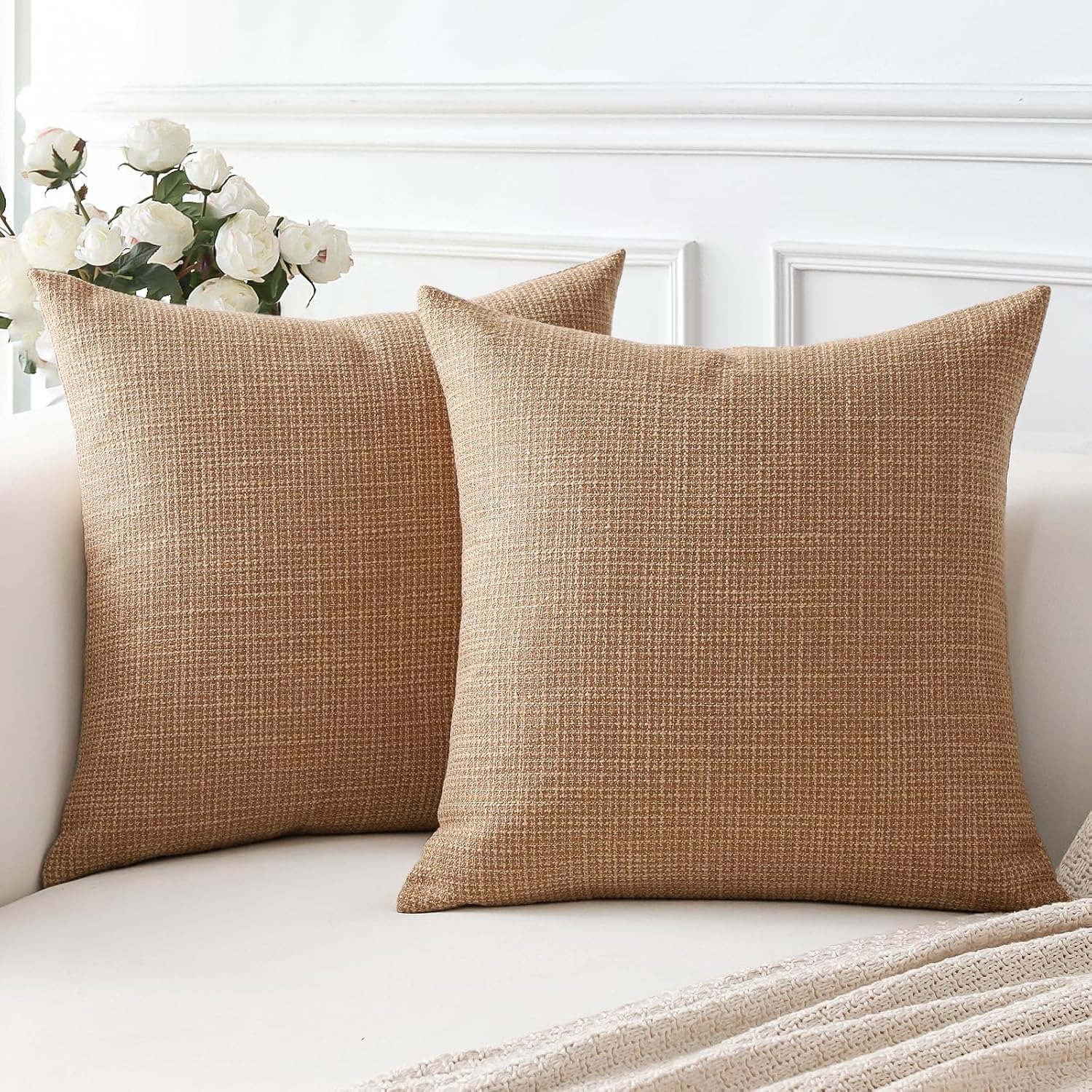
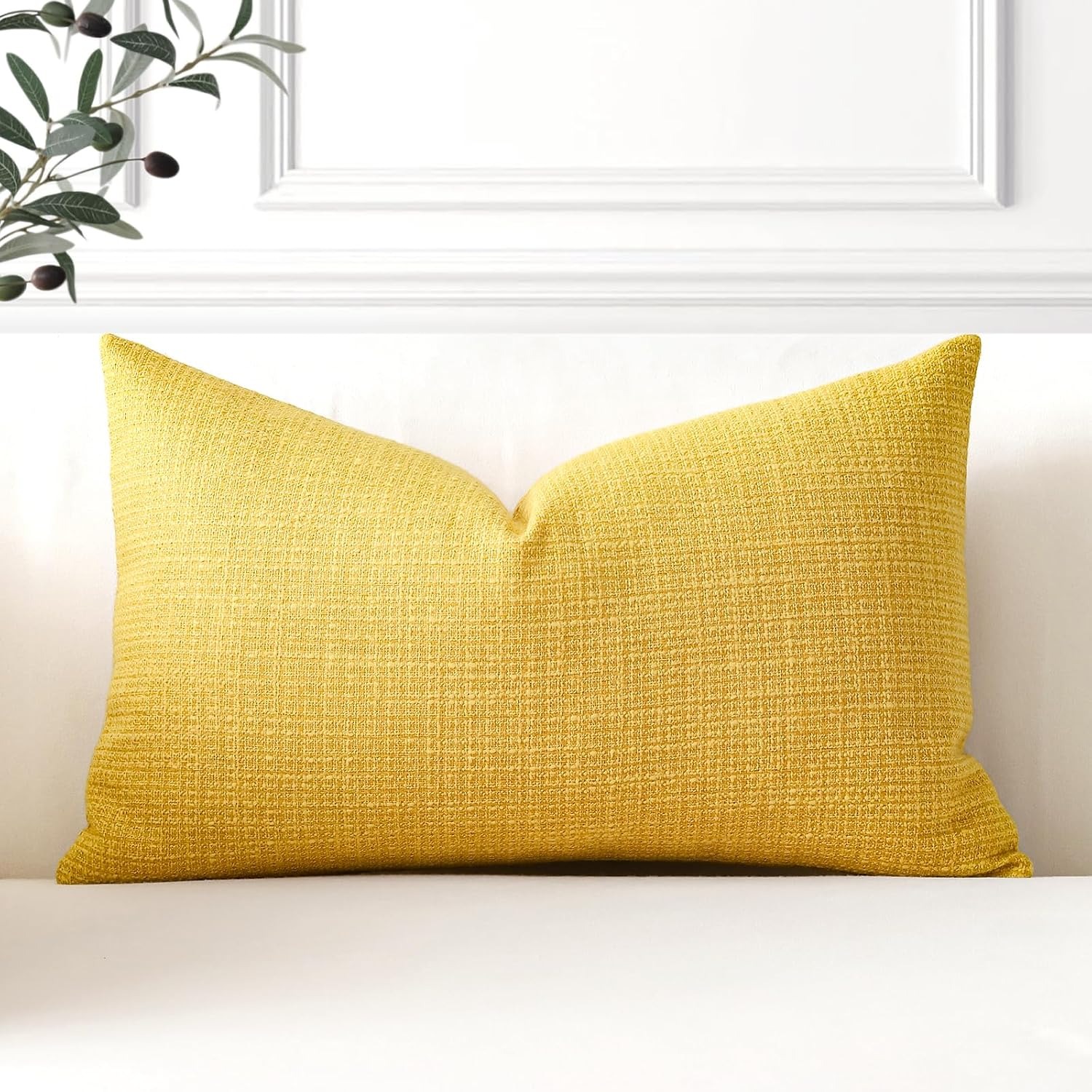
The cover is 80 x 80 cm, the standard European square. That size is a workhorse. On a bed it stands behind your sleeping pillows for reading support. On a deep sofa it fills out the back line properly where a 45 cm cushion looks lost. In a wide armchair, one of these is better than two small ones.
The listing notes the cover can measure up to around 3 cm larger than stated when new. This is deliberate, not a defect. Pure linen shrinks a little during its first washes, so the cut allows for it. Expect it to settle closer to the nominal size after a couple of cycles.
For inserts, an 80 x 80 cm fill is the straightforward match. If you want a fuller, more plumped look, some people size up slightly, but remember the cover will tighten once washed. Start with the matching size unless you have a strong preference.
No insert is included, which is standard for linen covers at this level. It also lets you choose your own fill. Feather and down gives the softest slouch, a down alternative is easier to wash and friendlier to allergies, and a foam core holds the most structure if you want genuine back support.
Looking after it
Linen is forgiving, but a few habits make it last.
Wash warm or cool on a gentle cycle with a mild detergent. Keep it separate from heavy items like towels and jeans for the first few washes. Skip bleach entirely, because chlorine weakens flax fibres and can leave uneven patches. Skip fabric softener too, which coats the fibre and works against the natural softening linen does on its own.
Tumble dry on low if you want it quickly, and pull it out slightly damp to keep the creases soft. Line drying in the shade is gentler and keeps the colour even. High heat is the main thing that accelerates shrinkage, so avoid it.
If you want a smoother look, iron on a warm setting while the fabric is still a bit damp. Most people skip this. The texture is doing useful work.
For spot stains, act fast with cool water and a dab of mild detergent, working inward from the edge of the mark. An oxygen-based stain treatment is a safe fallback for stubborn spots.
The short version
This is a 100% pure linen cushion cover, stonewashed so it arrives soft, woven at 180 g/m² so it holds its shape, finished at 80 x 80 cm, and closed with an envelope back so there is nothing to break.
It suits warm rooms, natural-fibre households, and anyone who likes a bed that looks comfortable rather than staged. It will crease, it will soften, and it will shrink a touch on its first few washes before settling.
Buy a matching 80 x 80 cm insert, wash it gently, keep the bleach away, and it should serve you for years.