

The complete guide
How to Choose and Get the Most From a Vanilla Soy Candle
The problem with most candles
Most people buy a candle, light it, and are mildly disappointed. It smells great for the first fifteen minutes and then seems to disappear. Or it burns a narrow hole down the middle and leaves a thick ring of wax stuck to the glass. Or it goes through its advertised burn time in what feels like a fortnight.
None of that is bad luck. It usually comes down to two things, which wax was used and how the candle was burned. Get both right and a single jar can carry you through weeks of evenings.
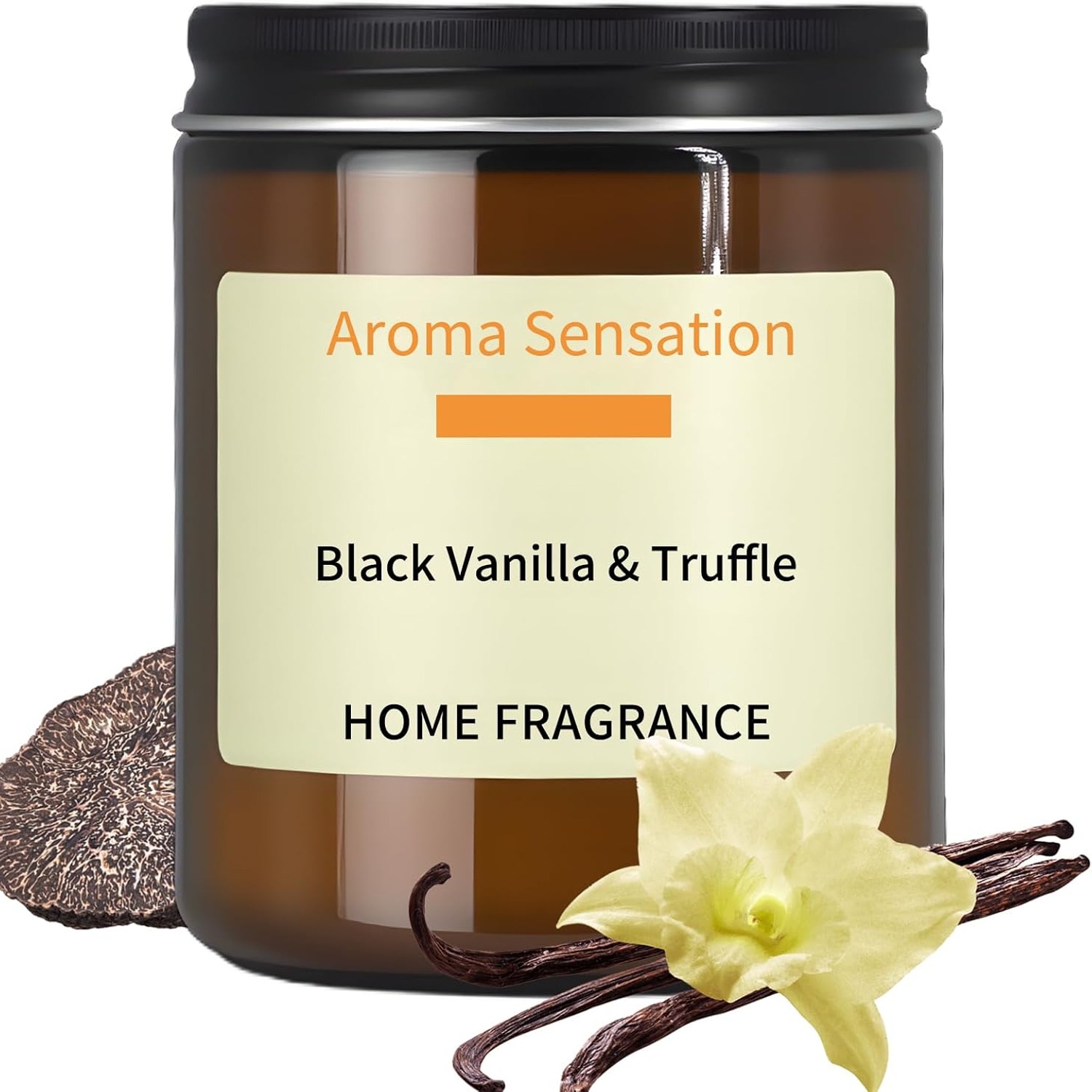
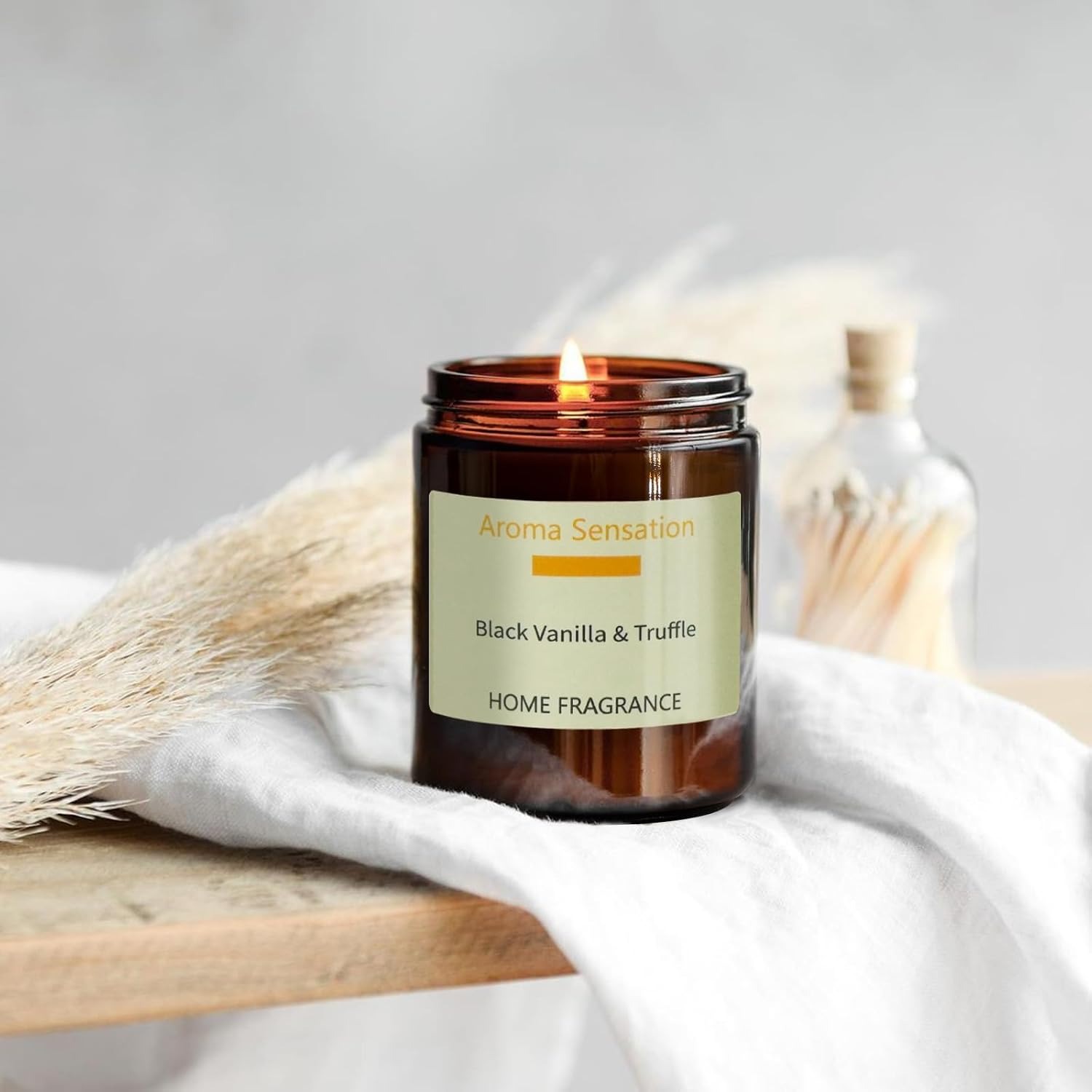
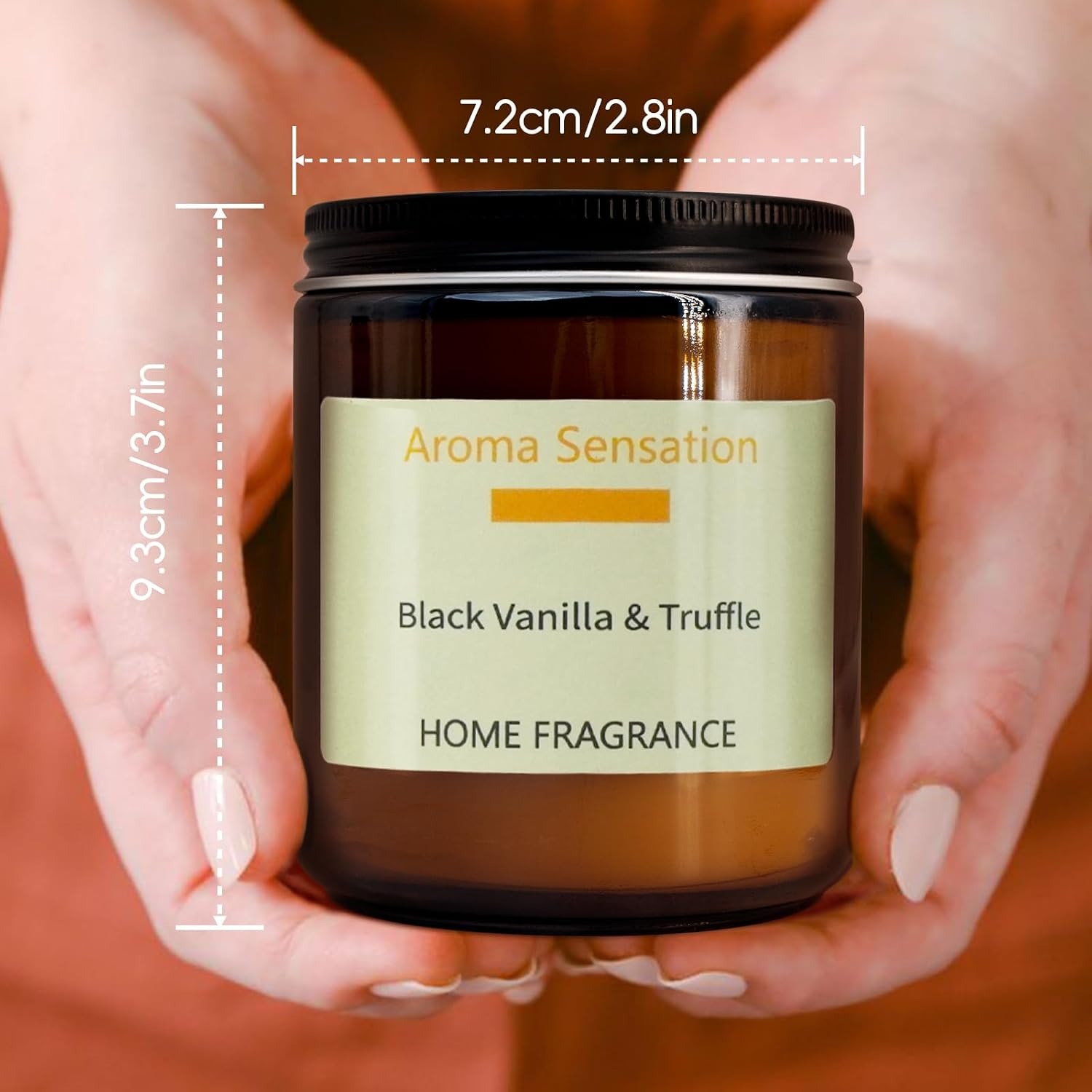
This candle is made from pure soy wax with a lead-free cotton wick, poured into a glass vessel at 200 g (7 oz). The stated burn time is around 40 hours. The scent is vanilla with truffle notes, which is to say warm and creamy with a soft caramel edge rather than a sweet-shop vanilla.
Why soy wax behaves differently
Soy wax comes from soybean oil. It is solid at room temperature but melts at a noticeably lower temperature than paraffin.
That one difference explains most of the practical benefits. A lower melt point means the wax turns liquid sooner and the flame does not need to work as hard, so the candle burns down slower. A 200 g soy pour will generally outlast a paraffin candle of the same weight.
It also changes how the scent behaves. Fragrance is released from the warm wax pool, and because that pool sits at a gentler temperature, the scent comes out steadily rather than all at once. You get less of the "wow" in the first ten minutes and more of a consistent, room-filling warmth for the whole session. For a comfort scent like vanilla, that is exactly what you want.
There is a cleaning benefit too. Soy wax washes out of a glass with warm soapy water far more easily than paraffin, which is handy when you want to keep the jar.
What vanilla actually does in a room
Vanilla is the most widely liked fragrance in home scent for a reason. It reads as warm, sweet and familiar to almost everyone. It does not have the sharpness of citrus or the polarising edge of florals and heavy woods.
Here, the vanilla is backed by truffle, which adds a little depth and keeps it from being flat or sugary. Underneath there are soft caramel and custard notes. The overall impression is closer to baking than to perfume.
That matters when you are picking a candle for a shared space. A strong floral or a smoky wood can divide a household. A good vanilla rarely does. It is also why vanilla tends to be the safest choice when you are buying the best scented candle for a birthday gift and you do not know the person's taste well.
Who this suits
If you want a candle for the evening, this fits. It is the kind of scent that works when you are reading, cooking, having a bath or sitting down after a long day.
It suits small to medium rooms best. A bedroom, a study, a bathroom or a modest lounge will fill comfortably. In a large open-plan space the scent is still there, just softer, and you may want two jars placed apart rather than one working overtime.
It also suits people who want something easy to give. The glass vessel looks finished on a shelf without any styling, and the packaging is presentable straight out of the box. That makes it an uncomplicated choice for Mother's Day, housewarmings, Christmas and thank-you gifts.
Who it does not suit: anyone who wants a scent that hits hard the moment they walk in the door, or anyone who needs fragrance in a very large room. Soy candles are built for a steady, moderate throw.
How to choose a candle that lasts
A few things separate a candle that lasts from one that does not.
Weight, not height. A tall, narrow candle can hold less wax than a short, wide one. Check the net weight. At 200 g, this sits in the useful middle ground, big enough to be worth lighting regularly, small enough to finish before the scent ages.
Wax type. Soy, coconut and beeswax all burn slower than straight paraffin. If a listing does not say what the wax is, that usually tells you something.
Wick material. Cotton wicks burn cleanly and are easy to trim. The lead-free part is now standard in most markets but still worth confirming. Wood wicks look lovely but need more fiddling.
Vessel. A glass jar contains the melt pool properly and can be reused. It also gives you a visual cue, you can see how much wax is left.
Honest burn time. Around 40 hours for a 200 g soy candle is realistic. Be wary of much bigger numbers on much smaller candles.
Getting the full 40 hours
This is the part most people skip, and it is where the burn time is won or lost.
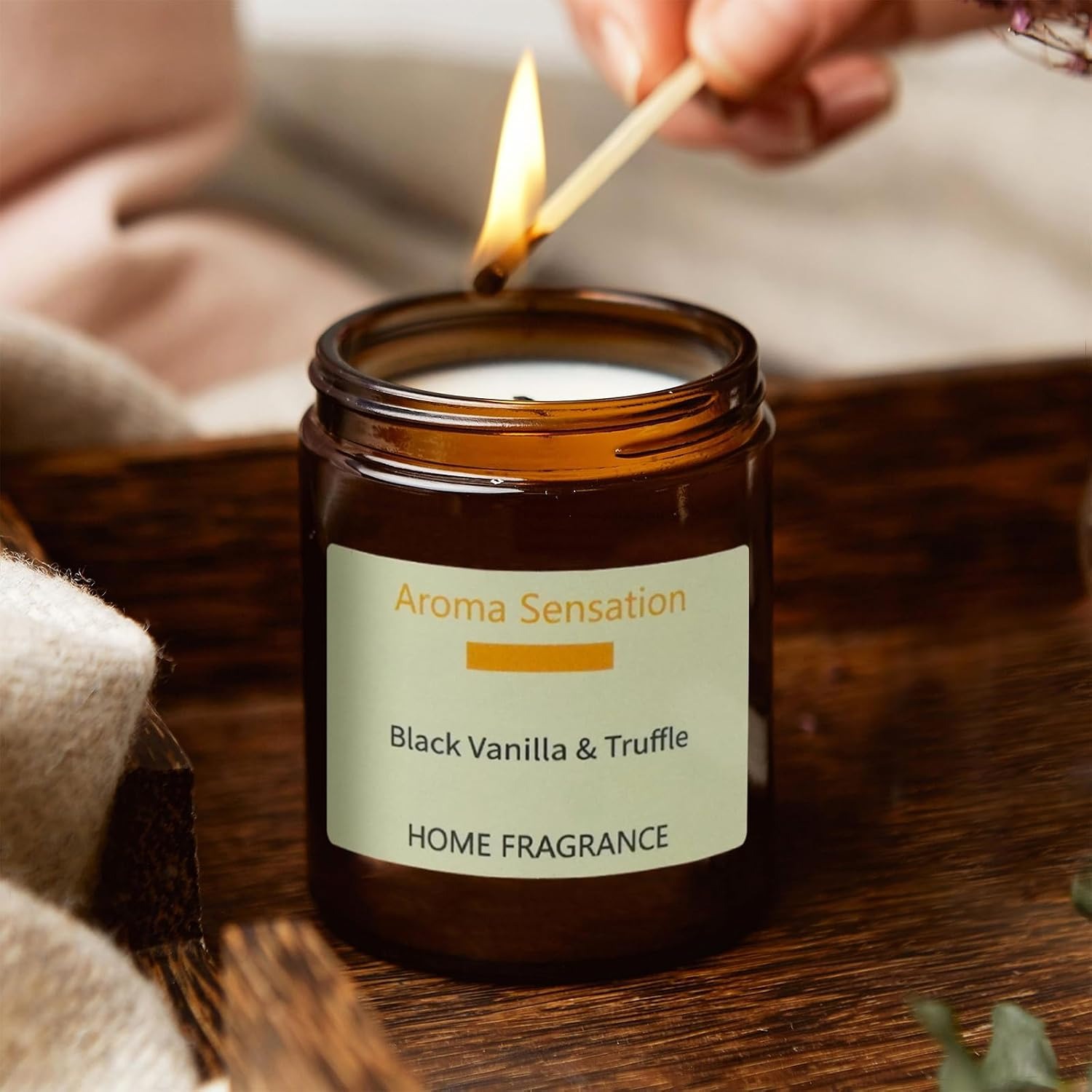
The first burn sets the pattern. Soy wax has a memory. Whatever melt pool you create on the first burn is roughly the pool it will return to every time after. So on that first light, give it two to three hours, long enough for the wax to reach the edge of the glass all the way around. If you blow it out after thirty minutes, you have taught the candle to tunnel.
Trim the wick to 5 mm every time. A long wick makes a tall, restless flame. A tall flame burns more wax per hour, produces soot and blackens the glass. Nail scissors or a quick pinch of the carbon tip is all it takes.
Keep it out of draughts. An open window, a fan, an air conditioner or a doorway will make the flame flicker sideways. That is the main cause of uneven burning and smoke marks. Put the candle somewhere still.
Cap your sessions at about four hours. Past that, the glass gets hot and the flame can grow. Snuff it out, let it cool fully, then relight later. Broken-up sessions are better for the candle and for you.
Stop at roughly 1 cm of wax. Burning right down to the base concentrates heat in the bottom of the glass. Call it finished, and move on to the jar's second life.
Care, safety and the jar afterwards
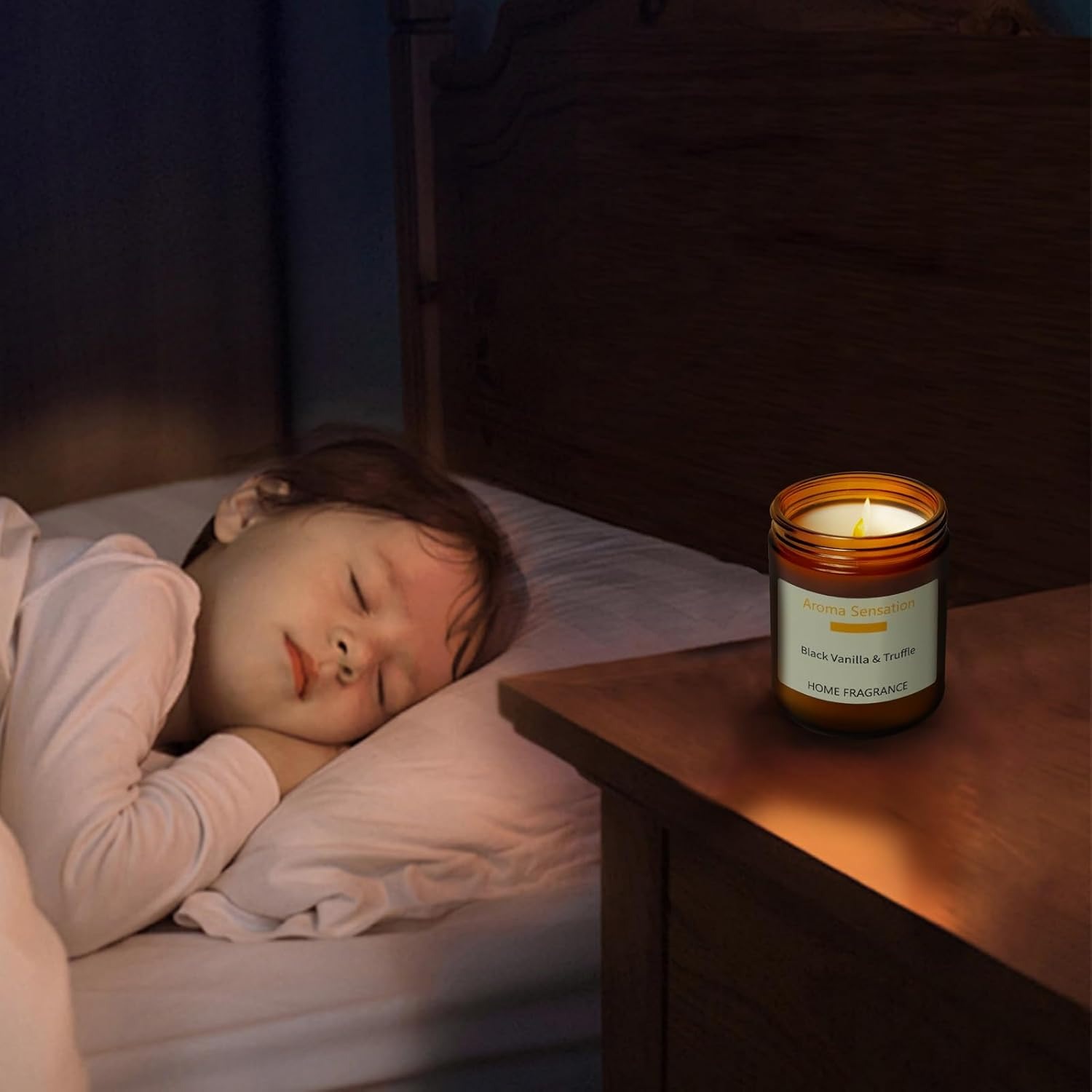
Sensible candle safety is short. Burn it on a flat, heat-safe surface. Keep it clear of curtains, paper, books and anything else that catches. Never leave it burning when you leave the room or go to sleep. Keep it out of reach of children and pets, including off low side tables where a tail can take it out.
Store it somewhere cool and dark between uses. Heat softens the wax surface and direct sunlight can dull the look of it.
When it is done, the glass is worth keeping. Freeze the jar for an hour and the last wax usually lifts straight out, or pour in hot water and let the wax float off once it sets. Wash with warm soapy water, dry it, and you have a small vessel for cotton buds, hair ties, paper clips or a tea light.
The short version
This is a 200 g vanilla soy candle in a glass jar, with a lead-free cotton wick and roughly 40 hours of burn time. The scent is warm and creamy with truffle and caramel notes, which puts it firmly in comfort territory rather than perfume territory.
Soy wax means a slower burn and a steadier scent release than paraffin, and an easier clean-up at the end. The glass is reusable, which is a small thing that most people appreciate once the candle is spent.
Burn it full on the first go, trim the wick before every light, keep it away from draughts, and it will deliver what it says. If you are buying it as a gift, vanilla is about as safe a bet as home fragrance gets.